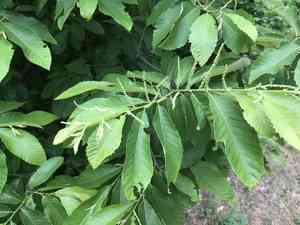
Dwarf Chestnut(Castanea pumila)

Dwarf Chestnut (Castanea pumila)

Also known as: Common Chinquapin, Ozark Chinquapin, Allegheny Chinquapin, Ozark Chinkpin, Common Chinkapin

The Dwarf Chestnut (Castanea pumila), also known as the Allegheny Chinkapin, is a small deciduous shrub or tree native to the southeastern United States. Here are its key attributes and preferred growing conditions:

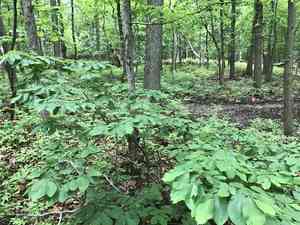
1. **Size**: Reaches a height of 6-20 feet.
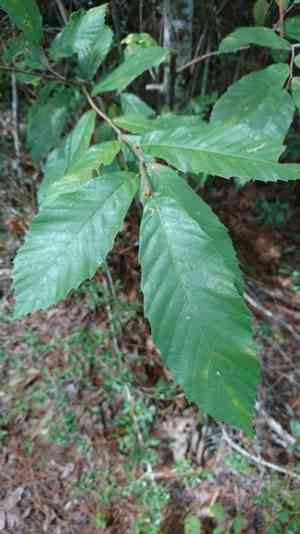
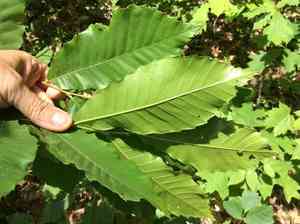
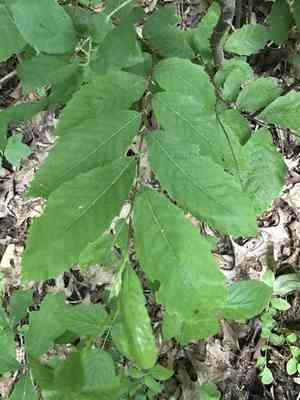
2. **Leaves**: Glossy, serrated, and elliptical, changing to yellow in autumn.
3. **Flowers**: Produces catkins in late spring to early summer.
4. **Fruit**: Bears small, spiny burs containing edible nuts, popular with both humans and wildlife.
5. **Soil**: Thrives in well-drained sandy or loamy soils.
6. **Sunlight**: Prefers full sun to partial shade.
7. **Climate**: Favors regions with hot summers and is hardy in USDA zones 5-9.
8. **Water**: Requires moderate watering; becomes drought-resistant once established.
9. **Pests/Diseases**: Vulnerable to chestnut blight.

The plant provides essential habitat for woodland creatures and needs good air circulation to maintain health.

Attributes of Dwarf Chestnut

Lifespan
Perennial
Plant Type
Tree, Shrub
Plant Height
1.8 m to 4.5 m
Spread
1.8 m to 6 m
Leaf Color
Green
Flower Size
2.5 cm
Flower Color
Yellow White Green

PlantJoy - Identify plants with a snap

Identify and diagnose plants, get toxicity alerts, and explore safety guides for all types of fungi.

Try for Free

Images of Dwarf Chestnut

Dwarf Chestnut(Castanea pumila)

Quickly Identify Dwarf Chestnut

1
Distinct male and female flowers on the same plant, with male flowers emitting a strong odor.
2
Spiny outer bur enclosing glossy, chestnut-brown nuts; a visually captivating fruit for identification.
3
Alternate, oblong leaves with bright yellow-green upper surface and silvery, tomentose lower surface.
4
Initially hairy stem transforming into smooth, shiny brown surface; slender young twigs with reddish-hairy buds.
5
Light brown trunk with reddish-tinged bark breaking into loose, plate-like scales, aiding in mature plant identification.

Scientific Classification of Dwarf Chestnut

Phylum
Vascular plants
Class
Dicotyledons
Order
Fagales
Family
Beech
Genus
Chestnuts
Species
Dwarf Chestnut

Planting and Growing of Dwarf Chestnut

Care Difficulty
Easy
Watering Schedule
Every 3 days
Sunlight Requirements
Full sun
Sunshine Duration
4-8 hours
Ideal Temperature
60-75℉
Soil Type
Potting Mix, Peat Mix
Soil pH
4.5-6.5
Fertilizer Type
Balanced
Pruning Season
Spring, Summer
Pruning Area
Branches, Leaves
Pruning Frequency
2 times a year
Repotting Season
Spring
Pot Type
Ceramic, Plastic

water icon How to Water Dwarf Chestnut?

Castanea pumila, commonly known as the Allegheny chinquapin, requires a balanced approach to watering. You should aim to provide around 500 milliliters per session, ensuring the soil remains moist but not waterlogged. This equates to a deep watering that allows moisture to penetrate the root zone without pooling at the surface.
What are the symptoms of an underwatered Dwarf Chestnut?
What should I do if my Dwarf Chestnut is not getting enough water?
What are the symptoms of an overwatered Dwarf Chestnut?
How to save an overwatered Dwarf Chestnut?

sunlight icon What Are the Sunlight Requirements for Dwarf Chestnut?

Sunlight Requirements: Full sun, Partial sun
Duration of light: 6 to 8 hours
Castanea pumila ideally requires exposure to full and partial sun conditions, approximately 6 to 8 hours daily. This ensures optimal growth, vibrant foliage, and maximizes nut yield, keeping the plant healthy and productive.
What is the ideal amount of sunlight for Castanea pumila?
How can I ensure Castanea pumila receives its ideal light conditions?
What are the benefits of providing Castanea pumila with ideal sunlight?
More About Sunlight Requirements Techniques

temperature icon What Is the Ideal Temperature Range for Dwarf Chestnut?

Ideal Temperature: 60 ~ 75℉
For optimal growth of Castanea pumila, maintaining a temperature range between 60°F and 75°F is crucial. This range ensures the plant has the necessary warmth without excessive heat that can lead to stress or hinder growth. Within this range, the plant can carry out photosynthesis efficiently, promoting healthy development and productivity.

soil icon What Soil is Best for Dwarf Chestnut?

Soil type: Sandy loam, Loam, Acidic soil
Soil PH: 4.5 ~ 6.5
Castanea pumila thrives best in well-drained soil, which helps prevent waterlogged conditions that can lead to root rot. Well-drained soil ensures that the roots have access to oxygen, promoting healthy growth and development. The presence of organic matter in the soil like compost or well-rotted manure is beneficial for Castanea pumila as it enhances nutrient availability. This, in turn, fuels robust foliage production and overall vigor of the plant. While it's crucial for the soil to be well-drained, it should also retain enough moisture to support the plant during dry spells. This balance helps in sustaining growth without the risk of drought stress.

fertilize icon How to Fertilize Dwarf Chestnut?

Fertilizer type: Balanced
For Castanea pumila, it's critical to maintain a balanced approach when it comes to fertilization. Typically, apply about 1 pound of balanced 10-10-10 fertilizer for each year of the tree's age, up to 8 pounds for older trees. Over-application can lead to root damage and should be avoided.

prune icon How to Prune Dwarf Chestnut?

Pruning Time: Spring, Summer, Autumn, Winter
Start by removing dead or damaged branches. These can be identified by their Brownish or black appearance, and lack of flexibility. Removing these branches will help direct the plant's energy to healthier areas. Trim back branches that are crossing or growing inward. This thinning helps improve light penetration and air circulation inside the tree, which is crucial for the overall health and disease prevention of the plant. Trim the plant to maintain a balanced shape. Pruning back long branches to a node encourages bushier growth. Aim for a more rounded form to ensure even growth and aesthetics. More About Pruning Techniques

propagate icon How to Propagate Dwarf Chestnut plant?

Propagate Time: Spring,Late spring,Summer
1
Gather viable seeds from healthy Castanea pumila plants once they have matured. Clean and dry the seeds before storage or immediate use. Ensure seeds are free of disease to increase chances of successful germination.
2
Select healthy shoots from established plants for cuttings. Cut about 6 to 8 inches long, just below a node. Ensure the cut surface is clean and use a rooting hormone to encourage root development.
3
Choose compatible rootstock and scion material. Cut suitable sections and secure them using grafting tape or clips. Ensure proper alignment to facilitate nutrient transfer and wound healing.
More About Propagating Techniques

repot icon How to Repot Dwarf Chestnut plant?

Repotting frequency: Every 2-3 years
1
Repot your Castanea pumila when you notice growth stagnation or roots peeking out of drainage holes. Choose early spring or late autumn, when the plant is less active, to minimize stress during the process.
2
Select a pot that is one size larger than the current one to provide extra space for root expansion. Ensure it has ample drainage holes to prevent water from stagnating, which could lead to root rot.
3
Use an acidic, well-draining soil, ideally a mix of peat, sand, and organic material. This encourages healthy root development and mimics the plant's natural environment, promoting robust growth.

PlantJoy - Identify plants with a snap

Find the best spots for them to optimize their health, simply using your phone.

Try for Free