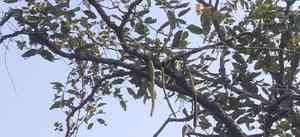
Cassias (Cassia) (Cassia)
Also known as: Senna, Golden shower tree
Cassias encompass many species and serve multiple purposes. They are often cultivated for their attractive flowers and foliage, making them popular in ornamental gardening. Some species are also utilized in reforestation projects and for combating desertification. Additionally, cassias have traditional uses, particularly in culinary and medicinal contexts.
In This Article
Attributes of Cassias (Cassia)
Lifespan
Perennial
Plant Height
10-20 meters (32-65 feet)
Spread
6-10 meters (20-33 feet)
Leaf Color
Green
Flower Size
2-5 centimeters (0.8-2 inches)
Flower Color
Bright Yellow
Images of Cassias (Cassia)
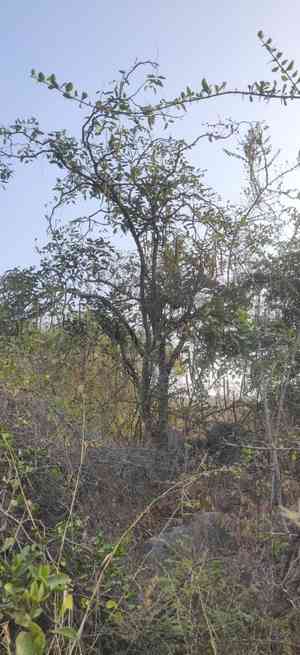
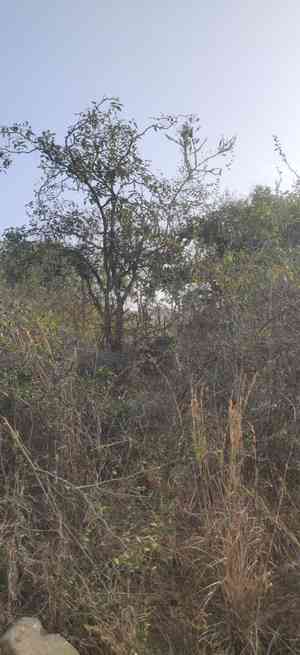
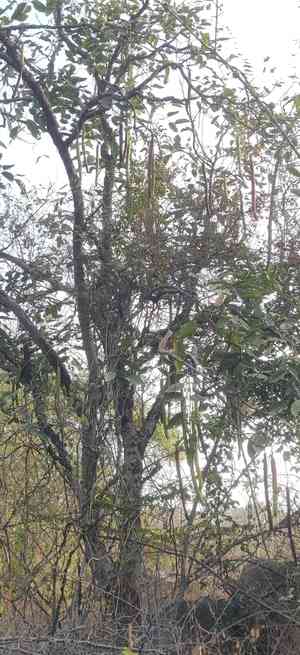
Quickly Identify Cassias (Cassia)
1
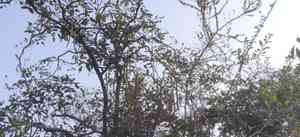
Cassia species can be identified by their pinnate leaves and bright yellow flowers arranged in racemes. Many species also have distinctive legume pods.
Scientific Classification of Cassias (Cassia)
Phylum
Magnoliophyta
Class
Magnoliopsida
Order
Fabales
Family
Fabaceae
Genus
Cassia
Planting and Growing of Cassias (Cassia)
Care Difficulty
Moderate
Watering Schedule
Every 2 days
Sunlight Requirements
Full sun
Sunshine Duration
4-8 hours
Ideal Temperature
65-85℉
Soil Type
Potting Mix, Peat Mix
Soil pH
6-7.5
Fertilizer Type
Balanced
Pruning Season
Spring, Summer
Pruning Area
Branches, Leaves
Pruning Frequency
2 times a year
Repotting Season
Spring
Pot Type
Plastic, Ceramic
 How to Water Cassias (Cassia)?
Cassia plants thrive best when their soil is kept moderately moist. Utilize approximately 500 milliliters of water per session to ensure even moisture throughout the soil. Avoid watering until the soil becomes soggy, as this could lead to root rot.
What are the symptoms of an underwatered Cassias (Cassia)?
›
What should I do if my Cassias (Cassia) is not getting enough water?
›
What are the symptoms of an overwatered Cassias (Cassia)?
›
How to save an overwatered Cassias (Cassia)?
›
 What Are the Sunlight Requirements for Cassias (Cassia)?
Cassia thrives best in full to partial sun, benefiting from a consistent six to eight hours of sunlight. Ideal lighting enhances blooming, foliage vibrancy, and overall health.
How to achieve ideal lighting for Cassia?
›
What specific arrangements can be made?
›
What are the benefits of ideal lighting for Cassia?
›
 What Is the Ideal Temperature Range for Cassias (Cassia)?
The ideal temperature range for Cassia plants lies between 65°F and 85°F. Maintaining these conditions ensures optimal growth, encouraging blooming and overall vitality. Temperatures within this range allow for efficient metabolic processes, enhancing the plant's ability to absorb nutrients and thrive in its environment.
 What Soil is Best for Cassias (Cassia)?
Cassia thrives in soil that is rich in organic matter, which provides essential nutrients for robust growth. Such nutrient-rich conditions support the plant's extensive blooming, contributing to its ornamental value. Cassia requires well-draining soil to prevent waterlogging, which can lead to root rot. Ensuring proper drainage promotes healthy root development and prevents diseases from taking hold. While drainage is vital, the soil should retain adequate moisture to sustain the plant during dry spells. Maintaining a balance between moisture retention and drainage ensures the plant remains hydrated without becoming waterlogged.
 How to Fertilize Cassias (Cassia)?
For Cassia plants, the right amount of fertilizer ensures abundant blooms and vibrant growth. A general guideline is to use about one tablespoon of granular fertilizer per square foot or follow the label instructions for liquid fertilizers to avoid overfeeding. The precise amount may vary depending on the fertilizer concentration, so always read and follow product directions. Too much can lead to nutrient burn, while too little might cause slow growth and fewer flowers.
 How to Prune Cassias (Cassia)?
Start by removing any dead or damaged branches using clean, sharp pruning shears. Focus on cutting just above a leaf node or a healthy bud at a 45-degree angle. Trim to shape the plant as desired while ensuring not to cut more than a third of the plant's size at once. This will help to encourage fuller growth and more blooms. Ensure proper sanitation of tools before and after use to prevent the spread of diseases. To maintain the plant's shape and encourage bushier growth, look for overly long and leggy branches and cut them back to maintain a pleasing form. This type of trimming can help prevent the plant from becoming too sparse and spindly. Regularly check for crossing branches and remove them to prevent damage and disease.
 How to Propagate Cassias (Cassia) plant?
1
Collect seeds from mature Cassia plants. The seeds need pretreatment, which involves soaking them in warm water for 24 hours to break dormancy and encourage faster germination.
2
Plant the pretreated seeds in the seed trays filled with potting mix. Ensure that the seeds are covered lightly with soil and keep the soil moist but not waterlogged.
3
Select healthy stems and cut about 4-6 inches in length. Remove the leaves from the lower half of the cutting and dip the cut end in rooting hormone before planting it in a growing medium.
 How to Repot Cassias (Cassia) plant?
1
Repot your Cassia when you notice roots coming out of the drainage holes or when growth appears stunted. This indicates that the plant has outgrown its current pot and needs more space to flourish. Late spring to early summer is the ideal time, as the plant is actively growing and can recover quickly.
2
Select a pot that is one size larger than the current one, with good drainage holes. The pot should allow support for the plant's growth and ensure proper drainage, minimizing the risk of water pooling and root rot. A clay pot can be beneficial as it allows roots to breathe.
3
Opt for a well-draining loamy soil mix that retains moisture yet allows excess water to drain through. This encourages strong root development and prevents overwatering, which can lead to root rot. Adding perlite or sand can also improve drainage.
Toxicity
Ingestion
WARNING
The judgment on toxicity and danger is for reference only. We DO NOT GUARANTEE any accuracy of such judgment. Therefore, you SHALL NOT rely on such judgment. It is IMPORTANT TO SEEK PROFESSIONAL ADVICE in advance when necessary.
Learn More About Cassias (Cassia) Diseases
Anthracnose
Bacterial Leaf Spot
Bacterial Wilt
Chemical Injury
Crown Gall
Cyst Nematode
Damping-off
Drought Stress
Fusarium Wilt
Gray Mold
Leaf Curl
Leaf Spot
Mosaic
Nutrient Deficiency
Nutrient Toxicity
Powdery Mildew
Root Rot
Root-knot Nematode
Rusts
Sooty Mold
Spider Mites
Temperature Stress
Thrips Damage
White Mold

