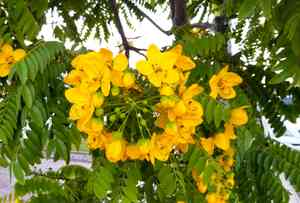
Gold medallion tree (Cassia leptophylla)
Also known as: Gold Medallion Tree
The Golden Shower Tree, or Cassia fistula, is a stunning tropical tree known for its bright yellow blossoms. Native to South Asia, it features long, cascading flower clusters and thrives in warm climates with well-drained soils. This tree is not only visually captivating but also robust, making it a popular choice for ornamental planting.
In This Article
Attributes of Gold medallion tree
Lifespan
Perennial
Plant Type
Tree
Plant Height
6 m to 8 m
Spread
9 m
Leaf Color
The leaves are bright green.
Flower Size
Flower clusters can measure about 1-2 inches (2.5-5 cm) in diameter.
Flower Color
The flowers are bright yellow.
Images of Gold medallion tree
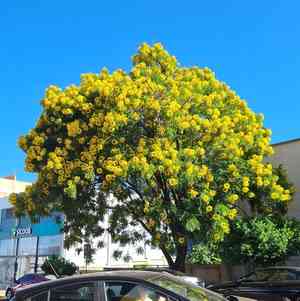
Quickly Identify Gold medallion tree
1
Compound leaves with 9-20 pairs of glossy linear leaflets.
2
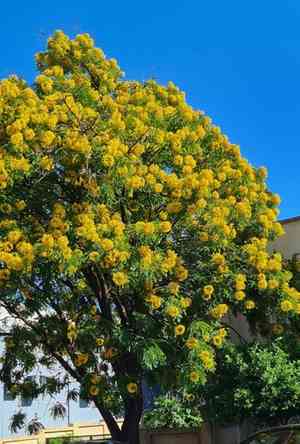
Vivid yellow flowers in clusters 2-3 inches wide.
3
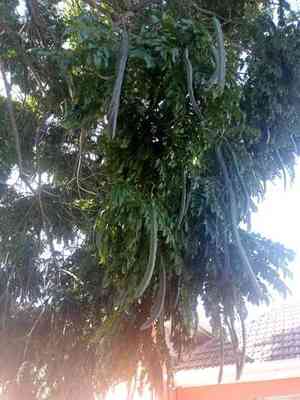
Distinctive square pods 1-2 feet long.
4
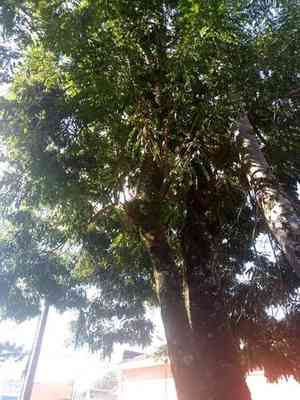
Semi-evergreen with spreading canopy and pendulous branches.
5
Reddish-brown bark adds to identification.
Scientific Classification of Gold medallion tree
Phylum
Vascular plants
Class
Dicotyledons
Order
Fabales
Family
Legume
Genus
Cassias
Species
Gold medallion tree
Planting and Growing of Gold medallion tree
Care Difficulty
Moderate
Watering Schedule
Every 2 days
Sunlight Requirements
Full sun
Sunshine Duration
6-10 hours
Ideal Temperature
60-77℉
Soil Type
Potting Mix, Peat Mix
Soil pH
6.5-7.5
Fertilizer Type
Balanced
Pruning Season
Spring, Summer
Pruning Area
Branches, Leaves
Pruning Frequency
2 times a year
Repotting Season
Spring
Pot Type
Terracotta, Plastic
 How to Water Gold medallion tree?
For Cassia leptophylla, it's important to water until the soil is evenly moist but not waterlogged. Typically, around 500 ml per watering is sufficient for a medium-sized plant, ensuring moisture reaches deeper roots without oversaturating the soil. Proper drainage is essential to prevent root rot.
What are the symptoms of an underwatered Gold medallion tree?
›
What should I do if my Gold medallion tree is not getting enough water?
›
What are the symptoms of an overwatered Gold medallion tree?
›
How to save an overwatered Gold medallion tree?
›
 What Are the Sunlight Requirements for Gold medallion tree?
Cassia leptophylla prefers full sun exposure, which significantly boosts its growth rate and flowering. Optimal light ensures robust foliage and the plant's peak ornamental performance.
How much light does Cassia leptophylla need?
›
What can I do to provide ideal lighting?
›
What benefits arise from ideal lighting conditions?
›
 What Is the Ideal Temperature Range for Gold medallion tree?
Cassia leptophylla thrives best in temperatures between 60°F and 77°F. This range ensures optimal growth and flowering. Temperatures within this range support effective photosynthesis and metabolic processes, enhancing the plant's vitality and resistance to diseases.
 What Soil is Best for Gold medallion tree?
Cassia leptophylla thrives in well-draining soil that prevents waterlogging. Well-draining soils like sandy or sandy loam allow for adequate air circulation around the roots, ensuring they don't become waterlogged, which can cause root rot and other diseases. This plant prefers soils with moderate fertility. An overabundance of nutrients could lead to rapid, weak growth, while too few nutrients could result in stunted growth. A balanced soil promotes healthy, steady growth with vibrant foliage. Cassia leptophylla prefers a soil pH between 6.5 and 7.5, which allows optimal nutrient absorption. A soil within this pH range ensures that essential nutrients are available to the plant, supporting strong growth and flowering.
 How to Fertilize Gold medallion tree?
Cassia leptophylla is a medium-sized tree, and its nutrient needs are moderate. A balanced fertilizer like a 10-10-10 can be used. Apply approximately one cup per mature tree area, ensuring even distribution around the root zone.
 How to Prune Gold medallion tree?
Begin by identifying and removing any dead, diseased, or damaged branches. These limbs can be cut back to the point of healthy wood, which will help maintain the tree's health. Shape the Cassia leptophylla by trimming for aesthetics and to open up the canopy for better air circulation. This not only beautifies your tree but also helps minimize the risk of powdery mildew and other fungal problems.
More About Pruning Techniques→
 How to Propagate Gold medallion tree plant?
1
Start by scarifying the seeds lightly to facilitate germination. Plant the seeds in trays filled with a seed-starting mix, ensuring they are lightly covered with soil. Water them gently and place the trays in a warm, sunny location.
2
Choose semi-hardwood cuttings from healthy plants, ideally during the early morning. Cuttings should be about 4-6 inches long. Remove the lower leaves and dip the base in rooting hormone to encourage root development.
3
Place the cuttings in a well-draining potting mix and water them thoroughly. Cover with a plastic bag to maintain humidity and place in indirect sunlight. Check for roots after a few weeks by gently pulling on the cuttings.
 How to Repot Gold medallion tree plant?
1
You should repot Cassia leptophylla when its roots have become cramped and start to circle around the pot interior. Other signs include reduced growth or water retention issues. The optimal time to repot is during the growing seasons, Spring or early Summer, as this gives the plant ample opportunity to adjust and grow into its new home.
2
Select a pot that is 2-3 inches larger in diameter than the current one. Look for pots with adequate drainage holes to prevent waterlogging. Using a slightly larger pot allows room for root growth while maintaining proper moisture balance, preventing root rot and promoting healthy development.
3
Use a well-draining, nutrient-rich potting mix that can hold some moisture but does not become compacted. A mix containing peat, perlite, and a bit of sand ensures proper drainage and aeration. This kind of soil mix allows roots to breathe, reduces the risk of root rot, and supports vigorous growth.
Learn More About Gold medallion tree Diseases
Anthracnose
Bacterial Leaf Spot
Bacterial Wilt
Chemical Injury
Crown Gall
Damping-off
Downy Mildew
Drought Stress
Fusarium Wilt
Gray Mold
Leaf Curl
Leaf Spot
Mosaic
Nutrient Deficiency
Nutrient Toxicity
Powdery Mildew
Root Rot
Root-knot Nematode
Rusts
Sooty Mold
Spider Mites
Temperature Stress
Thrips Damage
White Mold



