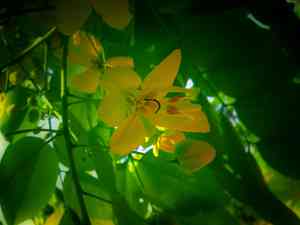
Golden shower tree (Cassia fistula)
Also known as: Golden rain, Indian laburnum, Golden shower, Purging fistula
The Golden Shower Tree, known scientifically as Cassia fistula, is prevalent in tropical and subtropical areas and reaches its full bloom in mid-summer. This tree holds dual significance in Thailand, being both the national flower and the national tree.
Attributes of Golden shower tree
Images of Golden shower tree

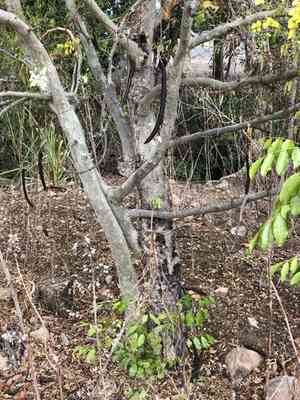
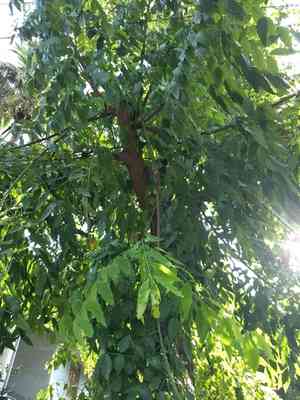
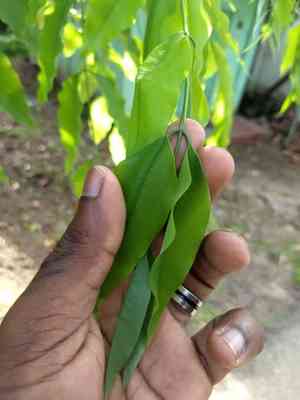
Quickly Identify Golden shower tree
Scientific Classification of Golden shower tree
Planting and Growing of Golden shower tree
 How to Water Golden shower tree?
 What Are the Sunlight Requirements for Golden shower tree?
 What Is the Ideal Temperature Range for Golden shower tree?
 What Soil is Best for Golden shower tree?
 How to Fertilize Golden shower tree?
 How to Prune Golden shower tree?
 How to Propagate Golden shower tree plant?
 How to Repot Golden shower tree plant?
Toxicity of Golden shower tree
Is Golden shower tree toxic to humans?
The golden shower tree is a poisonous species when ingested. Its seeds harbor toxins that can lead to harmful effects in humans. Individuals might unintentionally consume these seeds while utilizing other parts of the plant for medicinal use, often unaware of the associated risks.
Is Golden shower tree toxic to cat?
The golden shower tree has a low toxicity level that can be harmful to cats if any parts of the plant are consumed in excessive quantities. Cats exposed to the golden shower tree may experience physical distress or exhibit symptoms of illness. To reduce potential health hazards, it is essential for cat owners to closely monitor their pets and deter them from eating the plant. Should there be any suspicion of poisoning, prompt veterinary care is essential to safeguard the health and well-being of the affected feline.
Is Golden shower tree toxic to dog?
The golden shower tree is recognized as having a mild level of toxicity for dogs. If ingested in significant quantities, this plant can poison dogs. All components of the golden shower tree are toxic, which implies that the consumption of any part, including leaves, flowers, seeds, or bark, poses a risk of poisoning. The symptoms associated with poisoning can differ, potentially manifesting as gastrointestinal distress like vomiting and diarrhea. It is essential for dog owners to supervise their pets closely and restrict their access to the golden shower tree, particularly since dogs may be lured by its various parts. If a dog does consume any part of the golden shower tree, it is crucial to obtain immediate veterinary assistance to ensure the best possible outcome for the animal.



