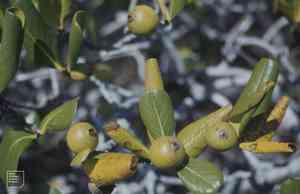
Seven year apple (Casasia clusiifolia)
Also known as: Seven Year Apple, Inkberry
The seven year apple, also known as Genip or Genipa americana, is a tropical tree native to Central and South America, often found in moist, well-drained soils. It showcases large, dark green, glossy leaves and produces fragrant white to yellowish flowers that attract various pollinators. This species thrives in sunny environments and can withstand periodic flooding, demonstrating its adaptability to its humid, subtropical habitat. In its natural setting, the seven year apple plays a crucial role in its ecosystem, contributing to soil stability and providing resources for local wildlife.
In This Article
Attributes of Seven year apple
Lifespan
Perennial
Plant Type
Tree, Shrub
Plant Height
2.5 m to 6 m
Spread
2.5 m to 4.5 m
Leaf Color
Dark green
Flower Size
2 to 3 centimeters (0.8 to 1.2 inches)
Flower Color
White
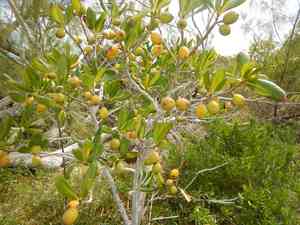
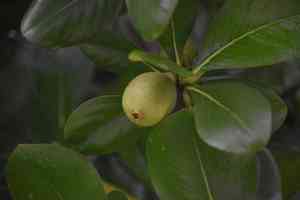
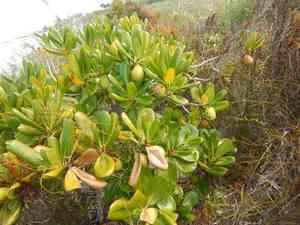
Images of Seven year apple
Quickly Identify Seven year apple
1
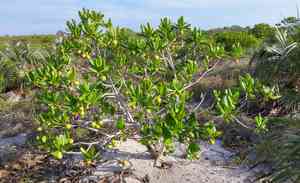
Casasia clusiifolia can be identified by its glossy, dark green leaves that are thick and leathery. The plant produces white, star-shaped flowers which are fragrant and bloom throughout the year. The fruit is dark purple to black and resembles a small apple.
Scientific Classification of Seven year apple
Phylum
Vascular plants
Class
Dicotyledons
Order
Gentianales
Family
Madder
Genus
Casasia
Species
Seven year apple
Planting and Growing of Seven year apple
Care Difficulty
Easy
Watering Schedule
Every 3 days
Sunlight Requirements
Partial sun
Sunshine Duration
4-6 hours
Ideal Temperature
65-80℉
Soil Type
Potting Mix, Peat Mix
Soil pH
6.5-7.5
Fertilizer Type
Balanced
Pruning Season
Spring, Summer
Pruning Area
Branches, Leaves
Pruning Frequency
Once a year
Repotting Season
Spring
Pot Type
Plastic, Ceramic
 How to Water Seven year apple?
Casasia clusiifolia requires watering that ensures the soil remains moist but not too wet. Aim to provide about 500ml of water per session. The principle here is to water until the soil feels uniformly moist to a depth of about an inch, allowing the plant's roots to access adequate moisture without being waterlogged.
What are the symptoms of an underwatered Seven year apple?
›
What should I do if my Seven year apple is not getting enough water?
›
What are the symptoms of an overwatered Seven year apple?
›
How to save an overwatered Seven year apple?
›
 What Are the Sunlight Requirements for Seven year apple?
Casasia clusiifolia flourishes under partial sun to full sun, benefiting from consistent and moderate all-day sunlight to ensure optimal growth and vibrant foliage.
Optimal Sunlight Amount
›
Solutions for Ideal Lighting
›
Benefits of Ideal Lighting
›
 What Is the Ideal Temperature Range for Seven year apple?
For optimal growth, Casasia clusiifolia thrives best in temperatures ranging from 65°F to 80°F. This range provides the necessary warmth to support active growth, nutrient uptake, and photosynthesis, which are essential for healthy development. Maintaining this temperature ensures robust foliage and flowering.
 What Soil is Best for Seven year apple?
Casasia clusiifolia thrives best in well-drained soil, preventing root rot by allowing excess moisture to escape. This promotes healthy root development and vigorous growth, reducing the risk of waterlogging, which could otherwise lead to poor plant health. This plant prefers soil with moderate nutrient content to support its growth. Adequate nutrients ensure robust foliage and flowering, enhancing its ornamental value. Avoid overly rich soils to prevent excessive growth and maintenance issues. Casasia clusiifolia requires a slightly acidic to neutral pH range of 6.5 to 7.5. This pH range optimizes nutrient availability and uptake, ensuring the plant receives all essential nutrients efficiently.
 How to Fertilize Seven year apple?
When fertilizing Casasia clusiifolia, it’s important to ensure that you apply a moderate amount of nutrients. Over-fertilizing can damage the roots and under-fertilizing may lead to poor growth. For optimal growth, use a balanced liquid fertilizer at the rate recommended for most ornamental shrubs, ensuring that the concentration is diluted as per instructions. Aim for about half the strength of a general-purpose liquid fertilizer to start, adjusting based on plant response.
 How to Prune Seven year apple?
Start by removing any dead or diseased branches to enhance airflow and sun exposure. Trim back overgrown areas to keep the plant compact. Focus on shaping the plant by cutting just above a leaf node to encourage bushier growth. Perform major pruning in early spring after the last frost, allowing the plant to recover during the growing season. Light maintenance pruning can be done in summer and autumn to manage its shape.
More About Pruning Techniques→
 How to Propagate Seven year apple plant?
1
Choose robust and disease-free parent plants, as the strength of the parent material directly affects the success rate of propagation, particularly when using cuttings.
2
For Casasia clusiifolia, preparing a well-draining growing medium is essential. A mix of peat, perlite, and sand can provide the plant with the necessary aeration and moisture control.
3
After preparing the medium, plant the seeds or insert the cuttings, making sure they are positioned correctly and secured within the medium to promote optimal growth conditions.
 How to Repot Seven year apple plant?
1
You should consider repotting Casasia clusiifolia when you notice roots coming out of the drainage holes or the plant looks stunted. Another signal is when the soil retains water excessively, indicating possible root bound or deteriorating soil. Typically, the best time to repot is during its active growing seasons, which are spring and summer, as the stress from repotting is minimized, allowing the plant to recover more efficiently.
2
Select a pot that is 1-2 inches larger in diameter than the current pot to give room for root expansion. Ensure it has adequate drainage holes to prevent water-logging, which can cause root rot. A well-chosen pot also provides stability and supports the growth of Casasia clusiifolia, ensuring the plant thrives in its new environment.
3
Opt for well-draining sandy soil, combining organic matter like compost with sand or perlite. This mixture mimics the plant's native environment, preventing water retention and promoting aeration around the roots. Proper soil ensures healthy growth, reduces the risk of diseases, and enhances nutrient availability for Casasia clusiifolia.
Learn More About Seven year apple Diseases
Anthracnose
Bacterial Leaf Spot
Bacterial Wilt
Crown Gall
Cyst Nematode
Damping-off
Downy Mildew
Drought Stress
Fusarium Wilt
Gray Mold
Leaf Spot
Mosaic
Nutrient Deficiency
Nutrient Toxicity
Powdery Mildew
Root Rot
Root-knot Nematode
Rusts
Sooty Mold
Spider Mites
Temperature Stress
Thrips Damage
White Mold



