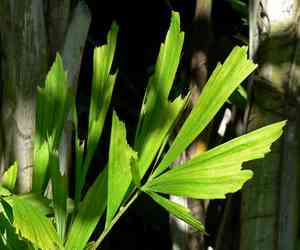
Fishtail palms (Caryota) (Caryota)
Also known as: Fishtail palm
The Fishtail Palm, native to Southeast Asia, stands out with its distinctive bi-pinnate fronds resembling a fish’s tail. This palm is a popular choice for tropical gardens and landscapes. It is dioecious, producing long flower panicles that attract hummingbirds and other pollinators.
In This Article
Attributes of Fishtail palms (Caryota)
Lifespan
Perennial
Plant Height
Caryota can grow up to 12-20 meters tall in its mature stage.
Spread
The crown can spread to a diameter of 6-8 meters.
Leaf Color
The leaves are dark green in color.
Flower Size
The flower clusters can be up to 1 meter wide.
Flower Color
The flowers are cream to yellow in color.
Images of Fishtail palms (Caryota)
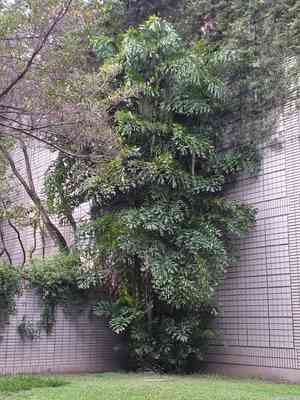
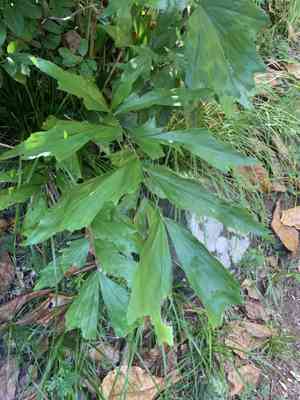

Quickly Identify Fishtail palms (Caryota)
1
To identify Caryota, look for its distinctive wedge-shaped, compound leaflets that resemble a fishtail, and its tall, slender trunk. The leaves are bipinnate, with a rough texture and a dark green color.
Scientific Classification of Fishtail palms (Caryota)
Phylum
Magnoliophyta
Class
Monocotyledonae
Order
Arecales
Family
Arecaceae
Genus
Caryota
Planting and Growing of Fishtail palms (Caryota)
Care Difficulty
Hard
Watering Schedule
Every 2 days
Sunlight Requirements
Partial sun
Sunshine Duration
6-8 hours
Ideal Temperature
65-75℉
Soil Type
Potting Mix, Peat Mix
Soil pH
6.5-7.5
Fertilizer Type
Balanced
Pruning Season
Spring, Summer
Pruning Area
Branches, Leaves
Pruning Frequency
2 times a year
Repotting Season
Spring
Pot Type
Plastic, Ceramic
 How to Water Fishtail palms (Caryota)?
Caryota, also known as fishtail palm, requires a moderate but thorough watering process. Ensure that you water until the excess begins to drain from the pot's bottom. The soil should remain evenly moist without getting soggy, following the principle of letting the top inch of soil dry out between waterings.
What are the symptoms of an underwatered Fishtail palms (Caryota)?
›
What should I do if my Fishtail palms (Caryota) is not getting enough water?
›
What are the symptoms of an overwatered Fishtail palms (Caryota)?
›
How to save an overwatered Fishtail palms (Caryota)?
›
 What Are the Sunlight Requirements for Fishtail palms (Caryota)?
Partial sunlight is ideal for Caryota, offering the perfect balance between growth stimulation and protection from sun damage. This light range encourages vibrant leaf development and minimizes the risk of harm from excessive exposure.
How much sunlight is ideal for Caryota?
›
How do you provide ideal light conditions indoors?
›
What benefits does the ideal light offer Caryota?
›
 What Is the Ideal Temperature Range for Fishtail palms (Caryota)?
The ideal temperature range for Caryota, commonly known as fishtail palms, is between 65 and 75 degrees Fahrenheit. This range provides the optimal conditions for healthy growth and development. Maintaining temperatures within this range helps ensure strong foliage and overall plant vitality.
 What Soil is Best for Fishtail palms (Caryota)?
Caryota palms thrive in nutrient-rich soils that provide essential minerals for healthy growth. Such soils promote robust root development and overall plant vigor, resulting in lush foliage and increased resilience to pests and diseases. Ample drainage is crucial for Caryota, as waterlogged conditions can lead to root rot. Well-draining soil ensures excess water flows away, preventing waterlogged roots and enabling the plant to access oxygen, essential for its survival. While Caryota requires well-draining soils, it also benefits from moisture-retentive properties. This balance keeps the roots hydrated, reducing the frequency of watering and fostering steady growth even in dry conditions.
 How to Fertilize Fishtail palms (Caryota)?
For Caryota, use a balanced fertilizer with a ratio of 10-10-10 or 20-20-20. For liquid fertilizers, mix at half the recommended strength, about 5 ml per liter of water. When using slow-release fertilizers, use around 50 grams sprinkled around the base of the plant.
 How to Prune Fishtail palms (Caryota)?
Always sanitize your pruning tools before and after working on each plant to prevent the spread of diseases. Simply wiping them down with rubbing alcohol or using a household antiseptic solution can be effective. Prior to pruning, inspect your Caryota for signs of stress or disease. If you notice any unusual spots or pests, treat these issues before proceeding with pruning to avoid aggravating the problems.
 How to Propagate Fishtail palms (Caryota) plant?
1
Before planting, soak the Caryota seeds in water for 24-48 hours to soften the seed coat. This helps in improving water absorption and speeds up the germination process, crucial for successful propagation.
2
Plant the soaked seeds about 1 inch deep in a seed tray filled with a well-draining potting mix. Cover them lightly with soil and ensure they are spaced adequately to allow for root development.
3
Place the seed trays in a warm area with temperatures around 75-80°F (24-27°C). Use a humidity dome to maintain humidity and mist regularly to keep the soil moist but not waterlogged.
 How to Repot Fishtail palms (Caryota) plant?
1
Caryota should be repotted when its roots start to peer out of drainage holes or if its growth seems stunted due to lack of space. Look for signs like slow growth, dry roots coming out of the pot's bottom, or difficulty in retaining water. Spring presents the best time as the plant will have ample opportunity to establish itself in a new environment before the growing season kicks in.
2
Select a pot that is 1-2 inches larger in diameter than the current one, ensuring it has ample drainage holes. A larger pot accommodates root growth, and having good drainage prevents waterlogged conditions which can cause root rot. Opt for materials like terracotta that allow for breathability and aid in preventing moisture accumulation.
3
A well-draining sandy loam soil works best for Caryota to prevent root rot and ensure proper aeration. The soil should retain some moisture without becoming waterlogged and provide enough nutrients to support healthy growth. Adding perlite or vermiculite can enhance drainage and soil structure.
Toxicity
Ingestion
WARNING
The judgment on toxicity and danger is for reference only. We DO NOT GUARANTEE any accuracy of such judgment. Therefore, you SHALL NOT rely on such judgment. It is IMPORTANT TO SEEK PROFESSIONAL ADVICE in advance when necessary.

