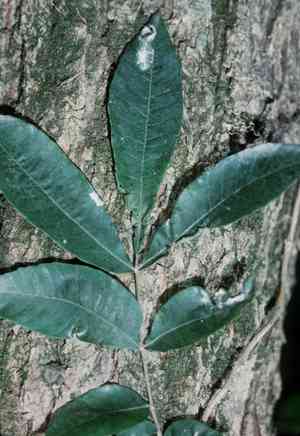
Water hickory (Carya aquatica)
Also known as: Water Hickory, Bitter Pecan
This tree species is vital for managing water flow and sedimentation during floods. By slowing down water movement, the trees allow sediments to settle, reducing the amount of sediment carried by the water. While they thrive in well-draining soils near rivers and waterways, they are also tolerant of wet conditions. Their presence helps stabilize riverbanks and improve water quality by acting as natural filtration systems.
In This Article
Attributes of Water hickory
Lifespan
Perennial
Plant Type
Tree
Plant Height
24 m to 30 m
Spread
12 m to 15 m
Leaf Color
Green
Flower Size
2.5 cm to 8 cm
Flower Color
Greenish-yellow
Images of Water hickory
Quickly Identify Water hickory
1
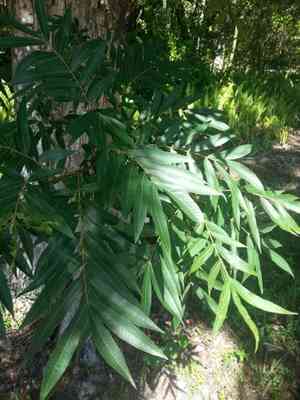
Alternate lance-shaped serrated leaves turn golden yellow, 7-15 inches (18-38 cm) long.
2
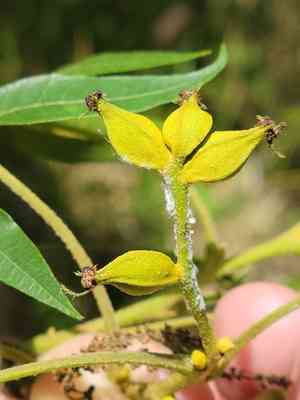
Male flowers in hanging catkins (2-3 inches/5-7.6 cm), female flowers in short spikes.
3
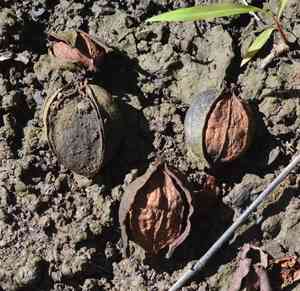
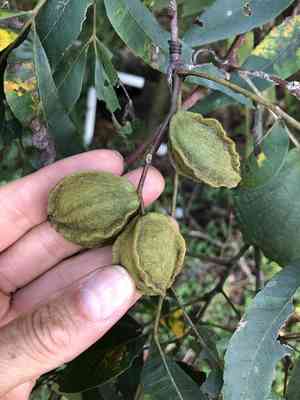
Distinctive compressed oval nut (1-1.5 inches/2.5-3.8 cm) in textured husk.
4
Compound leaves with 7-15 curved leaflets, fuzzy undersides with fine hairs, finely serrated.
5
Reddish-brown twigs with yellowish buds, smooth texture, alternate branching patterns.
Scientific Classification of Water hickory
Phylum
Vascular plants
Class
Dicotyledons
Order
Beeches, walnuts, and allied trees
Family
Walnut
Genus
Hickories
Species
Water hickory
Planting and Growing of Water hickory
Care Difficulty
Easy
Watering Schedule
Every 4 days
Sunlight Requirements
Full sun
Sunshine Duration
6-12 hours
Ideal Temperature
68-86℉
Soil Type
Potting Mix, Peat Mix
Soil pH
5.5-7
Fertilizer Type
Balanced
Pruning Season
Spring, Summer
Pruning Area
Branches, Leaves
Pruning Frequency
2 times a year
Repotting Season
Spring
Pot Type
Plastic, Ceramic
 How to Water Water hickory?
For Carya aquatica, you should aim to water with around 2000 milliliters each time. The goal is to ensure the soil is thoroughly moist but not waterlogged, allowing the roots to absorb adequate moisture without drowning. Check that the top 2-3 inches of soil has absorbed water to be sure it is sufficiently watered.
What are the symptoms of an underwatered Water hickory?
›
What should I do if my Water hickory is not getting enough water?
›
What are the symptoms of an overwatered Water hickory?
›
How to save an overwatered Water hickory?
›
 What Are the Sunlight Requirements for Water hickory?
Carya aquatica prefers full to partial sunlight, providing 6 to 8 hours of light daily. These conditions support its natural growth cycle, resulting in a hardy and productive plant.
What is the ideal light setting for Carya aquatica?
›
How can you achieve optimal lighting for Carya aquatica?
›
What are the benefits of achieving ideal lighting conditions?
›
 What Is the Ideal Temperature Range for Water hickory?
The ideal temperature range for Carya aquatica is between 68°F and 86°F. These conditions mimic the natural climate where the species thrives, allowing for optimal growth and health. Within this range, the metabolic processes, including photosynthesis and nutrient uptake, occur efficiently, supporting robust plant development.
 What Soil is Best for Water hickory?
Carya aquatica thrives in well-drained soils that prevent waterlogging. Proper drainage ensures that the roots receive ample oxygen, vital for nutrient uptake and overall tree health. While well-drained, the soil should retain sufficient moisture to support the tree's needs, especially during dry spells. This balance promotes robust growth and minimizes stress. The presence of organic matter enriches the soil, providing essential nutrients that support the growth of Carya aquatica. Nutrient-rich soils contribute to strong root and foliage development.
 How to Fertilize Water hickory?
Carya aquatica benefits from modest fertilization. A good rule of thumb is to apply about 1 pound of balanced 10-10-10 fertilizer per inch of trunk diameter, spreading it evenly around the drip line. This amount supports healthy growth without overwhelming the root system.
 How to Prune Water hickory?
Begin by assessing the tree's structure for dead, damaged, or diseased branches. This foundational step ensures that all cuts improve tree health and reduce risks of future issues. Make clean cuts at a slight angle, just above an outward-facing bud or branch. This promotes new growth while preventing water from collecting in the cut area. Selectively remove branches to maintain an open crown and balanced shape. This improves air circulation within the tree, contributing to reduced fungal growth.
More About Pruning Techniques→
 How to Propagate Water hickory plant?
1
Start by preparing a suitable seed starting mix in a seed tray or small pots. Ensure the soil is moist but not waterlogged. Soil preparation is crucial to provide the seeds with the nutrients and conditions they need to start growing.
2
Place the Carya aquatica seeds into the soil, covering them lightly. Sowing depth should generally be the size of the seed itself. Ensure even spacing to allow each seed adequate space to germinate and grow initially.
3
After sowing, lightly water the seeds without dislodging them. Maintain consistent moisture by covering the tray with a plastic dome or using a misting bottle. Overwatering should be avoided to prevent seed rot.
 How to Repot Water hickory plant?
1
Look for signals like root-bound conditions, slower growth, or poor soil drainage. If the plant appears overcrowded or the roots are spiraling around the pot's interior, it's time to repot.
2
Select a pot 2-3 inches larger in diameter than the current one. A slightly larger pot provides adequate room for root expansion but prevents overwatering issues associated with oversized containers.
3
Opt for well-draining loamy soil that retains moisture yet prevents waterlogging. This type of soil ensures roots receive adequate moisture while maintaining airflow, fostering robust growth.



