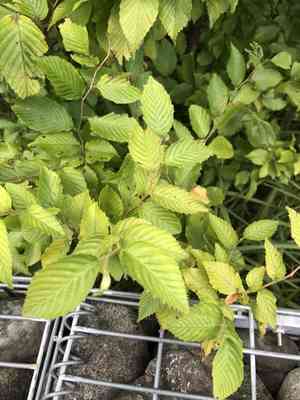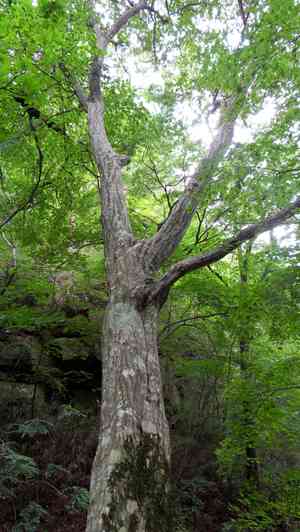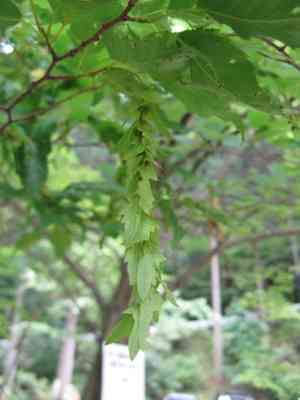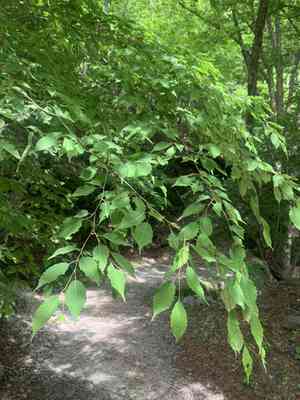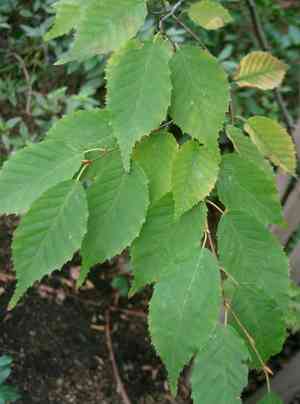
Loose-flower hornbeam(Carpinus laxiflora)

Loose-flower hornbeam (Carpinus laxiflora)

Also known as: Egiriko, Japanese Hornbeam

The loose-flower hornbeam (Carpinus laxiflora) is a deciduous tree recognized for its airy, open canopy. It thrives in temperate forest regions and features distinctive ovate to lance-shaped leaves with serrated edges and prominent veins. The bark is smooth and gray, complementing the tree's delicate, catkin-like flowers that bloom in spring.

Preferred growing conditions:
- Light: Partial shade to full sun
- Soil: Prefers well-drained, moist soil but is adaptable to various soil types
- Climate: Best suited for cool, temperate climates
- Location: Often found on slopes or near riverbanks where soil moisture is sufficient

This tree is ideal for ornamental landscaping due to its attractive foliage, elegant form, and ability to enhance serene groves.

Attributes of Loose-flower hornbeam

Lifespan
Perennial
Plant Type
Tree
Plant Height
9 m
Spread
8 m
Leaf Color
Green (spring and summer), Yellow to reddish-brown (autumn)
Flower Size
0.5-1 cm
Flower Color
Greenish

ForwardPlant - Identify plants with a snap

Identify and diagnose plants, get toxicity alerts, and explore safety guides for all types of fungi.

Try for Free

Images of Loose-flower hornbeam

Loose-flower hornbeam(Carpinus laxiflora)

Quickly Identify Loose-flower hornbeam

1
The Japanese Hornbeam can be identified by its smooth, gray-brown bark that features distinctive muscle-like ridges. The leaves are simple, alternate, and ovate to elliptical with serrated edges. It produces small, inconspicuous flowers and characteristic hop-like fruit clusters.

Scientific Classification of Loose-flower hornbeam

Phylum
Vascular plants
Class
Dicotyledons
Order
Beeches, walnuts, and allied trees
Family
Birch
Genus
Hornbeams
Species
Loose-flower hornbeam

Planting and Growing of Loose-flower hornbeam

Care Difficulty
Moderate
Watering Schedule
Every 4 days
Sunlight Requirements
Full sun
Sunshine Duration
6-12 hours
Ideal Temperature
50-70℉
Soil Type
Potting Mix, Peat Mix
Soil pH
6.5-7.5
Fertilizer Type
Balanced
Pruning Season
Spring, Summer
Pruning Area
Branches, Leaves
Pruning Frequency
2 times a year
Repotting Season
Spring
Pot Type
Plastic, Ceramic

water icon How to Water Loose-flower hornbeam?

When watering Carpinus laxiflora, aim to soak the soil thoroughly without leaving it waterlogged. A good guideline is to water until you notice it draining out from the bottom of the pot, ensuring the entire root system receives adequate moisture. This usually means approximately 500ml per session, but always adjust based on plant response.
What are the symptoms of an underwatered Loose-flower hornbeam?
What should I do if my Loose-flower hornbeam is not getting enough water?
What are the symptoms of an overwatered Loose-flower hornbeam?
How to save an overwatered Loose-flower hornbeam?

sunlight icon What Are the Sunlight Requirements for Loose-flower hornbeam?

Sunlight Requirements: Full sun, Partial sun
Duration of light: 4 to 6 hours
Carpinus laxiflora flourishes best under conditions of partial to full sun. Optimal exposure allows the plant to photosynthesize effectively, supporting dense foliage and robust growth while ensuring its health is maintained with minimal leaf scorch risk.
Optimal Amount of Sunlight
Ensuring Consistent Sun Exposure
Light Adjustment with Seasonal Changes

temperature icon What Is the Ideal Temperature Range for Loose-flower hornbeam?

Ideal Temperature: 50 ~ 70℉
The ideal temperature range for Carpinus laxiflora cultivation is between 50°F and 70°F. Within this range, the plant experiences optimal conditions for growth and development, ensuring vibrant foliage and robust health.

soil icon What Soil is Best for Loose-flower hornbeam?

Soil type: Loam, Sandy loam, Clay soil
Soil PH: 6.5 ~ 7.5
Carpinus laxiflora thrives in soils that offer good drainage. Well-drained soil ensures that the roots remain healthy by not sitting in water, which can lead to root rot. This preference for drainage is crucial for the plant's overall development and resilience. This plant appreciates a soil that is rich in organic matter. Nutrient-rich soil provides essential minerals and nutrients, fostering vigorous growth and ensuring that the foliage remains lush and vibrant throughout its growth cycle. The ability of the soil to retain adequate moisture without becoming waterlogged is essential. Moisture retention ensures that the plant receives a consistent water supply, especially during dry spells, thus supporting sustained growth.

fertilize icon How to Fertilize Loose-flower hornbeam?

Fertilizer type: Balanced
Carpinus laxiflora benefits from moderate fertilization. A balanced 10-10-10 or 20-20-20 NPK fertilizer is ideal. For liquid fertilizers, a dose of 1 tablespoon per gallon of water is usually adequate. Apply evenly around the base to ensure uniform nutrient distribution.

prune icon How to Prune Loose-flower hornbeam?

Pruning Time: Spring, Autumn
Begin by inspecting the tree for any dead, damaged, or diseased branches. Use sharp pruning shears to make clean cuts, removing these branches to prevent the spread of disease and to improve the tree's appearance. Focus on creating an appealing, balanced shape for your Carpinus laxiflora. Trim away branches that disrupt the symmetry, and remove those crossing over or entwining to encourage better structure and strength. Always cut at a slight angle above healthy buds. Look for sucker growths at the base and water sprouts along the trunk or branches. These shoots can drain energy from the tree, reducing its vitality. Removal should be flush with the main stem or trunk to prevent regrowth. To ensure adequate light penetration and air circulation, thin out densely packed areas of branches. This encourages photosynthesis and prevents fungal infections, keeping the tree healthy and vibrant throughout the growing season. More About Pruning Techniques

propagate icon How to Propagate Loose-flower hornbeam plant?

Propagate Time: Spring,Early Spring,Autumn
1
Select healthy branches and cut at an angle. Cuttings should be around 10-15 cm in length and have several nodes.
2
Dip the cut end of the cutting into a rooting hormone to encourage root growth. This is especially helpful if the cuttings struggle to root naturally.
3
Place the cutting in a suitable growing medium like a mixture of peat and sand. Ensure it's upright and firm in the medium for stability.
More About Propagating Techniques

repot icon How to Repot Loose-flower hornbeam plant?

Repotting frequency: Every 2-3 years
1
Carpinus laxiflora needs repotting when you notice the roots circling the pot or growing through drainage holes, or when the soil becomes compacted. Typically, spring or autumn is best, as it allows the plant to establish itself before the extreme temperatures of summer or winter.
2
Choose a pot that is one size larger than the current one with adequate drainage. This prevents water logging which can cause root rot, while also giving the roots enough space to grow. A well-sized pot supports better plant health and growth.
3
Opt for a well-draining loam mix that retains some moisture while allowing excess water to escape. This balance prevents both drying out and waterlogging, promoting the plant's vigorous growth and health over time.

ForwardPlant - Identify plants with a snap

Find the best spots for them to optimize their health, simply using your phone.

Try for Free