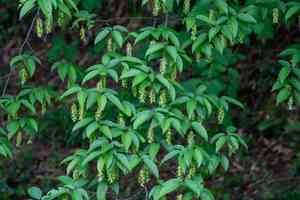
Japanese hornbeam (Carpinus japonica)
Also known as: Japanese Hornbeam
It is a deciduous tree growing to 12 to 15 m tall with leaves that are longer and darker than the European hornbeam (Carpinus betulus). The leaves are dark, glossy and slender, with 20-24 pairs of parallel sunken veins; every third tooth is whisker-tipped. The prominent catkins are green turning to brown.
In This Article
Attributes of Japanese hornbeam
Lifespan
Perennial
Plant Type
Tree
Plant Height
6 m to 9 m
Spread
3.5 m to 4.5 m
Leaf Color
Yellow Green
Flower Size
Not significant; the flowers are small and inconspicuous
Flower Color
Green Brown
Images of Japanese hornbeam
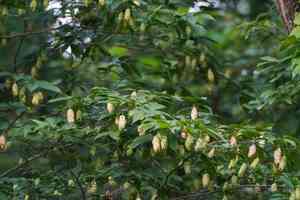
Quickly Identify Japanese hornbeam
1
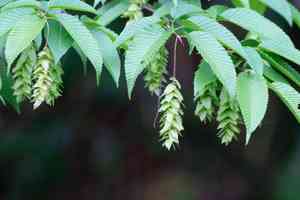
Serrated, creased bract paired with ribbed nutlet.
2
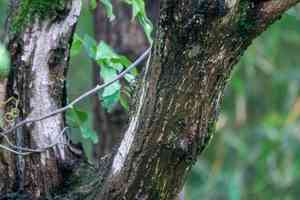
Distinctive fluted trunk with vertical ridges.
3
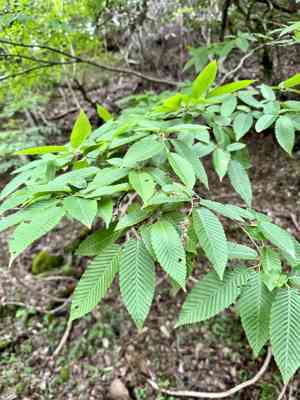
Dark green leaves with quilted texture and doubly-toothed margins.
4
Reddish-brown twigs with vertical lenticels for gas exchange.
5
Yellowish-green catkins turning pale brown, blooming in mid to late spring.
Scientific Classification of Japanese hornbeam
Phylum
Vascular plants
Class
Dicotyledons
Order
Fagales
Family
Birch
Genus
Hornbeams
Species
Japanese hornbeam
Planting and Growing of Japanese hornbeam
Care Difficulty
Moderate
Watering Schedule
Every 3 days
Sunlight Requirements
Partial sun
Sunshine Duration
6-10 hours
Ideal Temperature
60-75℉
Soil Type
Potting Mix, Peat Mix
Soil pH
6.5-7.5
Fertilizer Type
Balanced
Pruning Season
Spring, Summer
Pruning Area
Branches, Leaves
Pruning Frequency
2 times a year
Repotting Season
Spring
Pot Type
Plastic, Terracotta
 How to Water Japanese hornbeam?
For Carpinus japonica, the watering amount you should aim for is around 500ml per watering session. This amount ensures that the soil is sufficiently moist but not oversaturated. The key is to water deeply until the excess begins to drain out of the pot's drainage holes, which helps promote healthy root growth.
What are the symptoms of an underwatered Japanese hornbeam?
›
What should I do if my Japanese hornbeam is not getting enough water?
›
What are the symptoms of an overwatered Japanese hornbeam?
›
How to save an overwatered Japanese hornbeam?
›
 What Are the Sunlight Requirements for Japanese hornbeam?
Catering to partial sun needs, Carpinus japonica flourishes with 4-6 hours of dappled sunlight daily. This light balance supports healthy foliage and growth by catering to its natural habitat preferences.
How much light does Carpinus japonica need?
›
Where should I place Carpinus japonica?
›
What solutions help achieve ideal lighting?
›
 What Is the Ideal Temperature Range for Japanese hornbeam?
The ideal temperature range for Carpinus japonica ranges from 60°F to 75°F. These temperatures encourage optimal growth and ensure the plant remains healthy. Within this range, the plant can efficiently carry out photosynthesis, leading to better growth and foliage. It is essential for gardeners to maintain this temperature range, especially during active growth periods, to ensure the plant develops a sturdy structure and remains disease-free.
 What Soil is Best for Japanese hornbeam?
Carpinus japonica thrives in well-drained soil, which ensures that excess water can escape, preventing root rot and promoting healthy root growth for a robust plant. This plant appreciates soils rich in organic matter, which provide essential nutrients, fostering lush foliage and stable growth during its development. Maintaining moderate soil moisture is key as it helps Carpinus japonica absorb nutrients efficiently, supporting sustained health and preventing dehydration stress.
 How to Fertilize Japanese hornbeam?
For Carpinus japonica, it's crucial to provide a balanced nutrient regimen. Use a balanced liquid fertilizer diluted to half strength to prevent nutrient burn. For slow-release fertilizers, a 3-5 grams dose per square meter is suitable.
 How to Prune Japanese hornbeam?
Start by identifying dead, damaged, or crossing branches. These should be first on your list to remove, as they can impede healthy growth or increase the tree's vulnerability to pests. Carefully make a clean cut at a slight angle, just above a leaf node or bud. This encourages new growth and prevents water from collecting on the cut surface, which could lead to rot. When shaping Carpinus japonica, aim for an open, well-spaced canopy that allows light and air to penetrate. This helps in promoting healthy growth and reduces the risk of fungal diseases.
More About Pruning Techniques→
 How to Propagate Japanese hornbeam plant?
1
Harvest seeds from mature Carpinus japonica fruits. Clean them thoroughly to remove any pulp and store them in a cool, dry place if you're not planting them immediately.
2
Select healthy branches and use pruning shears to cut 4-6 inch sections. Remove leaves from the lower half and dip the cut end in rooting hormone before planting.
3
Select a low-growing branch, make a small cut in the bark, and pin it to the soil with a U-shaped pin. Cover the wounded section with soil and keep it moist until roots develop.
 How to Repot Japanese hornbeam plant?
1
Carpinus japonica shows signs needing a new pot when roots start spiraling the container and growth visibly stagnates. If you notice slow water absorption or discoloration in the foliage, it might be time to consider repotting. The best signals are when you notice these signs during early spring or the onset of autumn, providing an ideal environmental condition for recovery.
2
Select a pot with adequate drainage holes and ensure it's slightly larger than the current one. A well-chosen pot empowers the plant for robust growth and prevents waterlogging, thereby safeguarding root health. A clay or terracotta pot can be great for allowing the roots to breathe effectively and maintain a stable temperature.
3
Opt for a well-drained loamy soil mix that supports aeration and moisture retention. The right soil combination fosters healthy root development and minimizes the risks of root rot. Incorporating organic matter into the mix can enhance nutrient availability and provide a balanced grounding for the plant's nourishment.



