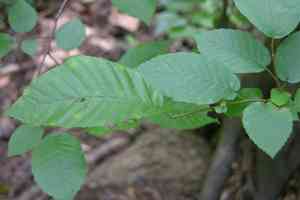
American hornbeam (Carpinus caroliniana)
Also known as: Ironwood
The American hornbeam is a small tree that typically grows between 10 and 15 meters in height. It often features a crooked trunk rather than a straight one. Known for its extremely hard and dense wood, the American hornbeam is prized for its durability. This makes it ideal for crafting tool handles, levers, and other items requiring robust and resilient wood.
In This Article
Attributes of American hornbeam
Lifespan
Perennial
Plant Type
Tree
Plant Height
6 m to 9 m
Spread
6 m to 9 m
Leaf Color
Green Yellow Orange Red
Flower Size
2.5 cm to 5 cm
Flower Color
Green Yellow Red Brown Gold
Images of American hornbeam

Quickly Identify American hornbeam
1
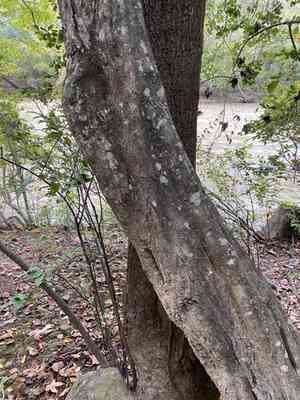
Foliage turns vivid colors in fall, distinctive muscle-like bark pattern.
2
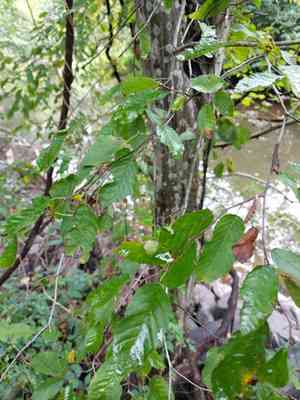
Inverted 'V' shape branching, female flowers with 3-lobed bracts.
3
Small nutlet fruits with three-lobed, leaf-like green bracts.
4
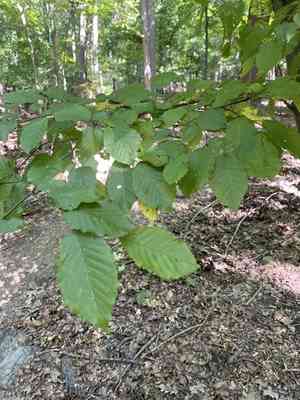
Ovate-oblong dull bluish-green leaves, doubly serrate with sharp teeth.
5
Smooth texture, sinewy muscle-like stem with irregularly fluted mature branches.
Scientific Classification of American hornbeam
Phylum
Vascular plants
Class
Dicotyledons
Order
Fagales
Family
Birch
Genus
Hornbeams
Species
American hornbeam
Planting and Growing of American hornbeam
Care Difficulty
Easy
Watering Schedule
Every 8 days
Sunlight Requirements
Partial sun
Sunshine Duration
6-10 hours
Ideal Temperature
60-75℉
Soil Type
Potting Mix, Peat Mix
Soil pH
6.5-7.5
Fertilizer Type
Balanced
Pruning Season
Spring, Summer
Pruning Area
Branches, Leaves
Pruning Frequency
2 times a year
Repotting Season
Spring
Pot Type
Plastic, Ceramic
 How to Water American hornbeam?
Carpinus caroliniana, commonly known as the American hornbeam, prefers a consistent level of soil moisture. Aim to deliver about 1000 milliliters of water per session, ensuring that the soil is thoroughly soaked, but avoid leaving the plant in standing water. The general rule is to keep the soil evenly moist, reaching down to the root zone but without creating waterlogged conditions.
What are the symptoms of an underwatered American hornbeam?
›
What should I do if my American hornbeam is not getting enough water?
›
What are the symptoms of an overwatered American hornbeam?
›
How to save an overwatered American hornbeam?
›
 What Are the Sunlight Requirements for American hornbeam?
Partial sunlight is ideal, with the plant thriving under consistent but gentle morning sun. This encourages robust foliage and overall plant health, minimizing risk of stress and promoting photosynthesis.
More About Sunlight Requirements Techniques→
What is the best lighting condition for Carpinus caroliniana?
›
How can I achieve the ideal lighting for my Carpinus caroliniana?
›
Benefits of ideal lighting for Carpinus caroliniana?
›
 What Is the Ideal Temperature Range for American hornbeam?
The American hornbeam, or Carpinus caroliniana, thrives best in a temperature range of 60°F to 75°F. This range offers optimal conditions for growth and development, providing a stable environment that supports photosynthesis, nutrient absorption, and overall plant health. It is vital to strive for these temperatures to ensure that the plant maintains its vigor and achieves its full aesthetic potential.
 What Soil is Best for American hornbeam?
Carpinus caroliniana thrives in soils that maintain consistent moisture levels. This ensures the roots have adequate access to water, promoting robust growth and reducing drought stress. The plant benefits greatly from nutrient-rich soils, which provide the essential minerals and compounds needed for healthy leaf and shoot development. Well-drained soils prevent root rot by avoiding waterlogged conditions, allowing the tree to absorb nutrients effectively and lowering the risk of fungal infections.
 How to Fertilize American hornbeam?
For Carpinus caroliniana, the recommended fertilizer amount is typically a balanced, all-purpose 10-10-10 fertilizer. Apply approximately 1 pound per 100 square feet in the spring during active growth.
 How to Prune American hornbeam?
Begin by removing any dead or crossing branches to promote a clean, open canopy. Next, trim back branches to maintain a balanced shape, focusing on areas that may be growing too densely. Always make clean cuts at a 45-degree angle to encourage quick healing. Finish by inspecting for any diseased wood and ablating it to prevent the spread of infections. Pruning is best done in late winter or early spring before new growth begins. This minimizes stress and allows the tree to quickly recover. Ensure that cuts are made just above a bud or branch junction to foster healthy regrowth and maintain an aesthetically pleasing structure.
More About Pruning Techniques→
 How to Propagate American hornbeam plant?
1
Collect seeds from mature Carpinus caroliniana plants in the autumn. It is crucial to select seeds that are fully developed and healthy, as immature or damaged seeds have a reduced chance of germination.
2
Select healthy, semi-hardwood stems for cuttings from the plant during late spring. Cut the stems at a 45-degree angle to optimize water uptake and reduce the risk of infection.
3
Plant the collected seeds in a suitable seed-starting mix, ensuring they are planted at a depth of about twice their diameter. Maintaining adequate moisture levels is crucial during this phase to encourage germination.
 How to Repot American hornbeam plant?
1
Carpinus caroliniana should be repotted when its roots become visible or start spiraling around the pot's interior. These are signs that the plant is root-bound, meaning that its roots have outgrown the current pot, restricting their growth and health.
2
Select a pot that is 1 to 2 inches larger in diameter than the current one. It should have adequate drainage holes at the bottom, ensuring excess water could escape, thus preventing waterlogging. A too-large pot may cause root rot due to excess moisture.
3
Opt for a loamy, well-draining soil mix to ensure proper water retention and aeration for Carpinus caroliniana. The ideal soil mix retains enough moisture to keep the plant hydrated while allowing excess water to drain away, preventing root rot.



