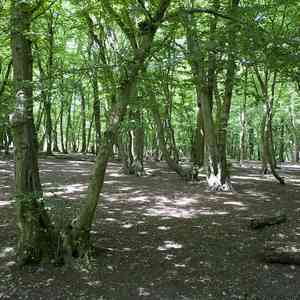
Common hornbeam (Carpinus betulus)
Also known as: European hornbeam, Ironwood
The European Larch (Larix decidua) is a deciduous conifer that typically thrives in scree forests on mountainside cliffs. This tree is known for its straight trunk and needle-like leaves that turn golden yellow in autumn. The bark of the European Larch is rough and scaly, developing a reddish-brown hue with age. It is frequently planted as an ornamental tree in parks across northwestern Europe.
In This Article
Attributes of Common hornbeam
Lifespan
Perennial
Plant Type
Tree
Plant Height
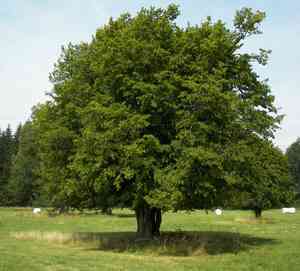
12 m to 18 m
Spread
9 m to 12 m
Leaf Color
Green Yellow Orange
Flower Size
4 cm
Flower Color
Yellow Green
Images of Common hornbeam
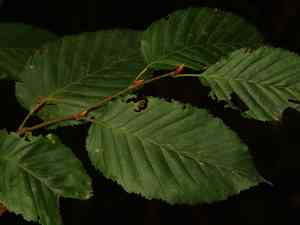
Quickly Identify Common hornbeam
1
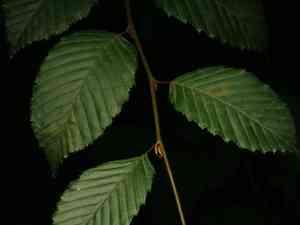
Distinctive ovate leaves with serrated edges, 2-4 inches (5-10 cm) long, turning yellow in autumn.
2
Small nutlet fruit enclosed by a three-lobed leafy bract, less than 0.5 inches (1.27 cm) in diameter.
3
Male catkins are short and yellow, female catkins longer and green, essential for wind pollination.
4
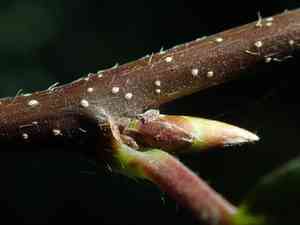
Slender reddish-brown twigs with lighter lenticels, forming delicate branching patterns.
5
Smooth bark in youth, developing shallow furrows as it matures, distinctive fluted trunk texture.
Scientific Classification of Common hornbeam
Phylum
Vascular plants
Class
Dicotyledons
Order
Beeches, walnuts, and allied trees
Family
Birch
Genus
Hornbeams
Species
Common hornbeam
Planting and Growing of Common hornbeam
Care Difficulty
Easy
Watering Schedule
Every 3 days
Sunlight Requirements
Full sun
Sunshine Duration
4-8 hours
Ideal Temperature
50-77℉
Soil Type
Potting Mix, Peat Mix
Soil pH
5.5-7.5
Fertilizer Type
Balanced
Pruning Season
Spring, Summer
Pruning Area
Branches, Leaves
Pruning Frequency
2 times a year
Repotting Season
Spring
Pot Type
Plastic, Ceramic
 How to Water Common hornbeam?
Carpinus betulus likes to reach a moisture balance that mimics its natural woodland habitat. Water deeply until the soil is moist but not waterlogged, roughly around 1000 ml, allowing excess water to drain out to prevent root rot.
What are the symptoms of an underwatered Common hornbeam?
›
What should I do if my Common hornbeam is not getting enough water?
›
What are the symptoms of an overwatered Common hornbeam?
›
How to save an overwatered Common hornbeam?
›
 What Are the Sunlight Requirements for Common hornbeam?
Carpinus betulus ideally sits between full sun to partial sun. This ensures the plant receives ample amounts of light for photosynthesis, promoting vibrant foliage, and strong structural growth. Adequate exposure diminishes risk of disease and bolsters overall vitality.
More About Sunlight Requirements Techniques→
What is the best light condition for Carpinus betulus?
›
How can I achieve the ideal light conditions?
›
Why is achieving the ideal light important?
›
 What Is the Ideal Temperature Range for Common hornbeam?
Carpinus betulus thrives best within a temperature range of 50 to 77 degrees Fahrenheit. This range supports optimal photosynthesis and minimizes stress, ensuring robust growth and healthy foliage.
 What Soil is Best for Common hornbeam?
Carpinus betulus prospers in well-drained soils that allow for proper air exchange and moisture retention. These conditions help prevent root rot and support healthy root development. Maintaining soil that is consistently moist but not waterlogged is crucial for Carpinus betulus. Adequate moisture levels promote vigorous growth and lush foliage while reducing stress during dry periods. Thriving Carpinus betulus plants require nutrient-rich soil that supports sustained growth and health. Fertile ground stimulates robust leaf production and enhances the plant's natural defenses against pests and diseases.
 How to Fertilize Common hornbeam?
When fertilizing Carpinus betulus, a general guideline is to use approximately 0.5 to 1 pound of complete fertilizer per inch of trunk diameter. This amount should be distributed evenly in the soil around the base of the tree, ensuring that it reaches the root zone for optimal absorption.
 How to Prune Common hornbeam?
Start by examining the overall structure of the Carpinus betulus. Identify dead, diseased, or crossing branches. Having a clear plan before cutting ensures you achieve the desired shape while promoting healthy growth. Begin by removing any dead wood and diseased branches. Make your cuts just above a bud or lateral branch, ensuring a clean cut to facilitate proper healing. Always cut at an angle to prevent water from sitting on the surface of the cut. Carefully prune to maintain a balanced and aesthetically pleasing shape. The goal is to have even light penetration through the canopy, facilitating balanced growth throughout the tree. Avoid a dense, impenetrable canopy to minimize the risk of fungi and other issues.
More About Pruning Techniques→
 How to Propagate Common hornbeam plant?
1
Collect seeds from mature Carpinus betulus in late autumn and stratify them by placing them in moist sand inside a refrigerator for approximately three months. This mimics winter conditions and improves germination rates.
2
Select semi-hardwood cuttings from a healthy parent plant during early summer. Cut sections approximately 10-15 cm in length and remove the leaves from the bottom half before dipping them in rooting hormone.
3
Select a low branch and bend it towards the ground, burying a portion of the stem in the soil. Secure it with a stake or stone, ensuring the buried part remains in contact with the soil, then wait for roots to develop.
 How to Repot Common hornbeam plant?
1
Carpinus betulus should be repotted when you notice its roots growing out of the drainage holes or becoming root-bound, causing poor growth. Spring and autumn are the best seasons to repot, as these periods of relatively mild weather promote root recovery and growth.
2
Select a pot slightly larger than the current one to give roots room to spread, improving stability and nutrient absorption. Ensure it has adequate drainage holes, preventing waterlogging and root rot, crucial for healthy root systems and overall plant health.
3
Choose a well-draining, loamy soil mix. This ensures that excess water drains away, reducing the risk of root rot. A mix with a balanced pH and good nutrient retention supports the tree's vigorous growth and resilience.



