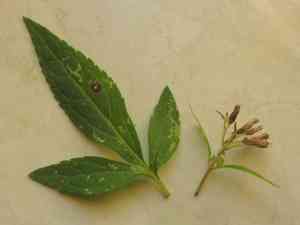
Bigelow's bristlehead (Carphochaete bigelovii)
Also known as: Tucson Beehive
Carphochaete bigelovii, known as Bigelow's bristlehead, belongs to the sunflower family. This species is indigenous to northern Mexico, including regions like Coahuila, Chihuahua, Durango, and Sonora, as well as the southwestern United States, specifically Arizona, New Mexico, and western Texas.
In This Article
Attributes of Bigelow's bristlehead
Lifespan
Perennial
Plant Type
Herb, Shrub
Plant Height
30 cm to 3.5 m
Spread
Approximately 0.5 meters (1.5 feet)
Leaf Color
Green
Flower Size
Approximately 1 cm (0.39 inches)
Flower Color
Purple petals with a yellowish center
Images of Bigelow's bristlehead
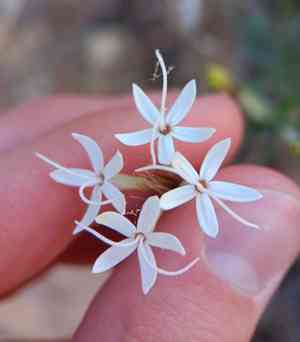
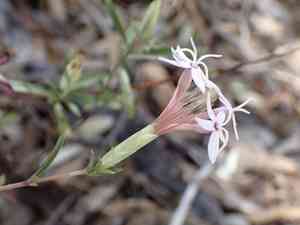
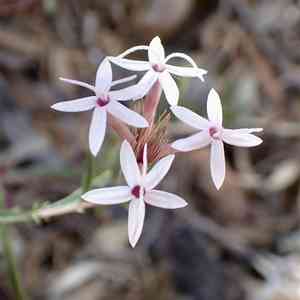
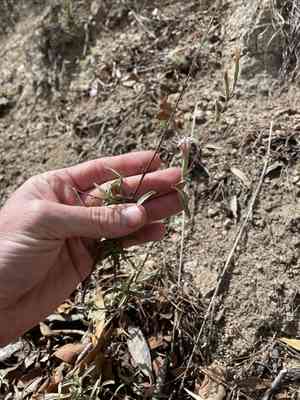
Quickly Identify Bigelow's bristlehead
1
Carphochaete bigelovii can be identified by its erect stems, which can reach up to 1 meter in height. The leaves are narrow and lance-shaped, and the flowers are small with purple petals and a central disk that is often yellowish. Look for its distinctive flowering clusters that bloom in the late summer to fall.
Scientific Classification of Bigelow's bristlehead
Phylum
Vascular plants
Class
Dicotyledons
Order
Asterales
Family
Daisy
Genus
Bristlehead
Species
Bigelow's bristlehead
Planting and Growing of Bigelow's bristlehead
Care Difficulty
Moderate
Watering Schedule
Every 2 days
Sunlight Requirements
Full sun
Sunshine Duration
6-10 hours
Ideal Temperature
70-85℉
Soil Type
Potting Mix, Peat Mix
Soil pH
6.5-7.5
Fertilizer Type
Balanced
Pruning Season
Spring, Summer
Pruning Area
Branches, Leaves
Pruning Frequency
2 times a year
Repotting Season
Spring
Pot Type
Plastic, Ceramic
 How to Water Bigelow's bristlehead?
Carphochaete bigelovii prefers soil that dries out between waterings. Watering should thoroughly moisten the soil but avoid waterlogging. A good rule is to water until the excess drains from the bottom of the pot.
What are the symptoms of an underwatered Bigelow's bristlehead?
›
What should I do if my Bigelow's bristlehead is not getting enough water?
›
What are the symptoms of an overwatered Bigelow's bristlehead?
›
How to save an overwatered Bigelow's bristlehead?
›
 What Are the Sunlight Requirements for Bigelow's bristlehead?
Carphochaete bigelovii requires a full sun environment, thriving with at least six hours of direct sunlight daily. This exposure encourages robust growth and abundant flowering, enhancing its visual appeal.
How much sunlight does Carphochaete bigelovii need?
›
What happens if it doesn't get enough light?
›
What are some solutions for providing ideal light?
›
 What Is the Ideal Temperature Range for Bigelow's bristlehead?
For Carphochaete bigelovii, maintaining a temperature between 70°F to 85°F is considered optimal for growth. This range allows the plant to photosynthesize efficiently while minimizing stress. Maintaining such temperatures ensures the plant's energy is directed towards growth and blooming, rather than temperature regulation. It's important to note that significant deviations from this range, even if temporary, can adversely affect the plant's vitality.
 What Soil is Best for Bigelow's bristlehead?
Carphochaete bigelovii thrives in well-draining soil. Good drainage prevents waterlogged roots, which can lead to root rot. Ensuring your soil has excellent drainage will maintain root health and promote vigorous growth. While not overly demanding, Carphochaete bigelovii enjoys a soil rich in organic matter. This enriches the soil structure, boosting microbial activity that breaks down nutrients for easier plant absorption. This plant prefers a neutral to slightly acidic pH balance. A stable pH environment ensures optimal nutrient availability and absorption, promoting overall plant health and growth.
 How to Fertilize Bigelow's bristlehead?
For Carphochaete bigelovii, the fertilizer amount should be modest. When using liquid fertilizers, a general guideline is to apply a balanced 20-20-20 liquid fertilizer diluted to half the recommended strength. Approximately 1 tablespoon (15 mL) per gallon of water is sufficient during the growing season. When using slow-release fertilizers, opt for a balanced formula such as 14-14-14, applying about one teaspoon per plant annually.
 How to Prune Bigelow's bristlehead?
Start by inspecting the plant for any dead, damaged, or diseased stems. Cut these back to the base. Trim back overgrown stems to maintain shape, cutting just above a leaf node for optimal growth. Remove any spent blooms to encourage new flowering. The ideal time to prune is in the early morning or late afternoon when the plant is not stressed by midday heat. This allows for better recovery and reduces dehydration.
More About Pruning Techniques→
 How to Propagate Bigelow's bristlehead plant?
1
First, fill the seed tray with seed-starting mix and evenly sprinkle the seeds over the soil surface. Lightly press the seeds into the soil and cover them with a thin layer of the mix. Mist the surface with water to keep it moist during germination.
2
Select healthy, non-flowering stems from the parent plant. Using a clean, sharp knife, cut 4-6 inch sections just below a node. Remove the lower leaves to reduce moisture loss and dip the cut end in rooting hormone.
3
Prepare pots with a well-draining potting mix. Insert the cuttings into the soil, ensuring at least two nodes are buried. Firm the soil around the cuttings and water lightly. Keep the pots in indirect light and maintain humidity using a plastic cover.
 How to Repot Bigelow's bristlehead plant?
1
Carphochaete bigelovii should be repotted when you notice roots growing out of the drainage holes or the plant seems to have stunted growth. Another sign is when the soil dries out too quickly after watering, indicating that the roots have taken up most of the pot space.
2
Selecting the right pot for Carphochaete bigelovii is crucial. Choose a pot that is about one size larger than the current one, ensuring it has adequate drainage holes. A slightly larger pot provides room for root growth, preventing water from sitting in the pot and causing root rot.
3
For soil selection, opt for a well-draining cactus mix to mimic the plant's natural habitat. This soil type prevents water retention, reducing the risk of root rot and ensuring the plant has the right environment to thrive and not over-saturate after watering.
Learn More About Bigelow's bristlehead Diseases
Anthracnose
Bacterial Leaf Spot
Bacterial Soft Rot
Bacterial Wilt
Black Spot
Chemical Injury
Crown Gall
Cyst Nematode
Damping-off
Downy Mildew
Drought Stress
Fusarium Wilt
Gray Mold
Leaf Curl
Leaf Spot
Mosaic
Nutrient Deficiency
Nutrient Toxicity
Powdery Mildew
Root Rot
Root-knot Nematode
Rusts
Sooty Mold
Spider Mites
Temperature Stress
Thrips Damage
White Mold



