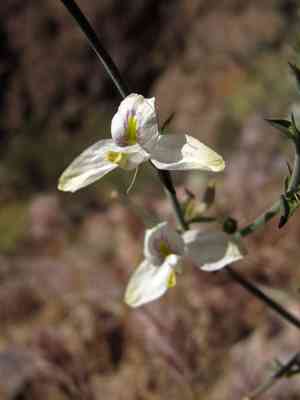
Carlowrightia (Carlowrightia) (Carlowrightia)
Also known as: Wright's Carlowrightia
Carlowrightia species are generally small shrubs that produce clusters of lily-like flowers. They are native to the Americas, with a significant number of species located in the southwestern United States and Mexico.
In This Article
Attributes of Carlowrightia (Carlowrightia)
Lifespan
Perennial
Plant Height
30-60 cm (1-2 feet)
Spread
20-30 cm (8-12 inches)
Leaf Color
Green
Flower Size
1-2 cm (0.4-0.8 inches)
Flower Color
Violet, Lavender
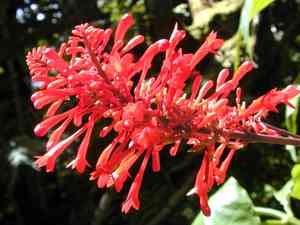
Images of Carlowrightia (Carlowrightia)
Quickly Identify Carlowrightia (Carlowrightia)
1
Plants in the Carlowrightia genus can be identified by their opposite leaves, tubular flowers, and four-sided stems. The flowers are typically violet or lavender and arranged in small clusters.
Scientific Classification of Carlowrightia (Carlowrightia)
Phylum
Magnoliophyta (Angiosperms)
Class
Magnoliopsida (Dicotyledons)
Order
Lamiales
Family
Acanthaceae
Genus
Carlowrightia
Planting and Growing of Carlowrightia (Carlowrightia)
Care Difficulty
Moderate
Watering Schedule
Every 2 days
Sunlight Requirements
Partial sun
Sunshine Duration
4-8 hours
Ideal Temperature
65-80℉
Soil Type
Potting Mix, Peat Mix
Soil pH
6.5-7.5
Fertilizer Type
Balanced
Pruning Season
Spring, Summer
Pruning Area
Branches, Leaves
Pruning Frequency
Once a year
Repotting Season
Spring
Pot Type
Ceramic, Plastic
 How to Water Carlowrightia (Carlowrightia)?
Carlowrightia requires careful watering attention. Aim to use around 250 ml of water per session. The key is to ensure the soil is moist, but not soggy. Allow the top inch of the soil to dry between waterings to prevent root rot. This plant prefers a somewhat arid environment, so replicate that in your home care routine.
What are the symptoms of an underwatered Carlowrightia (Carlowrightia)?
›
What should I do if my Carlowrightia (Carlowrightia) is not getting enough water?
›
What are the symptoms of an overwatered Carlowrightia (Carlowrightia)?
›
How to save an overwatered Carlowrightia (Carlowrightia)?
›
 What Are the Sunlight Requirements for Carlowrightia (Carlowrightia)?
Partial to full sun is ideal, letting Carlowrightia thrive with morning direct light and afternoon partial shade. This boosts photosynthesis, leading to vibrant blooms and healthy growth.
What type of sunlight does Carlowrightia need?
›
How to achieve the ideal light for Carlowrightia?
›
What benefits come with ideal lighting?
›
 What Is the Ideal Temperature Range for Carlowrightia (Carlowrightia)?
For Carlowrightia, the ideal temperature range for optimal growth is between 65°F and 80°F. Within this temperature range, the plant can photosynthesize effectively and maintain healthy metabolic processes. Implementing appropriate temperature controls is essential to achieve this optimal range and support vigorous growth.
 What Soil is Best for Carlowrightia (Carlowrightia)?
Carlowrightia thrives in well-drained soil to prevent root rot. The plant's roots need access to air, which well-drained soils provide, thereby ensuring healthy growth and a robust structure. While Carlowrightia enjoys well-drained soil, it also requires moderate moisture retention. This balances hydration levels in the root zone, ensuring that the plant stays hydrated without becoming waterlogged. A nutrient-rich substrate supports the vigorous growth of Carlowrightia. Essential nutrients in the soil provide the necessary building blocks for photosynthesis, flowering, and overall plant development.
 How to Fertilize Carlowrightia (Carlowrightia)?
For Carlowrightia, it is recommended to use a balanced fertilizer at a strength of one-quarter of the labeled rate. This means if the label suggests 1 tablespoon per gallon of water, use only 1 teaspoon per gallon to avoid over-fertilization. This reduced concentration helps ensure that the plant receives nutrients without risking root burn.
 How to Prune Carlowrightia (Carlowrightia)?
To prune Carlowrightia, use sharp, clean pruning shears to remove any dead or damaged branches. Focus on encouraging a bushy growth by cutting back the taller or leggy branches to a node or the base of a leaf. Ensure cuts are made at a 45-degree angle to prevent water accumulation, which can lead to rot. If your Carlowrightia is growing out of bounds, use pruning to shape the plant and control its size. Remove any crossing branches that cause crowding and thin the center to allow airflow and sunlight penetration. This practice will not only improve the plant's health but will also enhance its overall aesthetics.
 How to Propagate Carlowrightia (Carlowrightia) plant?
1
Choose a well-draining potting mix for both seeds and cuttings. The right medium should retain enough moisture to support root development yet allow excess water to escape to prevent rot. It's advisable to sterilize the medium before use.
2
Select healthy, non-flowering stems for cuttings. Cut sections approximately 4-6 inches in length. Remove any leaves from the lower half to ensure they don't touch the potting medium, which could cause rotting.
3
Sow seeds evenly over the prepared medium in seedling trays. Gently press them into the surface, then cover lightly with a thin layer of the medium. Maintain consistent moisture for optimal germination.
 How to Repot Carlowrightia (Carlowrightia) plant?
1
Repot Carlowrightia when you notice roots protruding from the drainage holes or when its growth seems stunted. Spring and summer are ideal times, as the plant will be actively growing and can adapt to new soil conditions more efficiently.
2
Choose a pot that is slightly larger in diameter than the current one. Ensure it has ample drainage holes; this prevents waterlogging, which can lead to root rot. A terracotta pot is ideal for its breathability, promoting root health.
3
Opt for a well-draining cactus mix. This type of soil mimics the plant's natural habitat, allowing excess water to drain quickly. It also provides the right amount of nutrients to support healthy growth while preventing root rot.
Learn More About Carlowrightia (Carlowrightia) Diseases
Anthracnose
Bacterial Leaf Spot
Bacterial Wilt
Chemical Injury
Damping-off
Downy Mildew
Drought Stress
Fusarium Wilt
Gray Mold
Leaf Curl
Leaf Spot
Mosaic
Nutrient Deficiency
Nutrient Toxicity
Powdery Mildew
Root Rot
Root-knot Nematode
Rusts
Sooty Mold
Spider Mites
Temperature Stress
Thrips Damage
White Mold

