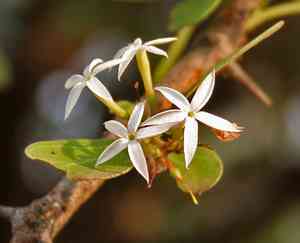
Carissa (Carissa) (Carissa)
Also known as: Natal Plum, Num Num
*Carissa* is a genus comprising tropical and subtropical evergreen shrubs and trees. Notably, some species within this genus produce a fruit called "natal plums," which are toxic when unripe but edible when ripe. These plants are frequently used in warm-climate parks and gardens for their ornamental value, thanks to their lush foliage and attractive flowers.
In This Article
Attributes of Carissa (Carissa)
Lifespan
Perennial
Plant Height
Up to 3 meters (10 feet)
Spread
Approximately 2-4 meters (6.5-13 feet)
Leaf Color
Glossy green
Flower Size
1.5-2.5 cm
Flower Color
White
Images of Carissa (Carissa)
Quickly Identify Carissa (Carissa)
1
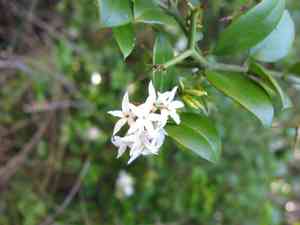
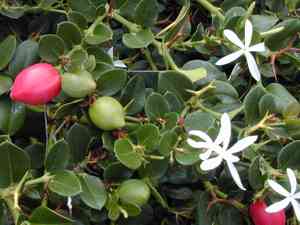
To identify Carissa, look for spiny branches, glossy oval leaves, and white, star-shaped flowers with a sweet fragrance. The plant also bears red or dark purple edible fruits similar to plums.
Scientific Classification of Carissa (Carissa)
Phylum
Magnoliophyta
Class
Magnoliopsida
Order
Gentianales
Family
Apocynaceae
Genus
Carissa
Planting and Growing of Carissa (Carissa)
Care Difficulty
Moderate
Watering Schedule
Every 2 days
Sunlight Requirements
Full sun
Sunshine Duration
4-6 hours
Ideal Temperature
68-77℉
Soil Type
Potting Mix, Peat Mix
Soil pH
5.5-7.5
Fertilizer Type
Balanced
Pruning Season
Spring, Summer
Pruning Area
Leaves, Branches
Pruning Frequency
2 times a year
Repotting Season
Spring
Pot Type
Plastic, Ceramic
 How to Water Carissa (Carissa)?
Carissa, a drought-tolerant plant, requires moderate watering. Ensure the soil dries out in between, and water until it starts to drain from the pot's bottom, which typically requires about 500ml of water.
What are the symptoms of an underwatered Carissa (Carissa)?
›
What should I do if my Carissa (Carissa) is not getting enough water?
›
What are the symptoms of an overwatered Carissa (Carissa)?
›
How to save an overwatered Carissa (Carissa)?
›
 What Are the Sunlight Requirements for Carissa (Carissa)?
The ideal range for Carissa is partial to full sun exposure. This balance enhances growth, promotes vibrant blooming, and strengthens the plant's structure.
What is the best lighting condition for Carissa?
›
How can I ensure my Carissa gets ideal light?
›
What benefits does proper lighting provide Carissa?
›
 What Is the Ideal Temperature Range for Carissa (Carissa)?
For Carissa plants, the ideal temperature range for optimal growth is between 68°F and 77°F. Within this range, the plant can efficiently photosynthesize and absorb nutrients, promoting healthy growth and development. Maintaining temperatures in this range can also help prevent stress that might lead to pest or disease issues.
 What Soil is Best for Carissa (Carissa)?
Carissa thrives in soil that is rich in nutrients. This ensures healthy growth and the development of vibrant foliage. A well-fed plant is more resistant to pests and diseases. Well-drained soil is essential for Carissa to prevent root rot. Excess water must drain quickly to avoid waterlogging, which can damage the roots, ensuring a strong and healthy plant structure. The soil should retain some moisture without becoming soggy. Consistent moisture levels support steady growth and flowering while preventing stress-related issues.
 How to Fertilize Carissa (Carissa)?
For Carissa, the ideal amount of fertilizer should be moderated to ensure healthy growth without overloading the plant. Generally, a liquid fertilizer with a concentration of 10-10-10 should be diluted to half its strength, applying approximately 100-200 ml per plant during each feeding.
 How to Prune Carissa (Carissa)?
Begin by removing any dead or diseased wood to prevent the spread of disease. Then, cut back any overly long branches to encourage a bushier form. Trim the Carissa to the desired shape by cutting back stems above a node. This will encourage new growth and help achieve a tidy appearance. After pruning, water the plant thoroughly and consider applying a balanced fertilizer to support new growth during the recovery phase.
 How to Propagate Carissa (Carissa) plant?
1
Choose a healthy and disease-free Carissa plant from which to take cuttings or seeds. Look for vibrant foliage and robust stems, which indicate a healthy plant capable of producing strong progeny.
2
Cut a 4-6 inch section of the stem just below a node. Strip off the lower leaves to expose nodes, which encourages root development. Dip the cut end in rooting hormone before planting.
3
If propagating by seeds, sow the seeds in a well-draining soil mixture, cover with a thin layer of compost. Keep the soil consistently moist and place the container in a warm, indirect light location.
 How to Repot Carissa (Carissa) plant?
1
You should repot your Carissa plant when you notice roots coming out of the drainage holes or when it starts to look cramped in its current pot. The best time to observe these signs is during the active growing season. Additionally, if the soil seems depleted or the plant appears stunted, it might be time to consider repotting.
2
Select a pot that has sufficient drainage holes to prevent waterlogging. The new pot should only be slightly larger—about one to two inches in diameter—than the current one. This ensures the plant isn't overwhelmed by too much soil, which can lead to root rot. A clay or ceramic pot is ideal as it allows roots to breathe, providing optimal growth conditions.
3
Opt for a well-draining potting mix, ideally one that includes perlite or sand to improve aeration. This type of soil prevents water from lingering around the roots, reducing the risk of root rot. It's crucial because Carissa plants prefer a balanced blend that supports both moisture retention and drainage, ensuring healthy root development.
Toxicity
ingestion
WARNING
The judgment on toxicity and danger is for reference only. We DO NOT GUARANTEE any accuracy of such judgment. Therefore, you SHALL NOT rely on such judgment. It is IMPORTANT TO SEEK PROFESSIONAL ADVICE in advance when necessary.

