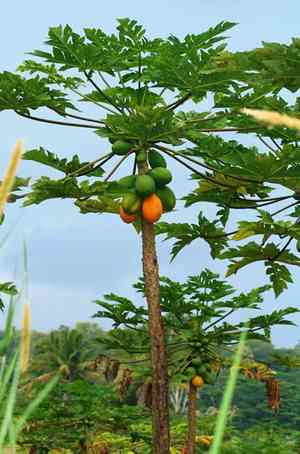
Papaya (Carica papaya)
Also known as: Pawpaw
Papaya, a fruit-producing plant native to southern Mexico and Central America, offers sweet and juicy fruits when ripe. The plant's milky sap contains an enzyme called papain, which is widely used as a meat tenderizer but can be toxic if consumed in large quantities. Growing papaya in your garden can attract various bird species, adding life to your landscape.
Attributes of Papaya
Images of Papaya
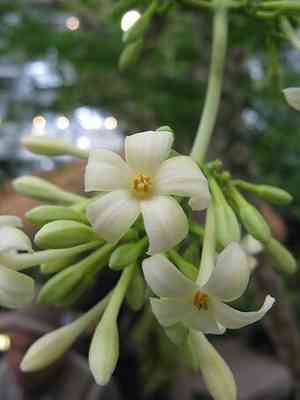
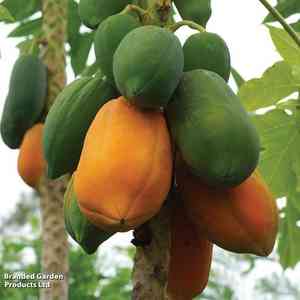
Quickly Identify Papaya
Scientific Classification of Papaya
Planting and Growing of Papaya
 How to Water Papaya?
 What Are the Sunlight Requirements for Papaya?
 What Is the Ideal Temperature Range for Papaya?
 What Soil is Best for Papaya?
 How to Fertilize Papaya?
 How to Prune Papaya?
 How to Propagate Papaya plant?
 How to Repot Papaya plant?
Toxicity of Papaya
Is Papaya toxic to cat?
Papaya carries a low risk of toxicity for cats if ingested in significant amounts. The main issue stems from the unripe fruit, which may cause physical discomfort and exhibit illness symptoms in cats. After such ingestion, pet owners should closely monitor their cats for any alterations in behavior or health, and in cases of suspected poisoning, it is crucial to promptly consult a veterinarian to safeguard the well-being of the affected feline.
Is Papaya toxic to dog?
Papaya is identified as having mild toxicity for dogs. If consumed in large quantities, dogs may experience poisoning from this plant. The unripe fruit of papaya is particularly hazardous and should be kept away from pets. Should a dog consume a considerable amount of the unripe fruit, they might show symptoms like gastrointestinal distress or other mild reactions. Dog owners must watch their pets closely and restrict access to these fruits. If a dog ingests papaya and exhibits signs of poisoning, it is vital to seek prompt veterinary assistance to guarantee appropriate treatment and recovery.



