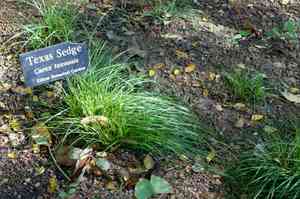
Texas sedge (Carex texensis)
Also known as: Texas sedge, Texas tussock sedge
The culms range from 10 to 30 cm tall, with a base width of 0.5 to 1 mm and tapering to 0.4 to 0.5 mm at the top. The leaf blades are green, measuring 1 to 1.7 mm at their widest point.
In This Article
Attributes of Texas sedge
Lifespan
Perennial
Plant Type
Grass
Plant Height
0 mm to 30 cm
Spread
10 cm
Leaf Color
Green
Flower Size
Small (less than 1 centimeter)
Flower Color
Greenish-brown
Images of Texas sedge
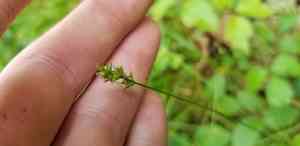

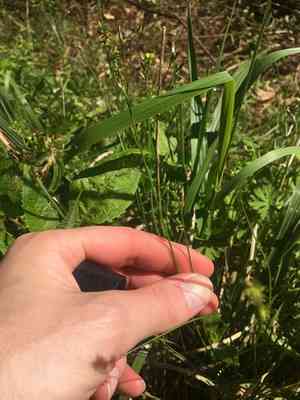
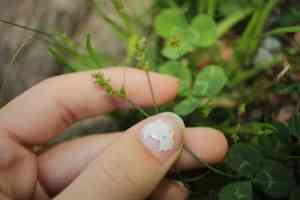
Quickly Identify Texas sedge
1
Medium-green, grass-like leaves arch gracefully at 4-6 inches (10-15 cm) height.
2
Green flowers transition to brown, arranged in spiklets from March to May.
3
Linear leaves with parallel veins, 0.1-0.4 inches (0.3-1 cm) wide and up to 12 inches (30 cm) long.
Scientific Classification of Texas sedge
Phylum
Vascular plants
Class
Monocotyledons
Order
Poales
Family
Sedge
Genus
True sedges
Species
Texas sedge
Planting and Growing of Texas sedge
Care Difficulty
Easy
Watering Schedule
Every 4 days
Sunlight Requirements
Partial sun
Sunshine Duration
6-10 hours
Ideal Temperature
60-75℉
Soil Type
Potting Mix, Peat Mix
Soil pH
6.5-7.5
Fertilizer Type
Balanced
Pruning Season
Spring, Summer
Pruning Area
Branches, Leaves
Pruning Frequency
2 times a year
Repotting Season
Spring
Pot Type
Plastic, Ceramic
 How to Water Texas sedge?
For Carex texensis, it's essential to maintain consistent moisture without waterlogging the soil. Use approximately 200 milliliters of water per session, ensuring the soil remains evenly moist but not soaked. This approach ensures that the roots receive adequate hydration without risking rot or fungal issues.
What are the symptoms of an underwatered Texas sedge?
›
What should I do if my Texas sedge is not getting enough water?
›
What are the symptoms of an overwatered Texas sedge?
›
How to save an overwatered Texas sedge?
›
 What Are the Sunlight Requirements for Texas sedge?
Partial sun or full shade conditions are ideal, ensuring Carex texensis thrives without stress from excessive direct sunlight. Optimal light conditions support vigorous growth, healthy foliage, and improved disease resistance.
What is the best location to plant Carex texensis?
›
How can I simulate partial sun for indoor planting?
›
How does the correct lighting affect its growth?
›
 What Is the Ideal Temperature Range for Texas sedge?
For optimal growth and development, Carex texensis thrives best within a temperature range of 60-75°F. These temperatures ensure that the plant can effectively carry out its physiological processes such as photosynthesis, respiration, and nutrient uptake. Maintaining this temperature range helps maximize growth and maintain plant vigor.
 What Soil is Best for Texas sedge?
Carex texensis thrives in well-draining soil that prevents waterlogging, crucial for avoiding root rot and ensuring the roots receive adequate oxygen. This soil attribute supports robust plant growth and reduces maintenance needs. Incorporating organic matter, such as compost, into the soil enhances nutrient availability and moisture retention, aiding the plant in establishing a healthy root system and promoting vigorous foliage. A nutritionally fertile substrate is key for Carex texensis to achieve optimal growth. Essential nutrients derived from the soil support the plant's metabolic processes, improving resilience against pests and diseases.
 How to Fertilize Texas sedge?
For Carex texensis, applying the appropriate amount of fertilizer is crucial. Use a balanced 10-10-10 liquid fertilizer, diluted to half strength, for monthly applications. This ensures the plant receives a steady supply of nutrients without overwhelming its root system.
 How to Prune Texas sedge?
Begin by examining the plant carefully for any leaves that appear brown, dead, or damaged. These are your primary targets for removal. Carefully snip these leaves at the base to keep the overall appearance tidy. Trim back overgrown sections that might be sprawling into unwanted areas, maintaining a neat, compact appearance. This step involves more detailed cuts to shape the plant, enhancing its natural form without overly restricting its growth.
More About Pruning Techniques→
 How to Propagate Texas sedge plant?
1
Fill seed trays with a well-draining potting mix. Moisten the mix before sowing the seeds to provide an optimal germination environment. Lightly press the seeds into the soil, ensuring they have good contact with the substrate.
2
Place Carex texensis seeds onto the moistened potting mix in your tray. Cover lightly with a thin layer of the potting mix, as seeds require some light for germination. Mist the surface gently to avoid washing away the seeds.
3
For division propagation, use a sharp spade to dig up a mature Carex texensis clump. Gently separate the clump into smaller sections, ensuring each division has roots attached. Replant divisions promptly to reduce stress.
 How to Repot Texas sedge plant?
1
It's time to repot Carex texensis when you notice its roots are coming out of the drainage holes or the plant appears stunted and isn't growing as vigorously as it should. Spring provides the optimal conditions for the plant to establish in its new pot, providing sufficient time to acclimate before the more extreme temperatures of summer or winter.
2
Choose a pot that is only slightly larger (1-2 inches) than the current one, with good drainage holes. A slightly larger pot allows the roots to expand without overwhelming the plant with too much soil, which can hold excess moisture and lead to root rot. Adequate drainage ensures excess water can escape, preventing waterlogging.
3
Opt for a well-draining potting mix that retains some moisture but does not remain waterlogged. A mixture with a balance of sand, peat, and organic matter allows air to circulate through the soil, promoting healthy root growth and preventing root diseases.



