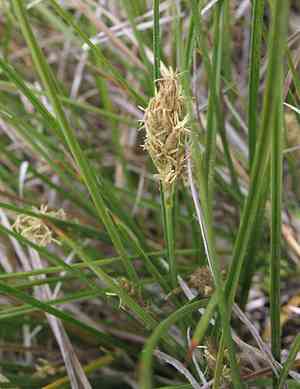
Clustered Field Sedge (Carex praegracilis)
Also known as: Field Sedge, Western Meadow Sedge, Very Slender Sedge
The Clustered Field Sedge (Carex praegracilis) is a perennial that typically blooms in the spring. It thrives in moist to wet environments, such as along streams, lakes, and ditches. Native to the western United States, it is highly resilient with no significant issues from diseases or pests. Additionally, it is effective in erosion control.
In This Article
Attributes of Clustered Field Sedge
Lifespan
Perennial
Plant Type
Grass
Plant Height
61 cm to 91 cm
Spread
50 cm
Leaf Color
Green
Flower Size
0.5 to 1 cm
Flower Color
Brown Yellow Green Red
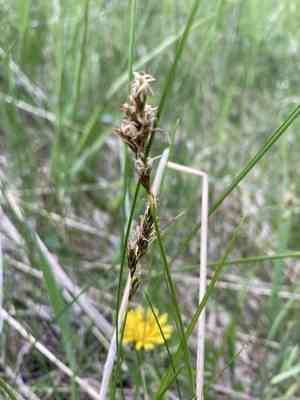
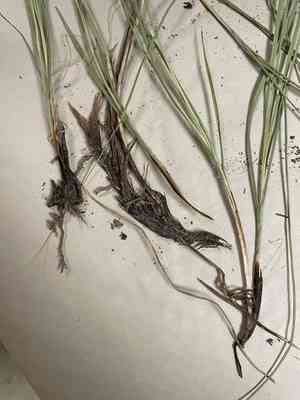
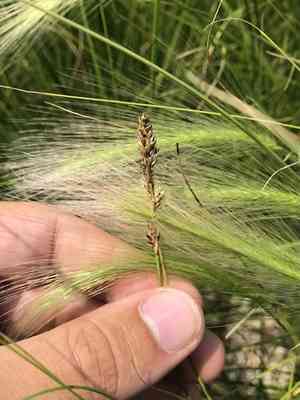
Images of Clustered Field Sedge
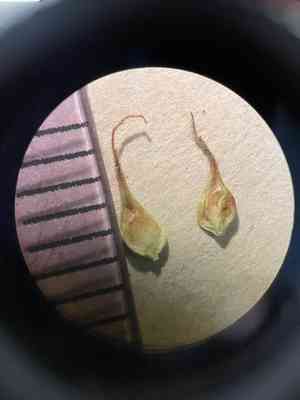
Quickly Identify Clustered Field Sedge
1
Dense, turf-like appearance
2
Withstands moderate foot traffic
3
Spread through rhizomes
4
Adapted to full sun to partial shade
5
Survives temperatures down to at least 10 F (-12 C)
Scientific Classification of Clustered Field Sedge
Phylum
Vascular plants
Class
Monocotyledons
Order
Poales
Family
Sedge
Genus
True sedges
Species
Clustered Field Sedge
Planting and Growing of Clustered Field Sedge
Care Difficulty
Easy
Watering Schedule
Every 2 days
Sunlight Requirements
Full sun
Sunshine Duration
4-8 hours
Ideal Temperature
50-77℉
Soil Type
Potting Mix, Peat Mix
Soil pH
6.5-7.5
Fertilizer Type
Balanced
Pruning Season
Spring, Summer
Pruning Area
Branches, Leaves
Pruning Frequency
2 times a year
Repotting Season
Spring
Pot Type
Plastic, Terracotta
 How to Water Clustered Field Sedge?
For Carex praegracilis, it is essential to water until the soil feels consistently moist but not waterlogged. Providing approximately 500 ml of water helps ensure that moisture reaches deeper roots without pooling excess water, which could lead to root rot. Adjust the amount based on seasonal evaporation rates to prevent any water stress.
What are the symptoms of an underwatered Clustered Field Sedge?
›
What should I do if my Clustered Field Sedge is not getting enough water?
›
What are the symptoms of an overwatered Clustered Field Sedge?
›
How to save an overwatered Clustered Field Sedge?
›
 What Are the Sunlight Requirements for Clustered Field Sedge?
Carex praegracilis thrives best in environments offering full sun to partial sun, ranging from six to eight hours of light daily. These conditions enhance its visual appeal and robustness, making it well-suited for garden landscapes.
More About Sunlight Requirements Techniques→
Solution for Ideal Lighting
›
Specific Measures for Ideal Light
›
Benefits of Ideal Light
›
 What Is the Ideal Temperature Range for Clustered Field Sedge?
Carex praegracilis thrives best in temperatures ranging from 50°F to 77°F. Within this range, the plant can efficiently perform photosynthesis, maintain water balance, and carry out other vital metabolic processes. The physiological and biochemical processes at these temperatures are optimal for growth and development.
 What Soil is Best for Clustered Field Sedge?
This plant does well in soils that retain moisture but still drain well. The balance of these properties helps the roots to access water consistently, which is crucial for maintaining the plant's lush green appearance and overall health. Nutrient-rich soil gives the plant access to the necessary minerals and elements it needs to grow robustly. Rich loamy soils are particularly beneficial, as they provide a deep reservoir of nutrients that support healthy foliage and fine texture. Carex praegracilis thrives in well-drained soils to prevent waterlogging, which can lead to root rot. Well-draining conditions ensure that the roots can breathe, promoting a healthy root system that is essential for the plant's stability and nutrient uptake.
 How to Fertilize Clustered Field Sedge?
For Carex praegracilis, moderate fertilization is key. Use half the recommended dose of a balanced liquid fertilizer every two weeks during the growing season. This subtle approach ensures nutrients without the risk of chemical burn.
 How to Prune Clustered Field Sedge?
Begin by removing any dead or yellowing leaves to tidy up the plant. Use sharp, clean scissors or pruning shears to avoid jagged cuts. Trim back older growth at the base to allow room for fresh foliage to emerge. Maintain the dome-like shape that is characteristic of this sedge. Ensure tools are sterilized before and after pruning to prevent the spread of disease. Cutting just above leaf nodes or clusters facilitates optimal regrowth.
More About Pruning Techniques→
 How to Propagate Clustered Field Sedge plant?
1
Collect seeds from mature plants in late summer. Clean and dry them thoroughly to prevent mold growth. Store them in a cool, dry place until you are ready to sow them. Before sowing, it’s recommended to soak seeds in water for 24 hours to enhance germination.
2
For division, use a garden spade to dig up a mature clump of Carex praegracilis in early spring or early autumn. Gently shake off excess soil and use a sharp knife or spade to separate the clump into smaller sections, ensuring that each section has roots and shoots.
3
Sow seeds in seed trays filled with well-draining potting mix or plant divided sections back into the soil immediately. Water the planted seeds or divisions regularly, ensuring that the soil remains moist but not waterlogged. Mulch around divisions to retain soil moisture and suppress weeds.
 How to Repot Clustered Field Sedge plant?
1
Carex praegracilis should be repotted when you observe roots coming out of the drainage holes or the soil drying out quickly after watering. These signs indicate that the plant has outgrown its current pot. Repotting during its active growing seasons - Spring or Summer - is ideal as it gives the plant a chance to establish itself more comfortably.
2
Selecting the right pot is crucial for the successful growth of Carex praegracilis. Opt for a slightly larger pot than the current one, with ample drainage holes at the bottom. A pot that is too large may retain excess water, leading to root rot, while a pot that is too small will not accommodate new growth, stunting the plant's development.
3
For Carex praegracilis, a well-draining loamy soil mix is optimal. This type of soil allows excess water to escape while retaining sufficient moisture for the plant to thrive. Well-draining soils help prevent root rot and associated diseases by avoiding waterlogged conditions.



