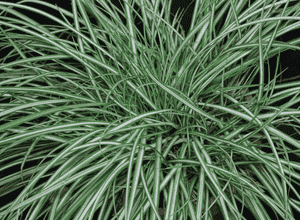
Bird's-foot sedge (Carex ornithopoda)
Also known as: Bird’s-foot Sedge, Carex ornithopoda
The bird's foot sedge is a perennial plant that grows in small clumps and has a central, sterile leaf rosette. It is 8 to 15 cm high. The stems are lateral and upright, approximately stalk-round and rough in the upper area. The leaves are usually under 10 cm long, 1 to 3 mm wide. They are rough, pale green and slightly shiny. The leaf margin is rough.
In This Article
Attributes of Bird's-foot sedge
Lifespan
Perennial
Plant Type
Herb
Plant Height
10-30 cm
Spread
10-20 cm
Leaf Color
Green
Flower Size
0.3-0.5 cm
Flower Color
Yellow Green Brown
Images of Bird's-foot sedge
Quickly Identify Bird's-foot sedge
1
To identify Carex ornithopoda, look for its distinctive bird-foot-like spikelets and the triangular cross-section of its stems. The leaves are narrow, and the plant grows in dense tufts.
Scientific Classification of Bird's-foot sedge
Phylum
Vascular plants
Class
Monocotyledons
Order
Poales
Family
Sedge
Genus
True sedges
Species
Bird's-foot sedge
Planting and Growing of Bird's-foot sedge
Care Difficulty
Easy
Watering Schedule
Every 2 days
Sunlight Requirements
Partial sun
Sunshine Duration
4-8 hours
Ideal Temperature
60-75℉
Soil Type
Potting Mix, Peat Mix
Soil pH
6.5-7.5
Fertilizer Type
Balanced
Pruning Season
Spring, Summer
Pruning Area
Branches, Leaves
Pruning Frequency
Once a year
Repotting Season
Spring
Pot Type
Plastic, Ceramic
 How to Water Bird's-foot sedge?
The watering amount for Carex ornithopoda should be enough to moisten the soil thoroughly without making it waterlogged. Aim for around 150 ml per session, ensuring water reaches the root zone. It's essential to follow a soak-and-dry principle, allowing the soil to dry out slightly between waterings. Avoid letting the plant sit in standing water as this may lead to root rot.
What are the symptoms of an underwatered Bird's-foot sedge?
›
What should I do if my Bird's-foot sedge is not getting enough water?
›
What are the symptoms of an overwatered Bird's-foot sedge?
›
How to save an overwatered Bird's-foot sedge?
›
 What Are the Sunlight Requirements for Bird's-foot sedge?
Partial sun/filtered light is ideal; it supports optimal foliage health and growth by balancing light and shade, ensuring the plant becomes lush and well-formed.
How much light does it need?
›
What are the solutions for ideal lighting?
›
What benefits does ideal lighting bring?
›
 What Is the Ideal Temperature Range for Bird's-foot sedge?
For optimal growth, Carex ornithopoda thrives in temperatures between 60°F and 75°F. This range supports vigorous growth and healthy root development. Temperatures in this bracket allow the plant to adequately photosynthesize while maintaining its metabolic processes effectively.
 What Soil is Best for Bird's-foot sedge?
Carex ornithopoda prefers soils with good moisture retention to support its growth and maintain its lush, green foliage. This aids in preventing the plant from drying out, especially during drier seasons, ensuring vigorous and healthy development. A nutrient-rich substrate is crucial for Carex ornithopoda, as it supports the plant's robust root development and encourages vibrant foliage. Providing a soil enriched with organic matter ensures that the plant receives ample nutrients for optimal growth. Ensuring the soil has good drainage is vital to prevent waterlogging, which could lead to root rot in Carex ornithopoda. This plant thrives in environments where excess water can easily escape, preserving the health of its root system.
 How to Fertilize Bird's-foot sedge?
For Carex ornithopoda, a gentle touch is key. Typically, use a balanced fertilizer diluted to about half strength. Think of this plant as a light eater, preferring less quantity but regular nourishment.
 How to Prune Bird's-foot sedge?
Choose a dry day in spring or autumn for the best results. This reduces the chance of spreading water-borne diseases and gives the plant ample recovery time. Ensure you use sharp, clean scissors or pruning shears. Dull tools can cause damage to the plant, making it more susceptible to infections. Begin by removing any dead or discolored leaves. This helps the plant direct its energy towards healthy growth. Gently trim the edges to maintain the plant’s natural arching habit. This not only enhances aesthetic appeal but also ensures good airflow through the foliage.
 How to Propagate Bird's-foot sedge plant?
1
Water the Carex ornithopoda thoroughly a day before division. This ensures the soil is moist, making it easier to dig up the plant without disturbing the roots excessively.
2
Carefully dig around the base of the plant with a spade. Lift the plant from the ground and gently separate the plant into sections, ensuring each division includes roots and shoots.
3
Once divided, plant each section at the same depth as the original. Space them appropriately to allow for growth, and water thoroughly to help them establish in their new locations.
 How to Repot Bird's-foot sedge plant?
1
Repot your Carex ornithopoda when you notice roots emerging from the drainage holes, or the plant has ceased to thrive in its current environment. These signs indicate that it has likely outgrown its pot, requiring more space for root expansion. Spring and autumn offer the ideal balance of temperature and daylight, aiding recovery post-repotting.
2
Select a pot that is one size larger than the current one, ensuring it has drainage holes to prevent waterlogging. The increased space allows roots to extend, while the drainage holes prevent root rot, maintaining the plant's overall health and vitality.
3
Opt for a well-draining loamy mix to ensure adequate moisture retention while preventing waterlogging. Such soil promotes healthy root development and provides essential nutrients, ensuring your Carex ornithopoda remains robust and vibrant in its new home.



