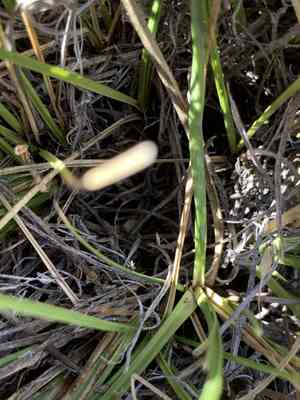
Grassyslope sedge (Carex oreocharis)
Also known as: Mountain Sedge
Grassyslope sedge is characterized by its slender, arching leaves and subtle green hues. Ideal growth conditions include moist, shaded areas where it can form dense clusters. Its small, clustered flower spikes blend seamlessly with the foliage, highlighting its unobtrusive presence in its native environment.
In This Article
Attributes of Grassyslope sedge
Lifespan
Perennial
Plant Type
Grass
Plant Height
30-60 cm
Spread
Clump-forming, not applicable
Leaf Color
Green
Flower Size
N/A
Flower Color
Brownish
Images of Grassyslope sedge
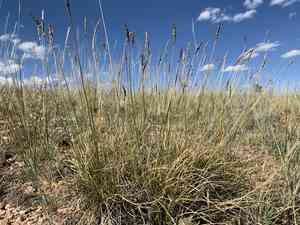
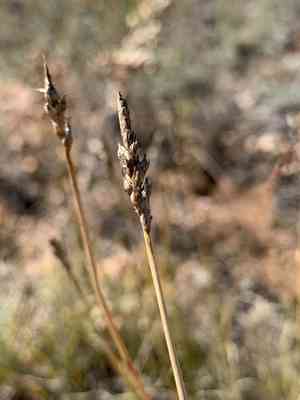
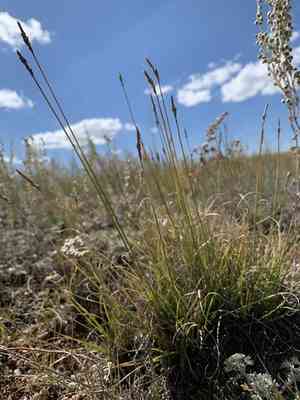
Quickly Identify Grassyslope sedge
1
Carex oreocharis can be identified by its grass-like leaves, which are often narrower and more rigid than those of true grasses. The flowering spikes are typically brownish and the plant produces small, nut-like seeds.
Scientific Classification of Grassyslope sedge
Phylum
Vascular plants
Class
Monocotyledons
Order
Poales
Family
Sedge
Genus
True sedges
Species
Grassyslope sedge
Planting and Growing of Grassyslope sedge
Care Difficulty
Moderate
Watering Schedule
Every 2 days
Sunlight Requirements
Partial sun
Sunshine Duration
6-10 hours
Ideal Temperature
60-75℉
Soil Type
Potting Mix, Peat Mix
Soil pH
6.5-7.5
Fertilizer Type
Balanced
Pruning Season
Spring, Summer
Pruning Area
Branches, Leaves
Pruning Frequency
2 times a year
Repotting Season
Spring
Pot Type
Plastic, Ceramic
 How to Water Grassyslope sedge?
For Carex oreocharis, it's crucial to water until the topsoil feels moist but not soggy. Ensure the water seeps through the drainage holes to prevent waterlogging, which could harm the root system—a balanced approach is key here.
What are the symptoms of an underwatered Grassyslope sedge?
›
What should I do if my Grassyslope sedge is not getting enough water?
›
What are the symptoms of an overwatered Grassyslope sedge?
›
How to save an overwatered Grassyslope sedge?
›
 What Are the Sunlight Requirements for Grassyslope sedge?
A partial sun environment, offering 4 to 6 hours of light daily, enhances Carex oreocharis’s health by supporting adequate photosynthesis and ensuring steady growth without the risks of light-induced stress.
What is the best location for Carex oreocharis?
›
How can I ensure my Carex oreocharis gets ideal lighting?
›
What benefits does Carex oreocharis receive from ideal lighting?
›
 What Is the Ideal Temperature Range for Grassyslope sedge?
The ideal temperature range for Carex oreocharis is between 60°F and 75°F. This range ensures optimal growth and maintains the plant's foliage attractiveness. Keeping temperatures within these bounds promotes effective photosynthesis and healthy development.
 What Soil is Best for Grassyslope sedge?
Carex oreocharis prefers well-drained soil which allows excess water to flow away easily. This reduces root rot risk and promotes healthy root development, essential for the plant's growth. Nutrient-rich soil that is high in organic matter sustains Carex oreocharis's growth. It provides essential nutrients which enhance foliage quality and promote vigorous plant development. The soil must hold moisture without becoming waterlogged. This equilibrium ensures the roots remain hydrated during dry spells, while still allowing necessary air circulation.
 How to Fertilize Grassyslope sedge?
Carex oreocharis benefits from a balanced application of nutrients. Typically, a diluted liquid fertilizer with an N-P-K ratio of 10-10-10 at a concentration of 1/4 of the recommended dose is appropriate. This ensures that the plants receive adequate nutrients without the risk of nutrient burn, which can occur if the concentration is too high.
 How to Prune Grassyslope sedge?
Start by removing any brown or dead leaves. Trim these back to the base of the plant to encourage new growth. This also allows sunlight and air to reach the center of the plant, promoting a healthy environment. Gently shape the plant by trimming overgrown areas. Be careful not to remove more than one-third of the plant to avoid shock. Thinning also helps with air circulation, preventing mold and mildew.
More About Pruning Techniques→
 How to Propagate Grassyslope sedge plant?
1
Start by filling seed trays with a mixture of peat and sand. Sow the Carex oreocharis seeds lightly on the surface and cover them with a thin layer of soil. Water gently and place them in a warm environment with indirect sunlight.
2
In early spring, carefully dig up a mature Carex oreocharis clump. Use a gardening knife to divide the roots, ensuring each division has an adequate amount of roots and shoots for successful growth in a new location.
3
Once the seedlings have established a strong root system, typically a few inches in height, they should be moved to larger pots or directly into garden beds. Ensure the soil is well-drained and enriched with organic material.
 How to Repot Grassyslope sedge plant?
1
Repotting Carex oreocharis is essential when you notice roots visibly growing out of the drainage holes or the soil compacted significantly. Also, if the plant shows signs of distress, such as slowed growth, it might indicate the necessity for repotting. Observe the plant closely, particularly at the end of Spring and throughout Summer, when they are most active in growth and primed for repotting.
2
When selecting a pot for Carex oreocharis, opt for one that is slightly larger than the current pot, ideally 1-2 inches wider in diameter. The advantage of choosing a slightly larger pot is that it provides adequate room for root expansion without overwhelming the plant with too much soil, which can retain excess moisture and risk root rot.
3
Choosing the right soil is crucial for the health of Carex oreocharis. A well-draining loamy mix is ideal, as it ensures that water does not stagnate in the pot, which could lead to root rot. This soil type retains enough moisture to keep the roots hydrated while allowing excess water to escape, creating a balanced growing environment.
Learn More About Grassyslope sedge Diseases
Anthracnose
Bacterial Leaf Spot
Bacterial Soft Rot
Bacterial Wilt
Crown Gall
Cyst Nematode
Damping-off
Downy Mildew
Drought Stress
Fusarium Wilt
Gray Mold
Leaf Spot
Mosaic
Nutrient Deficiency
Nutrient Toxicity
Powdery Mildew
Root Rot
Root-knot Nematode
Rusts
Sooty Mold
Spider Mites
Temperature Stress
Thrips Damage
White Mold



