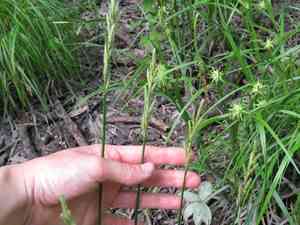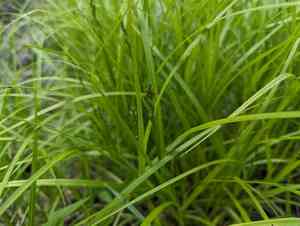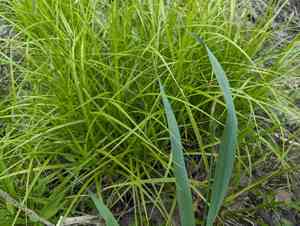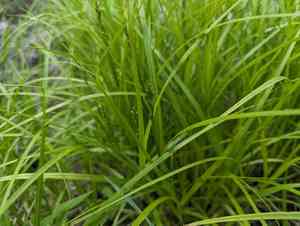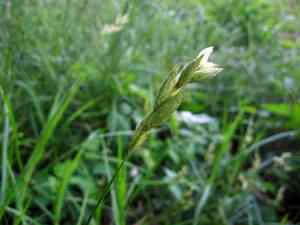
Palm sedge(Carex muskingumensis)

Palm sedge (Carex muskingumensis)

Also known as: Muskingumensis carex sedge, Palm branch sedge

Palm sedge (Carex muskingumensis) is a perennial native to North America, notable for its unique, palm-like foliage. This plant forms dense clumps with bright green leaves that fan out from the stem, creating a tropical appearance. It typically blooms with cream to golden-yellow flowers.

Key characteristics include:

1. **Distinctive Foliage**: Leaves radiate from the stem, giving a palm-like look.
2. **Growth Habit**: Forms dense clumps and can reach 1-3 feet in height.
3. **Flowering**: Produces cream to golden-yellow flowers.
4. **Habitat**: Prefers moist, shaded to partially shaded environments.

Benefits:

1. **Wildlife Support**: Provides a food source and habitat for birds and other wildlife.
2. **Erosion Control**: Its extensive root system helps stabilize soil in erosion-prone areas.
3. **Low Maintenance**: Once established, it requires minimal care and is resistant to pests and diseases.
4. **Aesthetic Value**: Adds texture and a lush, tropical feel to garden landscapes.

The genus name Carex, meaning “cutter” in Latin, refers to the plant's sharp-edged leaves and stems. Palm sedge is appreciated for its ornamental qualities and ecological benefits, making it a valuable addition to native plant gardens.

Attributes of Palm sedge

Lifespan
Perennial
Plant Type
Grass
Plant Height
61 cm to 91 cm
Spread
60 cm to 90 cm
Leaf Color
Green
Flower Size
5 cm to 9 cm
Flower Color
Green Brown Yellow Gold

PlantJoy - Identify plants with a snap

Identify and diagnose plants, get toxicity alerts, and explore safety guides for all types of fungi.

Try for Free

Images of Palm sedge

Palm sedge(Carex muskingumensis)

Quickly Identify Palm sedge

1
Rhizome network for growth and resilience.
2
Medium green, slender leaves with pointed tips.
3
Leaves transition to striking yellow in autumn.
4
Sturdy stems support tufted appearance.
5
Can adapt to varying moisture conditions.

Scientific Classification of Palm sedge

Phylum
Vascular plants
Class
Monocotyledons
Order
Poales
Family
Sedge
Genus
True sedges
Species
Palm sedge

Planting and Growing of Palm sedge

Care Difficulty
Easy
Watering Schedule
Every 8 days
Sunlight Requirements
Partial sun
Sunshine Duration
4-8 hours
Ideal Temperature
65-75℉
Soil Type
Potting Mix, Peat Mix
Soil pH
6.5-7.5
Fertilizer Type
Balanced
Pruning Season
Spring, Summer
Pruning Area
Branches, Leaves
Pruning Frequency
2 times a year
Repotting Season
Spring
Pot Type
Plastic, Ceramic

water icon How to Water Palm sedge?

For Carex muskingumensis, it is crucial to maintain consistently moist soil without allowing it to become waterlogged. Aim to provide around 500 ml of water per session, ensuring the soil feels evenly moist to the touch but not soggy. The principle here is to mimic the plant's natural habitat, where the soil remains adequately moist, contributing to its optimal growth.
What are the symptoms of an underwatered Palm sedge?
What should I do if my Palm sedge is not getting enough water?
What are the symptoms of an overwatered Palm sedge?
How to save an overwatered Palm sedge?

sunlight icon What Are the Sunlight Requirements for Palm sedge?

Sunlight Requirements: Partial sun
Duration of light: 3-6 hours a day
Carex muskingumensis ideally enjoys partial shade to partial sun, where it can receive dappled sunlight. Such conditions mimic its natural habitat, supporting healthy growth, greener leaves, and resilient foliage.
How does Carex muskingumensis prefer to be positioned for optimal light?
What are creative solutions to provide ideal lighting for Carex muskingumensis?
What benefits does Carex muskingumensis receive from ideal lighting conditions?
More About Sunlight Requirements Techniques

temperature icon What Is the Ideal Temperature Range for Palm sedge?

Ideal Temperature: 65 ~ 75℉
The ideal temperature range for Carex muskingumensis, also known as palm sedge, is between 65°F and 75°F. Within this range, the plant experiences optimal growth and health. Maintaining consistent temperatures in this range helps ensure vibrant foliage and robust development. This vegetation thrives in moderate climates where it receives sufficient warmth without excessive heat stress.

soil icon What Soil is Best for Palm sedge?

Soil type: Sandy loam, Loam
Soil PH: 6.5 ~ 7.5
Carex muskingumensis thrives in soil conditions that provide excellent drainage. This is crucial to prevent root rot and promote healthy root development, which in turn supports lush foliage growth and vibrant plant health. This plant prefers soil that can retain moisture without becoming waterlogged. Consistent moisture availability helps maintain its freshness and supports its dense, grassy appearance, which is key to its ornamental appeal. Providing nutrient-rich soil helps Carex muskingumensis to flourish by promoting vigorous growth and enhancing its lushness. Organic matter or a slow-release fertilizer can be beneficial to meet its nutritional needs.

fertilize icon How to Fertilize Palm sedge?

Fertilizer type: Balanced
Carex muskingumensis typically requires a moderate amount of fertilizer. For liquid fertilizers, use approximately half the recommended strength on the package to avoid nutrient burn. Solid fertilizers should be applied at about 50 grams per square meter annually.

prune icon How to Prune Palm sedge?

Pruning Time: Spring, Autumn
Start by observing the plant to identify any dead, brown, or damaged foliage. These should be your target areas for pruning as they detract from the plant's overall health and appearance. Begin trimming by snipping off the dead or brown leaves at their base. Carefully shape the plant to maintain its natural form, cutting away only the necessary parts. Ensure that your cuts are clean and even. After pruning, water the plant well to reduce stress and promote recovery. Consider applying a balanced fertilizer to encourage new growth and replenish any lost nutrients. More About Pruning Techniques

propagate icon How to Propagate Palm sedge plant?

Propagate Time: Spring, Early spring
1
For successful propagation, prepare a well-draining mix, enriched with organic matter to provide the essential nutrients needed by young plants.
2
Sow Carex muskingumensis seeds shallowly in seed trays or directly in the ground. Ensure that the seeds are covered lightly with soil and receive adequate moisture.
3
Carefully dig up a mature clump during early spring. Use a garden fork to separate the clump into smaller sections, making sure each has a healthy root system before replanting.
More About Propagating Techniques

repot icon How to Repot Palm sedge plant?

Repotting frequency: Every 2-3 years
1
Carex muskingumensis signals its need for repotting when you notice roots emerging from the drainage holes or the soil is drying out too quickly after watering. These signs indicate that the plant has outgrown its current container, and it’s time to give it more room to breathe and grow.
2
Choose a pot with drainage holes that is one or two inches larger in diameter than the current one. This extra space will allow the roots to expand without becoming waterlogged, ensuring healthy growth and preventing root rot.
3
Opt for a soil mix that retains moisture, such as a peat-based blend, but also includes materials like sand or perlite for drainage. Proper soil composition is crucial to keep Carex muskingumensis thriving, as it balances moisture retention with drainage.

PlantJoy - Identify plants with a snap

Find the best spots for them to optimize their health, simply using your phone.

Try for Free