
Bristle sedge (Carex microglochin)
Also known as: Bristle Sedge, Small Spike Sedge
The small awn sedge (Carex microchaeta) is a perennial herbaceous plant that typically reaches heights of 5 to 25 cm. It has an underground rhizome system that produces runners. The stems are upright, smooth, and less than 1 millimeter thick, with a round to slightly triangular shape. The leaves are narrow and bristle-like, measuring only about a quarter to half the length of the stem. The plant forms dense clumps and thrives in moist to wet soils, making it suitable for wetland habitats.
In This Article
Attributes of Bristle sedge
Lifespan
Perennial
Plant Type
Grass
Plant Height
0 mm to 30 cm
Spread
Varies, typically minimal as it grows in tufts
Leaf Color
Green
Flower Size
Small, usually less than 1 cm
Flower Color
Greenish to brown
Images of Bristle sedge
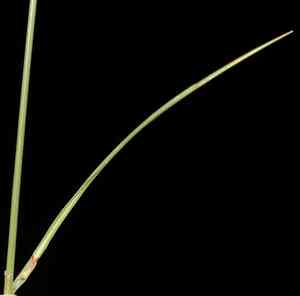
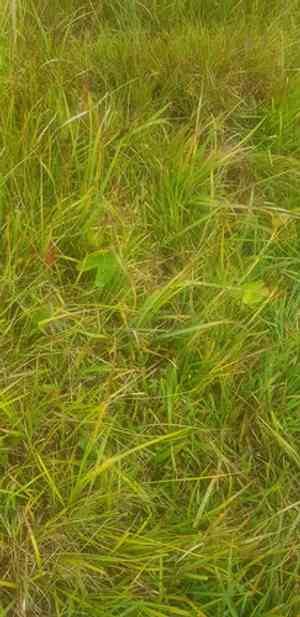
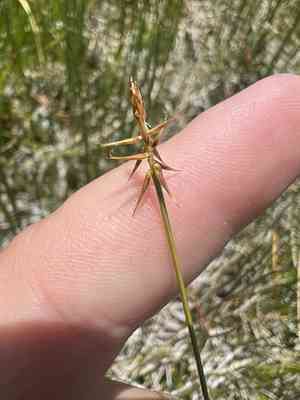
Quickly Identify Bristle sedge
1
This sedge can be identified by its slender, grass-like stems that grow in dense tufted clumps. The small spikelets are notably bristly, giving the plant its common name. It usually has narrow leaves and compact growth form.
Scientific Classification of Bristle sedge
Phylum
Vascular plants
Class
Monocotyledons
Order
Poales
Family
Sedge
Genus
True sedges
Species
Bristle sedge
Planting and Growing of Bristle sedge
Care Difficulty
Easy
Watering Schedule
Every 2 days
Sunlight Requirements
Partial sun
Sunshine Duration
4-8 hours
Ideal Temperature
50-68℉
Soil Type
Potting Mix, Peat Mix
Soil pH
4.5-7
Fertilizer Type
Balanced
Pruning Season
Spring, Summer
Pruning Area
Branches, Leaves
Pruning Frequency
2 times a year
Repotting Season
Spring
Pot Type
Plastic, Ceramic
 How to Water Bristle sedge?
Carex microglochin prefers a moist environment, yet it does not stand waterlogging. The ideal is to water this plant with about 150 ml of water each time, ensuring the soil is evenly moist but never soggy. The key rule is to water just enough so that the top inch of soil feels damp to the touch, which encourages strong, deep root development.
What are the symptoms of an underwatered Bristle sedge?
›
What should I do if my Bristle sedge is not getting enough water?
›
What are the symptoms of an overwatered Bristle sedge?
›
How to save an overwatered Bristle sedge?
›
 What Are the Sunlight Requirements for Bristle sedge?
Carex microglochin prefers partial sun, thriving in bright but not overly harsh lighting conditions. This level of sunlight ensures healthy foliage and a balanced growth pattern, avoiding photodamage.
How much sun does Carex microglochin need?
›
What is the best way to provide this light?
›
What benefits does the right light provide?
›
 What Is the Ideal Temperature Range for Bristle sedge?
The ideal temperature range for Carex microglochin is between 50°F and 68°F. This range allows the plant to grow optimally and maintain its physiological activities without stress. At these temperatures, photosynthesis and nutrient uptake are at their peak, supporting healthy growth and development.
 What Soil is Best for Bristle sedge?
Carex microglochin prefers soils that retain moisture well. Peat soil, with its outstanding water retention properties, provides the dampness required for optimal growth. Nutrient-rich soil is crucial for Carex microglochin. Sandy loam, which combines drainage with nutrient availability, supports robust root development and enhances the plant's overall health. An acidic environment is beneficial for Carex microglochin as it helps in nutrient absorption and prevents potential pest infestations that thrive in neutral soils.
 How to Fertilize Bristle sedge?
When fertilizing Carex microglochin, it is crucial to apply the right amount to ensure optimal growth. Typically, you should dilute liquid fertilizers to half the recommended strength, ensuring not to overwhelm the plant with nutrients. The amount of solid fertilizer should be minimal, taking into consideration the natural soil fertility of the area.
 How to Prune Bristle sedge?
Start by removing any dead or damaged leaves. Trimming these away not only improves the plant's appearance but also allows the healthy parts of the plant to access more sunlight and resources. Carefully trim the longest stems to maintain a rounded shape or preferred growth pattern. Cut back to a node to encourage bushier growth and a more compact form.
More About Pruning Techniques→
 How to Propagate Bristle sedge plant?
1
Ensure the soil is well-draining and enriched with organic matter. Before sowing seeds or dividing plants, loosen the soil to improve aeration and moisture retention, which will support healthy root development.
2
Sow seeds thinly on the surface of the moist seed compost. Cover them with a light layer of sand or compost. Maintain a warm environment and keep the soil consistently moist to encourage germination.
3
In early spring, lift the plant carefully with a spade. Use a sharp knife or spade to divide the clump into several smaller sections, ensuring each has enough roots and shoots to grow independently.
 How to Repot Bristle sedge plant?
1
Carex microglochin should be repotted when you notice its roots growing out of the drainage holes or when the plant seems too big for its current pot. The best time to repot would be during the spring when the plant is entering its active growth phase, ensuring it has enough energy to overcome transplant shock and establish in the new container.
2
Choose a pot that's slightly larger than the current one, offering enough space for new root growth without overwhelming the plant. A pot with good drainage holes is crucial, as this prevents waterlogging, which can lead to root rot. The material of the pot, whether clay or plastic, should be chosen based on your watering habits; clay pots dry out faster, helping to prevent overwatering.
3
A well-draining loamy soil is ideal for Carex microglochin, as it mimics its natural habitat while providing sufficient nutrients and aeration. The loamy texture ensures that air and water circulate efficiently around the roots, promoting healthy growth. Additionally, incorporating organic matter can enhance soil fertility, aiding in sustained plant health.
Learn More About Bristle sedge Diseases
Anthracnose
Bacterial Leaf Spot
Bacterial Soft Rot
Bacterial Wilt
Chemical Injury
Cyst Nematode
Damping-off
Downy Mildew
Drought Stress
Fusarium Wilt
Gray Mold
Leaf Spot
Mosaic
Nutrient Deficiency
Nutrient Toxicity
Powdery Mildew
Root Rot
Root-knot Nematode
Rusts
Sooty Mold
Spider Mites
Temperature Stress
Thrips Damage
White Mold



