
Taperfruit shortscale sedge (Carex leptopoda)
Also known as: False Melic Sedge
Taperfruit shortscale sedge, named for its distinctive tapering fruit adorned with frilly white bracts, often resembles tiny white worms. This perennial plant thrives along the western coast of the USA, from British Columbia to California. It typically flourishes in moist, shaded areas such as forests and streambanks. Flowering from early spring to late summer, these unique sedges display their characteristic "worm-like" fruit throughout much of the year.
In This Article
Attributes of Taperfruit shortscale sedge
Lifespan
Perennial
Plant Type
Grass
Plant Height
30-80 cm
Spread
N/A
Leaf Color
Green
Flower Size
N/A
Flower Color
Tan to brown
Images of Taperfruit shortscale sedge

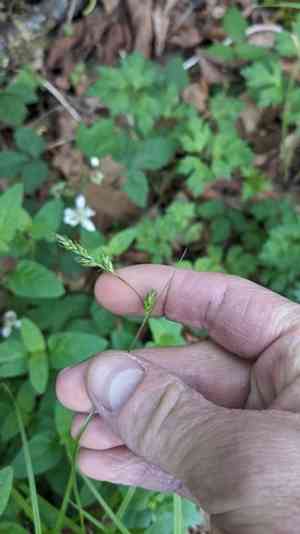


Quickly Identify Taperfruit shortscale sedge
1
Carex leptopoda can be identified by its grass-like leaves and dense clumps. The stems are triangular in cross-section, a characteristic of many sedge species. The plant produces narrow, tan to brown spikes which house the reproductive structures.
Scientific Classification of Taperfruit shortscale sedge
Phylum
Vascular plants
Class
Monocotyledons
Order
Poales
Family
Sedge
Genus
True sedges
Species
Taperfruit shortscale sedge
Planting and Growing of Taperfruit shortscale sedge
Care Difficulty
Moderate
Watering Schedule
Every 3 days
Sunlight Requirements
Partial sun
Sunshine Duration
4-6 hours
Ideal Temperature
60-75℉
Soil Type
Potting Mix, Peat Mix
Soil pH
5.5-7.5
Fertilizer Type
Balanced
Pruning Season
Spring, Summer
Pruning Area
Branches, Leaves
Pruning Frequency
2 times a year
Repotting Season
Spring
Pot Type
Plastic, Terracotta
 How to Water Taperfruit shortscale sedge?
When watering Carex leptopoda, ensure that the soil is thoroughly soaked. Pour approximately 500 milliliters of water around the base of the plant, ensuring it reaches the roots without causing waterlogging. The goal is to keep the soil slightly moist but not damp.
What are the symptoms of an underwatered Taperfruit shortscale sedge?
›
What should I do if my Taperfruit shortscale sedge is not getting enough water?
›
What are the symptoms of an overwatered Taperfruit shortscale sedge?
›
How to save an overwatered Taperfruit shortscale sedge?
›
 What Are the Sunlight Requirements for Taperfruit shortscale sedge?
A mix of partial sun to full shade is ideal. This balanced lighting allows proper photosynthesis while protecting against sun damage, ensuring vibrant and lush growth.
What is the ideal duration of sunlight exposure?
›
Why does Carex leptopoda need specific lighting?
›
How to ensure ideal light conditions indoors?
›
 What Is the Ideal Temperature Range for Taperfruit shortscale sedge?
For optimal growth, Carex leptopoda thrives best in an environment where the temperature is consistently between 60°F and 75°F. This range ensures the plant maintains its metabolic processes efficiently, promotes healthy leaf development, and enhances root growth. Temperatures above or below this can impede photosynthesis and slow down growth rates, necessitating careful environmental controls.
 What Soil is Best for Taperfruit shortscale sedge?
Carex leptopoda thrives in soils that retain moisture well. Ensuring good moisture retention allows the plant to maintain its lush, green foliage, essential for healthy growth. The plant benefits significantly from a nutrient-rich soil environment. This supports robust growth and aids in the production of vibrant inflorescences characteristic of the species. A balanced soil structure that provides adequate aeration ensures root health, while proper drainage prevents waterlogged conditions, vital for avoiding root rot.
 How to Fertilize Taperfruit shortscale sedge?
Carex leptopoda thrives when given a moderate amount of fertilizer. For liquid fertilizers, use about half the recommended strength on the package to avoid over-fertilization. When using slow-release granules, apply approximately 1 tablespoon per square foot in early spring, spreading it evenly around the base of the plant. This ensures the plant receives adequate nutrition without the risk of nutrient burn.
 How to Prune Taperfruit shortscale sedge?
Begin by identifying and removing any brown or dead stems that can detract from the plant's aesthetic appeal. Next, focus on thinning out any overgrown clumps by removing selected stems at the base to enhance air circulation and sunlight penetration. Avoid cutting too much of the plant at once. Gradually thin out the Carex leptopoda over a few weeks if necessary. This reduces plant shock and allows it to adjust and recover, preserving its overall vigor. Make clean, diagonal cuts when pruning or thinning. This technique helps prevent water from pooling at the cut site, thereby reducing the risk of rot and disease setting in after pruning.
More About Pruning Techniques→
 How to Propagate Taperfruit shortscale sedge plant?
1
Begin by filling a seedling tray with a moist, well-draining potting mix. Scatter the seeds evenly over the surface and cover lightly with soil. Water gently and place in a warm location.
2
Carefully dig up the clump of Carex leptopoda and shake off excess soil. Use a sharp spade or knife to divide the clump into smaller sections, ensuring that each has adequate roots and shoots before replanting.
3
Once planted, keep the soil consistently moist but not waterlogged. Apply a weak fertilizer solution to promote root and leaf growth, and ensure adequate light exposure, ideally partial shade.
 How to Repot Taperfruit shortscale sedge plant?
1
Carex leptopoda should be repotted when you notice that the roots are circling the inside of the pot, or if the soil is drying out too quickly after watering. These signs indicate that the plant has outgrown its current container and is in need of more space to thrive effectively.
2
Opt for a pot that's 1-2 inches larger in diameter than the current container. The material should be breathable, like terracotta, which allows excess moisture to escape. A pot with drainage holes is crucial to prevent waterlogging, which can lead to root rot, ensuring your Carex leptopoda stays healthy and vibrant.
3
Use a well-draining potting mix that's rich in organic matter. Look for soil that retains enough moisture to keep roots hydrated, yet drains efficiently to avoid root rot. A mix balanced in these properties will provide the perfect environment for your Carex leptopoda to establish robust root growth and flourish.



