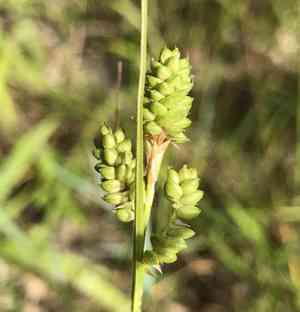
Fuzzy wuzzy sedge (Carex hirsutella)
Also known as: Hirsute sedge
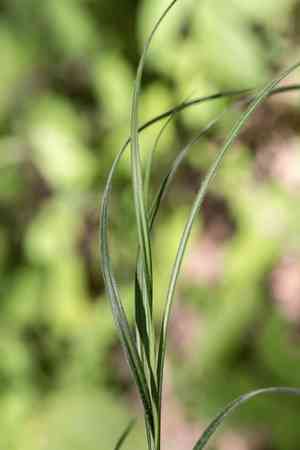
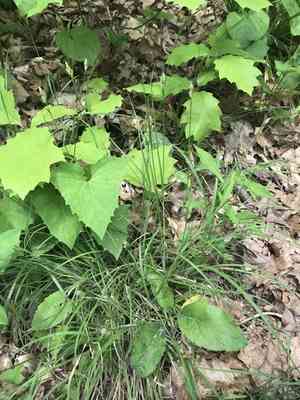
Fuzzy wuzzy sedge is a unique sedge characterized by its hairy, grass-like foliage and stems. It flourishes in both sunny and partially shaded moist areas. Its distinct arching flower spikes add a feathery touch to landscapes. This adaptable plant often forms dense clumps, enhancing the diversity of its habitat.
In This Article
Attributes of Fuzzy wuzzy sedge
Lifespan
Perennial
Plant Type
Grass
Plant Height
30-70 cm
Spread
Not applicable
Leaf Color
Green
Flower Size
Not applicable
Flower Color
White Yellow Green
Images of Fuzzy wuzzy sedge
Quickly Identify Fuzzy wuzzy sedge
1
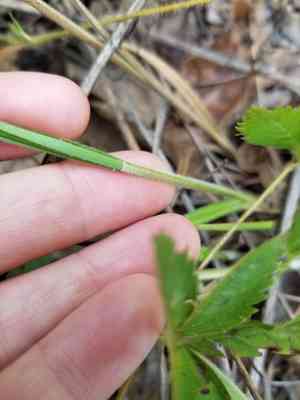
Carex hirsutella can be identified by its hairy culms and leaves, along with its clustered spikelets that form dense clusters. The leaf sheaths are also a distinguishing feature, as they are sparsely hairy.
Scientific Classification of Fuzzy wuzzy sedge
Phylum
Vascular plants
Class
Monocotyledons
Order
Poales
Family
Sedge
Genus
True sedges
Species
Fuzzy wuzzy sedge
Planting and Growing of Fuzzy wuzzy sedge
Care Difficulty
Moderate
Watering Schedule
Every 3 days
Sunlight Requirements
Partial sun
Sunshine Duration
6-10 hours
Ideal Temperature
60-75℉
Soil Type
Potting Mix, Peat Mix
Soil pH
5.5-7.5
Fertilizer Type
Balanced
Pruning Season
Spring, Summer
Pruning Area
Branches, Leaves
Pruning Frequency
2 times a year
Repotting Season
Spring
Pot Type
Plastic, Ceramic
 How to Water Fuzzy wuzzy sedge?
When watering Carex hirsutella, aim for about 200 milliliters per watering session. This plant prefers consistently moist, but not waterlogged, soil. Ensure the topsoil is never dried out completely, but avoid leaving the roots sitting in excess water.
What are the symptoms of an underwatered Fuzzy wuzzy sedge?
›
What should I do if my Fuzzy wuzzy sedge is not getting enough water?
›
What are the symptoms of an overwatered Fuzzy wuzzy sedge?
›
How to save an overwatered Fuzzy wuzzy sedge?
›
 What Are the Sunlight Requirements for Fuzzy wuzzy sedge?
Partial sunlight conditions, such as morning sun and afternoon shade, are ideal. This allows Carex hirsutella to synthesize sufficient energy without the risk of leaf burn, thus promoting strong, healthy growth and resilience.
Where should Carex hirsutella be positioned?
›
How to regulate sunlight exposure for Carex hirsutella?
›
What benefits does ideal sunlight offer to Carex hirsutella?
›
 What Is the Ideal Temperature Range for Fuzzy wuzzy sedge?
The ideal temperature range for Carex hirsutella cultivation is between 60°F and 75°F. This range allows for optimal growth and development, ensuring lush foliage and healthy root systems. Maintaining consistent temperatures within this range helps ensure that the plant's biological processes, such as photosynthesis and respiration, occur efficiently.
 What Soil is Best for Fuzzy wuzzy sedge?
Carex hirsutella thrives in well-drained soil, which prevents waterlogging and root rot. Quick drainage ensures the roots breathe properly, aiding in vigorous plant growth and disease prevention. Enriched with organic matter, the soil boosts Carex hirsutella's health by providing essential nutrients. Organic matter improves soil structure, retaining moisture efficiently without causing waterlogging. Carex hirsutella prefers soil that retains adequate moisture, ensuring the plant doesn't dry out. Consistent moisture supports robust growth and lush foliage while protecting against drought stress.
 How to Fertilize Fuzzy wuzzy sedge?
Carex hirsutella, also known as the hairy sedge, thrives best when given a balanced fertilizer. For each application, use about 1/4 cup of liquid fertilizer diluted in a gallon of water to ensure the plant receives adequate nutrients without risking root burn.
 How to Prune Fuzzy wuzzy sedge?
Avoid pruning your Carex hirsutella during extreme weather conditions like frost or heatwaves, as the plant may be stressed and not recover well from cuts made during these times. Be cautious of sap flow after pruning, especially in early spring. Excessive bleeding of sap can deplete the plant’s energy reserves, so aim to prune during cooler parts of the day when sap isn’t actively flowing. While regular pruning is beneficial, avoid removing more than one-third of the plant at any one time as this can stress the plant and reduce vigor, potentially leading to slow recovery.
More About Pruning Techniques→
 How to Propagate Fuzzy wuzzy sedge plant?
1
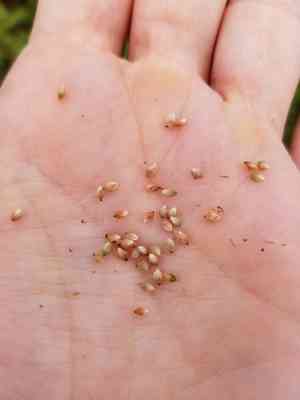
Collect seeds from mature Carex hirsutella plants in late summer or early autumn. Clean them to remove any debris and store them in a cool, dry place until spring.
2
In early spring, sow the seeds in trays filled with a light, well-draining seed-starting mix. Cover them lightly with soil, and mist them regularly to keep the surface damp but not soggy.
3
In spring, carefully dig up mature Carex hirsutella clumps. Use a sharp spade to divide the plant into sections, ensuring each section has roots attached. Replant them immediately in a prepared garden area.
 How to Repot Fuzzy wuzzy sedge plant?
1
The ideal time to repot Carex hirsutella is when you notice it becoming root-bound or the growth slows down. This generally happens every 2 to 3 years. A good sign is if you see roots growing out of the drainage holes, indicating the plant is outgrowing its current container.
2
Select a pot that is one size larger than the current one. Ensure it has sufficient drainage holes to allow excess water to escape, preventing root rot. Using a slightly larger pot provides the roots adequate space to grow, ensuring healthier plant development.
3
Choose a well-draining soil mix like sandy loam. This type of soil maintains a balance between retaining essential moisture and providing sufficient drainage to prevent waterlogging. It supports robust root peneration and oxygen availability, crucial for Carex hirsutella.



