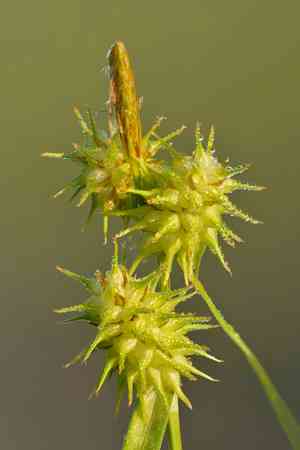
Thin-fruit sedge (Carex flaccosperma)
Also known as: Blue Wood Sedge
Thin-fruit sedge is a perennial plant known for its soft, arching green foliage. It flourishes in damp habitats such as moist woodlands and wetlands. This sedge is characterized by its drooping, spike-like flower clusters, which display a delicate bluish-green color. Its understated fruiting structures provide ecological benefits by supporting various wildlife. Additionally, Thin-fruit sedge is well-adapted to the dappled light of the forest understory, making it a hardy element of its native environment.
In This Article
Attributes of Thin-fruit sedge
Lifespan
Perennial
Plant Type
Grass
Plant Height
15 cm to 30 cm
Spread
15 cm to 30 cm
Leaf Color
Green
Flower Size
Not typically noted for its flowers
Flower Color
White Green Cream
Images of Thin-fruit sedge
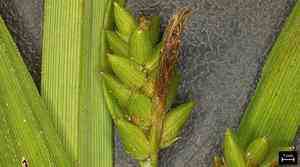
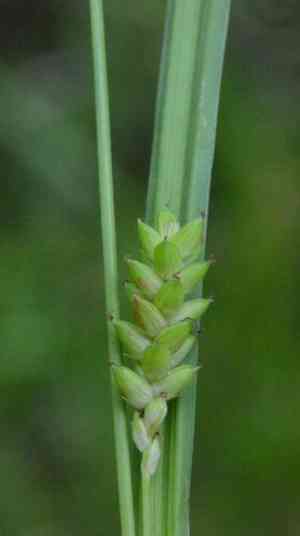
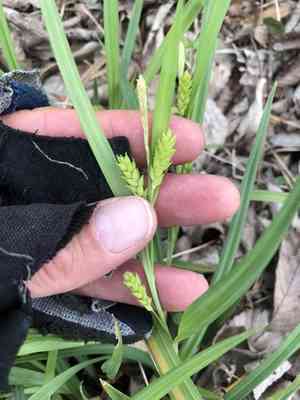
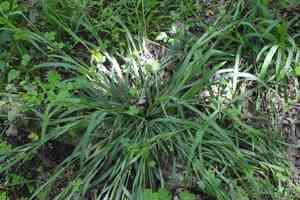
Quickly Identify Thin-fruit sedge
1
Slender, arching stalks with delicate, drooping seed heads.
2
Pale or greenish-white seed bracts contrasting against bluish-green foliage.
3
Inconspicuous flowers in spikelets, with scale-like bracts in green or brown.
4
Male spikelets longer (up to 1 inch) than female spikelets, clustered.
5
Small, dry perigynium fruit, green to straw-colored, less than 0.5 inches with faint texture.
Scientific Classification of Thin-fruit sedge
Phylum
Vascular plants
Class
Monocotyledons
Order
Poales
Family
Sedge
Genus
True sedges
Species
Thin-fruit sedge
Planting and Growing of Thin-fruit sedge
Care Difficulty
Moderate
Watering Schedule
Every 4 days
Sunlight Requirements
Partial sun
Sunshine Duration
4-6 hours
Ideal Temperature
60-75℉
Soil Type
Potting Mix, Peat Mix
Soil pH
6.5-7.5
Fertilizer Type
Balanced
Pruning Season
Spring, Summer
Pruning Area
Branches, Leaves
Pruning Frequency
2 times a year
Repotting Season
Spring
Pot Type
Plastic, Ceramic
 How to Water Thin-fruit sedge?
Water the Carex flaccosperma with about 250 milliliters each session. The goal is to keep the soil evenly moist but not waterlogged, much like a wrung-out sponge. This mimics the plant’s natural environment, which is typically damp but not soaked.
What are the symptoms of an underwatered Thin-fruit sedge?
›
What should I do if my Thin-fruit sedge is not getting enough water?
›
What are the symptoms of an overwatered Thin-fruit sedge?
›
How to save an overwatered Thin-fruit sedge?
›
 What Are the Sunlight Requirements for Thin-fruit sedge?
The ideal light range for Carex flaccosperma is dappled sunlight or afternoon shade, providing moderate exposure. This range benefits the plant by promoting balanced growth, preserving moisture, and enhancing its ornamental foliage under controlled light conditions.
What is the best lighting condition for Carex flaccosperma?
›
How to achieve the ideal lighting condition?
›
What benefits does Carex flaccosperma receive from ideal lighting?
›
 What Is the Ideal Temperature Range for Thin-fruit sedge?
The ideal temperature range for Carex flaccosperma, also known as blue wood sedge, is between 60°F to 75°F. This range supports optimal physiological functioning, promoting healthy leaf growth and vibrant appearance. By maintaining this temperature range, the plant's metabolic processes operate efficiently, resulting in sustained lushness and color.
 What Soil is Best for Thin-fruit sedge?
Carex flaccosperma thrives in moist soils, allowing it to sustain its lush and vibrant growth. Consistently damp conditions eliminate water stress, encouraging healthy root systems that bolster resilience against dry spells. While moisture is vital, Carex flaccosperma requires well-drained soils to prevent root rot and other diseases. Well-drained conditions ensure roots receive adequate oxygen, promoting robust plant health and longevity. This plant benefits from nutrient-rich soils, which provide essential minerals and organic matter. Such conditions enhance plant vitality, stimulate growth, and improve overall plant health, leading to a thriving, vigorous stand.
 How to Fertilize Thin-fruit sedge?
For Carex flaccosperma, applying a balanced fertilizer with an N-P-K ratio of 10-10-10 is recommended. Your goal is to apply about 1 cup of liquid fertilizer per 100 square feet of garden area. When using slow-release granules, aim for 2 teaspoons per plant, scattered evenly around the base.
 How to Prune Thin-fruit sedge?
Begin by examining your Carex flaccosperma for any browning or damaged leaves. These should be the first to be removed as they can detract from the plant's appearance and potentially harbor diseases. Make sure you use sharp, clean pruning shears or scissors. This will ensure that you make clean cuts without leaving jagged edges that could become entry points for pests and diseases. Once dead foliage is removed, trim the plant to maintain its shape. Cut the leaves back to a uniform height, generally a few inches above the ground, to encourage even growth.
More About Pruning Techniques→
 How to Propagate Thin-fruit sedge plant?
1
Wait for the seed heads of Carex flaccosperma to mature and turn brown before collecting. This ensures that the seeds are fully developed and viable. Harvest them during dry weather to avoid mold.
2
Use a well-draining mix comprising equal parts of sand, peat, and perlite. This mixture provides the right balance of moisture retention and drainage, essential for germination and root growth.
3
Carex flaccosperma can be divided in early spring. Gently dig around the plant clumps, lift them out, and use a dividing knife to split the roots. Ensure each division has a good root system for successful establishment.
 How to Repot Thin-fruit sedge plant?
1
Carex flaccosperma shows telltale signs when it needs repotting: roots clog drainage holes, growth slows down, or soil dries out quickly. The best time to repot is in spring or summer when the plant is actively growing, ensuring minimal stress during the move.
2
Select a pot that's one size larger than the current one, with ample drainage holes. A slightly larger pot helps prevent overwatering by ensuring excess water can escape, minimizing root rot risks and allowing space for the rhizomes to expand comfortably.
3
Opt for a well-draining, nutrient-rich potting mix, maybe adding some perlite or sand for extra drainage. This type of soil supports healthy root development and reduces the risk of waterlogging, promoting robust growth for Carex flaccosperma.
Learn More About Thin-fruit sedge Diseases
Anthracnose
Bacterial Leaf Spot
Bacterial Soft Rot
Chemical Injury
Damping-off
Downy Mildew
Drought Stress
Fusarium Wilt
Gray Mold
Leaf Spot
Mosaic
Nutrient Deficiency
Nutrient Toxicity
Powdery Mildew
Root Rot
Root-knot Nematode
Rusts
Sooty Mold
Spider Mites
Temperature Stress
Thrips Damage
White Mold



