
Threadleaf sedge (Carex filifolia)
Also known as: Thread-leaved sedge
Foothill sedge (Carex tumulicola) is a perennial, grass-like plant indigenous to western North America. Adaptable to various environments, it thrives even with minimal water and sunlight. This plant typically blooms during the spring and summer seasons.
In This Article
Attributes of Threadleaf sedge
Lifespan
Perennial
Plant Type
Grass
Plant Height
10 cm to 36 cm
Spread
1 to 1.5 feet (30 to 45 cm)
Leaf Color
Green
Flower Size
Small, less than 1 inch (2.5 cm)
Flower Color
Yellow Green Brown
Images of Threadleaf sedge
Quickly Identify Threadleaf sedge
1
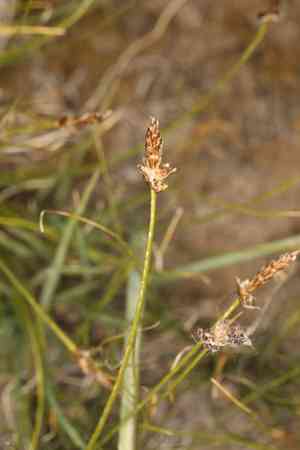
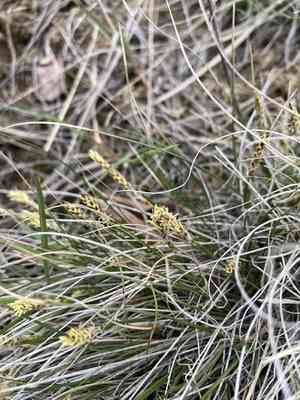
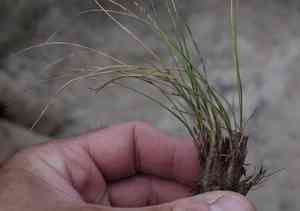
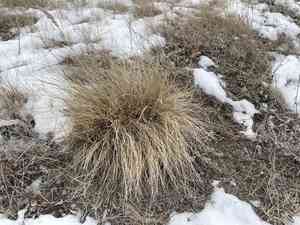
Carex filifolia is identified by its long, thread-like leaves and dense, tufted habit. The leaves are narrow and rolled, and the plant produces small, inconspicuous flower spikes.
Scientific Classification of Threadleaf sedge
Phylum
Vascular plants
Class
Monocotyledons
Order
Poales
Family
Sedge
Genus
True sedges
Species
Threadleaf sedge
Planting and Growing of Threadleaf sedge
Care Difficulty
Easy
Watering Schedule
Every 2 days
Sunlight Requirements
Full sun
Sunshine Duration
6-8 hours
Ideal Temperature
60-75℉
Soil Type
Potting Mix, Peat Mix
Soil pH
6.5-7.5
Fertilizer Type
Balanced
Pruning Season
Spring, Summer
Pruning Area
Branches, Leaves
Pruning Frequency
2 times a year
Repotting Season
Spring
Pot Type
Plastic, Ceramic
 How to Water Threadleaf sedge?
For Carex filifolia, it's crucial to water deeply but infrequently, ensuring each watering session delivers approximately 500 milliliters per plant. This principle supports the plant's root system in absorbing water deeply within the soil without causing unnecessary waterlogging.
What are the symptoms of an underwatered Threadleaf sedge?
›
What should I do if my Threadleaf sedge is not getting enough water?
›
What are the symptoms of an overwatered Threadleaf sedge?
›
How to save an overwatered Threadleaf sedge?
›
 What Are the Sunlight Requirements for Threadleaf sedge?
Carex filifolia ideally sits under full to partial sun exposure. The right amount provides maximum growth rate, lush foliage, and reduces pest susceptibility, ensuring a healthy lifecycle.
More About Sunlight Requirements Techniques→
What amount of sunlight does it prefer?
›
How can you enhance its sun exposure?
›
What are the benefits of ideal sunlight exposure?
›
 What Is the Ideal Temperature Range for Threadleaf sedge?
Carex filifolia thrives best within an ideal temperature range of 60 to 75°F. This range supports optimal enzymatic activities and physiological processes necessary for growth. Maintaining consistent temperatures within this range minimizes plant stress and promotes healthy growth, ensuring robust foliage and root development.
 What Soil is Best for Threadleaf sedge?
Carex filifolia thrives in soil with excellent drainage capabilities. This prevents root rot and ensures that the plant can absorb nutrients effectively, promoting healthier and more robust growth. Rich in essential nutrients, the soil should support vigorous growth and vibrant foliage. The presence of organic matter helps retain moisture while providing a continuous supply of nutrients. While drainage is crucial, moderate moisture retention allows the soil to stay moist without becoming waterlogged. This balance supports sustained growth and contributes to the plant's resilience against drought conditions.
 How to Fertilize Threadleaf sedge?
For Carex filifolia, lesser amounts of fertilizer tend to be beneficial. Applying too much can lead to burnt roots or altered growth patterns. Use liquid fertilizer at about half the concentration recommended for house plants, and apply the solid fertilizer in small quantities, only three times a year during the growing season to prevent over-fertilization.
 How to Prune Threadleaf sedge?
To prune Carex filifolia, begin with a clean, sharp pair of pruning shears. Identify dead, damaged, or diseased foliage and carefully trim these parts close to the base. Be cautious not to cut into the crown of the plant, which can lead to damage. By removing these elements, you allow the plant to allocate resources more efficiently, encouraging new growth. Pruning can also involve trimming back the tips of healthy foliage to encourage bushier growth. Cut blades back by about a quarter to a third of their length. This should be done after the threat of frost has passed in spring to kickstart vigorous new growth.
More About Pruning Techniques→
 How to Propagate Threadleaf sedge plant?
1
Soak the seeds in lukewarm water for 24 hours before sowing to soften the seed coat and promote faster germination. Ensure seeds are evenly dispersed across the seed tray.
2
Divide mature clumps in early spring when new growth begins. Carefully dig around the periphery of the plant to prevent root damage. Use a clean spade to separate the root mass into smaller sections.
3
Replant divisions immediately in prepared soil that mimics their native habitat. Ensure that the crown of each division is at or slightly above soil level to prevent rot.
 How to Repot Threadleaf sedge plant?
1
Carex filifolia typically needs repotting when you notice roots crowding out at the drainage hole or when growth seems stunted. Early signs of yellowing leaves, despite proper watering, also signal it's time to repot. A gentle lift of the plant base can reveal if the root ball is excessively bound. Choose a bright, warm spring or summer day to ensure minimal stress to the plant.
2
Opt for a pot that is 1-2 inches larger in diameter than the current one. The material should allow for good air circulation, like terracotta. A larger pot helps accommodate root growth, and a porous material helps moisture management by promoting evaporation and prevents root rot, essential for Carex filifolia.
3
For Carex filifolia, the ideal soil is a well-draining sandy mix, mimicking its native prairie environment. Such a blend ensures proper drainage, preventing waterlogging while providing suitable aeration for the roots. This enables the plant to thrive by maintaining optimal moisture levels while encouraging healthy root development.
Learn More About Threadleaf sedge Diseases
Anthracnose
Bacterial Leaf Spot
Bacterial Wilt
Chemical Injury
Crown Gall
Cyst Nematode
Damping-off
Downy Mildew
Drought Stress
Fusarium Wilt
Gray Mold
Leaf Spot
Mosaic
Nutrient Deficiency
Nutrient Toxicity
Powdery Mildew
Root Rot
Root-knot Nematode
Rusts
Sooty Mold
Spider Mites
Temperature Stress
Thrips Damage
White Mold



