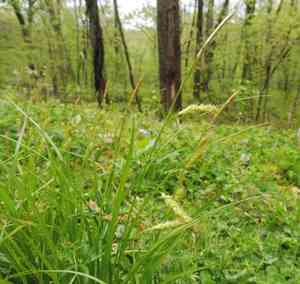
Cherokee sedge (Carex cherokeensis)
Also known as: Cherokee Sedge
Switchgrass (Panicum virgatum) is a native American grass frequently utilized in landscaping due to its unique foliage. It grows in tall, narrow, tufted clumps, adding vertical interest to gardens. This grass thrives in moist conditions and prefers nutrient-rich soils.
In This Article
Attributes of Cherokee sedge
Lifespan
Perennial
Plant Type
Grass
Plant Height
30 cm to 61 cm
Spread
30 cm to 45 cm
Leaf Color
Green Blue
Flower Size
2.5 cm
Flower Color
Yellow Green Brown
Images of Cherokee sedge
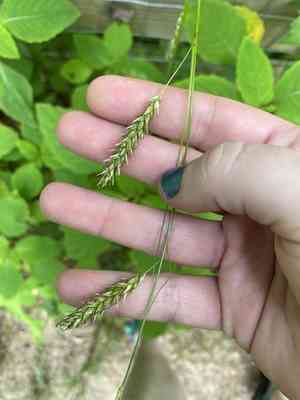
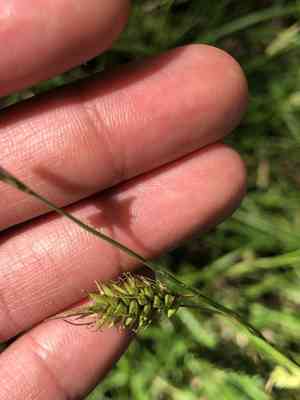
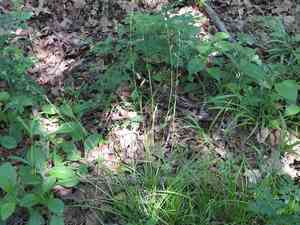
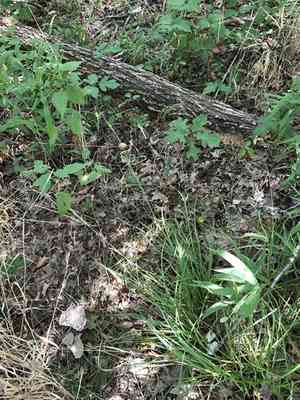
Quickly Identify Cherokee sedge
1
Slender, glossy, deep green leaves up to 16 inches (40 cm) long with a grass-like appearance.
2
Pendulous seed clusters in mid-spring, distinctive for their appearance and reproductive strategy.
3
Flexible, green stems around 1-2 feet (30-60 cm) tall, solid and rarely branching.
4
Grass-like greenish flowers in drooping spikes, turning brown and resembling wheat as they mature.
5
Dry, one-seeded utricles with papery texture, enclosed in sac-like perigyniums in wheat-like clusters.
Scientific Classification of Cherokee sedge
Phylum
Vascular plants
Class
Monocotyledons
Order
Poales
Family
Sedge
Genus
True sedges
Species
Cherokee sedge
Planting and Growing of Cherokee sedge
Care Difficulty
Easy
Watering Schedule
Every 3 days
Sunlight Requirements
Partial sun
Sunshine Duration
4-8 hours
Ideal Temperature
60-75℉
Soil Type
Potting Mix, Peat Mix
Soil pH
5.5-7
Fertilizer Type
Balanced
Pruning Season
Spring, Summer
Pruning Area
Branches, Leaves
Pruning Frequency
2 times a year
Repotting Season
Spring
Pot Type
Plastic, Ceramic
 How to Water Cherokee sedge?
The watering amount for Carex cherokeensis should ensure the soil is consistently moist but not waterlogged. Aim to water until the top 1-2 inches of soil is thoroughly moist. This keeps the plant hydrated without drowning the roots. Use approximately 500 ml of water per watering session to achieve the right moisture level.
What are the symptoms of an underwatered Cherokee sedge?
›
What should I do if my Cherokee sedge is not getting enough water?
›
What are the symptoms of an overwatered Cherokee sedge?
›
How to save an overwatered Cherokee sedge?
›
 What Are the Sunlight Requirements for Cherokee sedge?
Partial sun and full shade conditions are best for Carex cherokeensis. Ideal lighting promotes lush foliage and strengthens the plant’s natural disease defenses, optimizing both aesthetic and functional aspects.
More About Sunlight Requirements Techniques→
What is the ideal light condition for Carex cherokeensis?
›
How to achieve ideal lighting for Carex cherokeensis?
›
Benefits of ideal lighting for Carex cherokeensis?
›
 What Is the Ideal Temperature Range for Cherokee sedge?
The ideal temperature range for Carex cherokeensis growth is between 60°F and 75°F. This range provides a comfortable climate that supports healthy photosynthesis and metabolic processes. At these temperatures, the plant can maintain its optimal hydration and nutrient uptake, ensuring robust growth and development.
 What Soil is Best for Cherokee sedge?
Carex cherokeensis thrives in soils that allow for good water drainage, preventing root rot and helping the plant maintain optimal health. While drainage is crucial, the soil should also retain some moisture, which helps in sustaining the plant during drier periods and maintains its lush appearance. A soil rich in organic matter supports the robust growth of Carex cherokeensis by providing essential nutrients and a beneficial soil structure.
 How to Fertilize Cherokee sedge?
For Carex cherokeensis, applying a balanced liquid fertilizer at half strength is ideal. Use approximately 10-20 milliliters per liter of water, gently saturating the soil around the plant every two weeks.
 How to Prune Cherokee sedge?
Begin by identifying any brown or dead foliage that needs removal to ensure a clean and vibrant plant. This step is crucial for maintaining the plant's aesthetic appeal. Cut back the foliage, leaving about 2-3 inches above the ground. This will provide space for fresh growth and keep the plant looking well-managed and lush. Once pruning is complete, ensure all clippings and debris are cleared away to prevent any potential diseases or pests from affecting the plant.
More About Pruning Techniques→
 How to Propagate Cherokee sedge plant?
1
Water the Carex cherokeensis thoroughly a day before division. This ensures the roots are moist and reduces transplant shock by keeping the plant hydrated during the process.
2
Gently dig around the plant clump using a shovel to lift it out of the ground. Once lifted, use a sharp knife to divide the clump into smaller sections, each with a healthy root system and foliage.
3
Immediately replant the divided sections in a prepared location, ensuring the soil is well-draining. Water the divisions immediately to settle the soil and establish good root-to-soil contact.
 How to Repot Cherokee sedge plant?
1
Repot Carex cherokeensis when you notice roots growing out of the drainage holes, the soil dries out too quickly, or the plant looks top-heavy. These are signs that the plant has outgrown its current pot and needs more room to thrive.
2
Select a pot that's 1-2 inches larger in diameter than the current pot. Ensure it has drainage holes at the bottom to avoid waterlogging, which can lead to root rot. A slightly bigger pot allows root expansion and healthy growth.
3
Opt for a well-draining potting mix, enriched with organic matter, to provide excellent aeration and moisture balance. This type of soil ensures that Carex cherokeensis doesn’t suffer from water retention, promoting a healthy root system.



