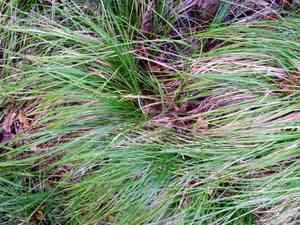
Greater brown sedge (Carex brunnea)
Also known as: Derris Sedge
Greater brown sedge (*Carex brunnea*) is a hardy, clump-forming plant that resembles grass and is ideal for container gardening in cooler regions due to its shape and sensitivity to frost. In warmer climates, it serves as a slow-spreading, low-maintenance option for garden beds and borders. Interestingly, renowned botanist Robert Brown initially named it *Carex gracilis*, but this name was later changed to *Carex brunnea* due to an existing species with the same name.
In This Article
Attributes of Greater brown sedge
Lifespan
Perennial
Plant Type
Grass
Plant Height
30 cm
Spread
30 cm
Leaf Color
Bright green
Flower Size
N/A
Flower Color
Brown to green
Images of Greater brown sedge
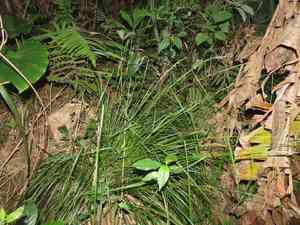
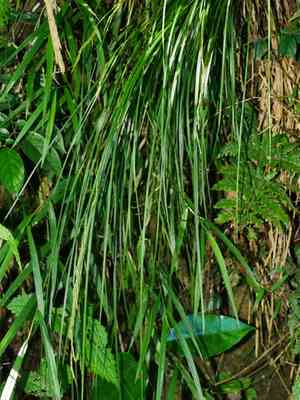
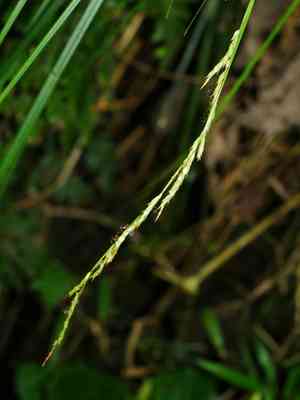
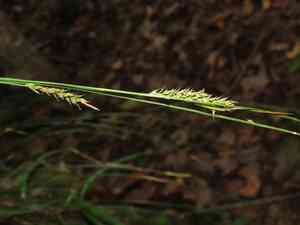
Quickly Identify Greater brown sedge
1
Tightly-packed clumps reaching 12-14 inches (30-35.5 cm) in height
2
Brown flowers on spikes extending 6 inches (15 cm) above foliage
3
Leaves exhibit a gentle arching form
4
Adaptable to temperatures as low as 10-15°F (-12 to -9°C)
5
Thrives in full sun to light shade and prefers moist, well-drained soils
Scientific Classification of Greater brown sedge
Phylum
Vascular plants
Class
Monocotyledons
Order
Poales
Family
Sedge
Genus
True sedges
Species
Greater brown sedge
Planting and Growing of Greater brown sedge
Care Difficulty
Easy
Watering Schedule
Every 2 days
Sunlight Requirements
Partial sun
Sunshine Duration
4-8 hours
Ideal Temperature
60-75℉
Soil Type
Potting Mix, Peat Mix
Soil pH
6.5-7.5
Fertilizer Type
Balanced
Pruning Season
Spring, Summer
Pruning Area
Branches, Leaves
Pruning Frequency
Once a year
Repotting Season
Spring
Pot Type
Plastic, Ceramic
 How to Water Greater brown sedge?
Carex brunnea, commonly known as the Brown Sedge, requires careful watering. You should aim to water it with around 500 ml each time, making sure the soil is thoroughly moistened but not saturated. This sedge thrives in soil that retains moisture without becoming waterlogged. To achieve this balance, water until the top few inches of soil feel adequately moist, allowing excess water to drain away.
What are the symptoms of an underwatered Greater brown sedge?
›
What should I do if my Greater brown sedge is not getting enough water?
›
What are the symptoms of an overwatered Greater brown sedge?
›
How to save an overwatered Greater brown sedge?
›
 What Are the Sunlight Requirements for Greater brown sedge?
Carex brunnea prefers partial sun to full shade, thriving with 3 to 6 hours of light. This balance supports its decorative foliage and prevents overexposure, enhancing its resilience to environmental stress.
How much light does Carex brunnea require?
›
What solutions can provide ideal lighting for Carex brunnea?
›
What are the benefits of ideal light for Carex brunnea?
›
 What Is the Ideal Temperature Range for Greater brown sedge?
Carex brunnea thrives best in temperatures ranging from 60°F to 75°F. This range provides optimal conditions for photosynthesis and growth. Consistent temperatures within this range support robust foliage development, ensuring the plant remains healthy and vibrant.
 What Soil is Best for Greater brown sedge?
Carex brunnea thrives in soil that ensures excellent drainage. This prevents waterlogging, which can lead to root rot and other fungal diseases, thereby increasing plant longevity and health. This plant requires a nutrient-rich substrate to perform well. Amending the soil with organic material like compost enhances fertility, ensuring robust growth and vibrant foliage. Maintaining the soil pH between 6.5 and 7.5 ensures that Carex brunnea can efficiently absorb nutrients. A balanced pH prevents nutrient lockout, promoting vigorous and lush growth.
 How to Fertilize Greater brown sedge?
For Carex brunnea, the ideal amount of fertilizer should be moderate. Overfertilization can cause harm, while underfertilization might not supply enough nutrients. A balanced approach ensures healthy growth. Use a diluted liquid fertilizer with a concentration of 1/4 the recommended strength for liquid fertilizers, applied according to the specified frequency. For solid fertilizers, use a slow-release formula, with 1-2 tablespoons per square foot.
 How to Prune Greater brown sedge?
Begin by inspecting the plant for any dead or discolored leaves. Gently trim these away close to the base without harming the new growth. Focus on creating a neat mound shape by selectively trimming stray leaves. After pruning, water the plant thoroughly and apply a balanced fertilizer to encourage healthy new growth. Keep an eye on the environment to ensure it has adequate sunlight and moisture.
More About Pruning Techniques→
 How to Propagate Greater brown sedge plant?
1
Water the mother plant thoroughly a day before propagation to ensure it is well-hydrated. This helps the plant withstand the division process and reduces stress.
2
Carefully dig up the plant clump and separate it into smaller sections using a sharp knife or pruners. Each section should have roots and shoots for successful propagation.
3
Replant the divisions in a prepared bed or pots with well-draining soil. Firm the soil around the divisions to remove air pockets and water them thoroughly.
 How to Repot Greater brown sedge plant?
1
Carex brunnea generally requires repotting when you notice its roots growing out of the drainage holes or forming a dense ball. Another sign is when the plant's growth appears stunted despite proper care. The best time to repot is during the growth phase in spring or summer, when it can quickly recover and establish in the new soil.
2
Select a pot that is one size larger than the current pot to give the roots room to grow. Ensure the pot has adequate drainage holes to prevent waterlogging, which could lead to root rot. A terracotta pot is ideal as it allows the soil to dry out more evenly, supporting the plant's health.
3
Use a well-draining potting mix, preferably designed for ornamental grasses, to promote healthy root development. A mix containing ingredients like perlite or sand will ensure good aeration, while organic matter enhances nutrient availability, keeping your Carex brunnea vibrant and robust.



