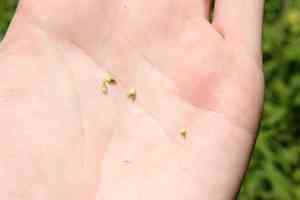
Fox-tail sedge (Carex alopecoidea)
Also known as: Foxtail Sedge
Carex alopecoidea, also known as foxtail sedge or northern fox sedge, is a North American species of Carex. It is classified as threatened in Connecticut and Massachusetts. This plant is listed as endangered in Indiana, New Jersey, and Ohio. In Maine, it is considered possibly extirpated. Additionally, in Tennessee, it holds the status of endangered and possibly extirpated.
In This Article
Attributes of Fox-tail sedge
Lifespan
Perennial
Plant Type
Grass
Plant Height
38 cm to 81 cm
Spread
30-60 cm
Leaf Color
Green
Flower Size
Not applicable
Flower Color
White Yellow Green
Images of Fox-tail sedge
Quickly Identify Fox-tail sedge
1
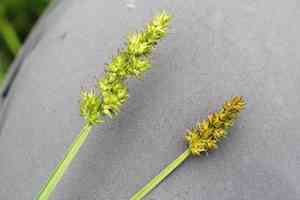
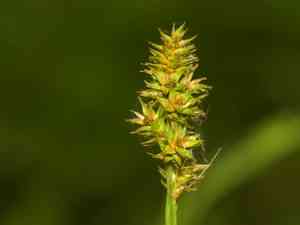
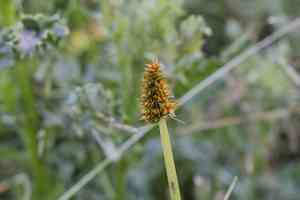
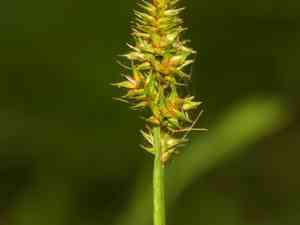
Foxtail Sedge can be identified by its dense, cylindrical seed heads that are covered with bristles, giving a foxtail appearance. The leaves are grass-like, and the plant typically grows in clumps.
Scientific Classification of Fox-tail sedge
Phylum
Vascular plants
Class
Monocotyledons
Order
Poales
Family
Sedge
Genus
True sedges
Species
Fox-tail sedge
Planting and Growing of Fox-tail sedge
Care Difficulty
Easy
Watering Schedule
Every 2 days
Sunlight Requirements
Partial sun
Sunshine Duration
6-10 hours
Ideal Temperature
60-75℉
Soil Type
Potting Mix, Peat Mix
Soil pH
6.5-7.5
Fertilizer Type
Balanced
Pruning Season
Spring, Summer
Pruning Area
Branches, Leaves
Pruning Frequency
2 times a year
Repotting Season
Spring
Pot Type
Plastic, Ceramic
 How to Water Fox-tail sedge?
Carex alopecoidea appreciates a moderate amount of water, around 200 ml per watering session. The principle is to keep the soil consistently moist but never waterlogged, allowing the top layer to dry slightly before the next watering. This balances the plant's moisture needs with the risk of root rot.
What are the symptoms of an underwatered Fox-tail sedge?
›
What should I do if my Fox-tail sedge is not getting enough water?
›
What are the symptoms of an overwatered Fox-tail sedge?
›
How to save an overwatered Fox-tail sedge?
›
 What Are the Sunlight Requirements for Fox-tail sedge?
Partial sun is ideal, providing Carex alopecoidea with balance for photosynthesis and growth. Adequate light ensures robust, green foliage, vigorous shoot development, and overall plant health.
How much sun does it need?
›
Is shade necessary?
›
What are seasonal light considerations?
›
 What Is the Ideal Temperature Range for Fox-tail sedge?
For optimal growth, Carex alopecoidea thrives best in temperatures ranging from 60°F to 75°F. These conditions mimic its natural habitat and support healthy growth and development. Maintaining this temperature range ensures that the plant can perform photosynthesis and other cellular functions efficiently.
 What Soil is Best for Fox-tail sedge?
Carex alopecoidea thrives best in nutrient-rich soils, which offer the essential minerals and organic matter required for lush growth and vibrant foliage, promoting overall plant health and robustness in various environmental conditions. This sedge prefers soils with good moisture-retaining capacity, ensuring steady water availability during dry spells, which reduces the stress on the plant and supports consistent growth. Essential for preventing root rot, well-draining soil helps Carex alopecoidea maintain ideal moisture levels without becoming waterlogged, enhancing its growth and survival rates.
 How to Fertilize Fox-tail sedge?
For Carex alopecoidea, the fertilizer amount should be moderate. During the growing season, about 1/4 cup of balanced, granular fertilizer can be used per plant. Be cautious of over-fertilizing as this plant is not very demanding.
 How to Prune Fox-tail sedge?
Begin by gently lifting the foliage to access the lower parts of the plant. Target dead or discolored foliage and cut them close to the base. Be mindful not to cut green, healthy leaves unless necessary. Remove select outer stems to shape the plant and control its size, but leave the majority to preserve its natural form. After pruning, collect all the trimmed foliage and discard it properly. To prevent potential disease spread, avoid leaving it around the base of the plant. Compost the healthy clippings if possible, but burn or dispose of any diseased material.
 How to Propagate Fox-tail sedge plant?
1
Harvest seeds from mature plants in late summer. Clean and dry them thoroughly to prevent mold growth before storing them in a cool, dry place until you're ready to plant.
2
Divide mature clumps of Carex alopecoidea in early spring. Use a sharp spade to separate healthy sections, each with a good root system intact. This encourages vigorous new growth once replanted.
3
For both seeds and divisions, prepare the soil by adding organic matter to enhance drainage. Plant seeds or divisions, water thoroughly, and maintain consistent moisture until the roots are well established.
 How to Repot Fox-tail sedge plant?
1
Watch for signs such as roots growing out of the drainage holes, slower growth, or the plant toppling over. These indicate Carex alopecoidea needs more space and thus requires repotting.
2
Choose a pot slightly larger than the current one, with plenty of drainage holes. This aids in preventing waterlogging, ensures ample root expansion, and helps maintain optimal moisture levels.
3
Opt for a loamy, well-draining soil mix that retains enough moisture but does not become waterlogged. This mix supports vigorous growth by providing necessary nutrients and maintaining proper aeration.



