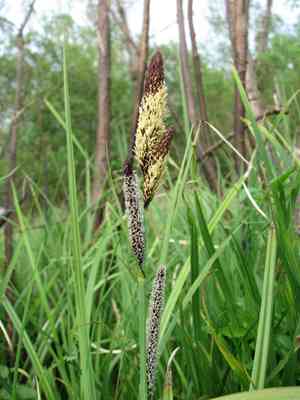
Lesser pond sedge (Carex acutiformis)
Also known as: Marsh sedge
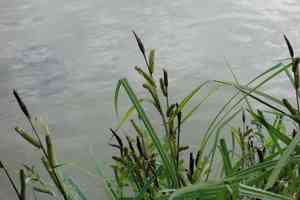
The Lesser Pond Sedge (Carex acutiformis) is a wetland plant native to northern and western Europe. This grass-like species features long, narrow leaves and can reach heights of up to 61 cm. It commonly thrives in swamps, marshes, along lakeshores, and in various other wetland environments.
In This Article
Attributes of Lesser pond sedge
Lifespan
Perennial
Plant Type
Grass
Plant Height
1.2 m
Spread
1.2 m
Leaf Color
Green Gray Red Silver Brown
Flower Size
N/A
Flower Color
Green Brown
Images of Lesser pond sedge
Quickly Identify Lesser pond sedge
1
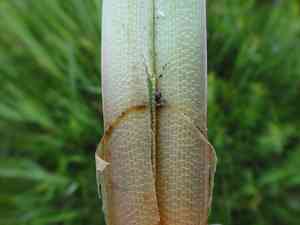
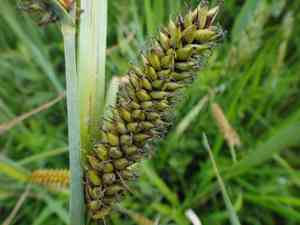
Carex acutiformis can be identified by its tall, slender, and triangular stems that grow in dense clumps. The leaves are long, flat, and rough to touch, with a distinctive midrib. Flowering spikes hold both male and female flowers, with the male flowers on the top and female flowers below.
Scientific Classification of Lesser pond sedge
Phylum
Vascular plants
Class
Monocotyledons
Order
Poales
Family
Sedge
Genus
True sedges
Species
Lesser pond sedge
Planting and Growing of Lesser pond sedge
Care Difficulty
Easy
Watering Schedule
Every 3 days
Sunlight Requirements
Partial sun
Sunshine Duration
6-10 hours
Ideal Temperature
59-77℉
Soil Type
Potting Mix, Peat Mix
Soil pH
5.5-7.5
Fertilizer Type
Balanced
Pruning Season
Spring, Summer
Pruning Area
Branches, Leaves
Pruning Frequency
2 times a year
Repotting Season
Spring
Pot Type
Plastic, Ceramic
 How to Water Lesser pond sedge?
For Carex acutiformis, ensure the soil is consistently moist. Apply approximately 500 ml of water per watering session to moisten the soil thoroughly, allowing excess to drain to prevent sogginess.
What are the symptoms of an underwatered Lesser pond sedge?
›
What should I do if my Lesser pond sedge is not getting enough water?
›
What are the symptoms of an overwatered Lesser pond sedge?
›
How to save an overwatered Lesser pond sedge?
›
 What Are the Sunlight Requirements for Lesser pond sedge?
Carex acutiformis benefits from being in partial sunlight settings, ideally 2 to 6 hours daily. This light range supports robust photosynthesis, contributing to lush, healthy vegetation while preventing the risks of excessive or insufficient exposure.
More About Sunlight Requirements Techniques→
What is the best light condition for Carex acutiformis?
›
How can I achieve ideal lighting for Carex acutiformis indoors?
›
What benefits arise from maintaining ideal lighting?
›
 What Is the Ideal Temperature Range for Lesser pond sedge?
Carex acutiformis thrives best in temperatures ranging from 59°F to 77°F. This temperature range ensures optimal growth and development, as the plant can efficiently carry out photosynthesis and nutrient uptake. Consistent exposure to these temperatures results in vigorous growth and healthy foliage.
 What Soil is Best for Lesser pond sedge?
Carex acutiformis prefers soil that retains moisture well, such as loam or clay types. These soils provide consistent hydration, crucial for healthy growth, as they mimic the plant’s natural wetland environment. The plant thrives in nutrient-rich substrates. A well-fertilized loam ensures robust plant health and vibrant growth, offering essential nutrients for development and resilience against diseases. Though moisture-loving, these plants also require well-aerated soil. Loam soils, with their balanced structure, offer the right mix of air and water, preventing waterlogging while supporting root health.
 How to Fertilize Lesser pond sedge?
For Carex acutiformis, use a well-balanced fertilizer. Apply liquid fertilizer at a dilution of 1:10 with water. For solid fertilizers, a standard application rate of 100 grams per square meter is recommended. Ensure even distribution around the plant root zone without direct contact.
 How to Prune Lesser pond sedge?
Start by wearing a pair of gloves to protect your hands from the sharp edges of Carex acutiformis. Use sharp pruning shears to cut back the foliage, aiming to remove dead or yellowing leaves. Trim back to the base, but avoid cutting into the crown to prevent damage. Ensuring air circulation by thinning overcrowded clumps can boost the plant's health.
More About Pruning Techniques→
 How to Propagate Lesser pond sedge plant?
1
Collect mature seeds from the Carex acutiformis plant and clean them to remove any debris. Allow the seeds to dry before sowing, which increases germination success. Store them in a cool, dry place if not sowing immediately.
2
Fill a seed tray with a well-drained, quality potting mix. Evenly spread the seeds on the surface and lightly cover them with soil. Water gently to keep the soil moist but not waterlogged, ensuring seeds are in a warm location.
3
In early spring, use a garden fork to lift the existing Carex acutiformis clumps from the ground. Gently separate the roots into smaller sections, ensuring each division has a healthy root system. Replant the divisions at the same depth.
 How to Repot Lesser pond sedge plant?
1
Carex acutiformis should be repotted when it stops growing well, roots start emerging from the drainage holes, or it becomes top-heavy. These are clear signs that the roots need more space or fresh soil is required for optimal growth.
2
Select a pot that is 2-3 inches wider than the current one, and ensure it has good drainage holes. This allows room for root expansion and prevents waterlogging, reducing risks of root rot and keeping your plant healthy.
3
Use a moist, well-draining soil mix, rich in organic matter. This type of soil retains adequate moisture while allowing excess water to drain away, which helps prevent water-related diseases and supports healthy roots.



