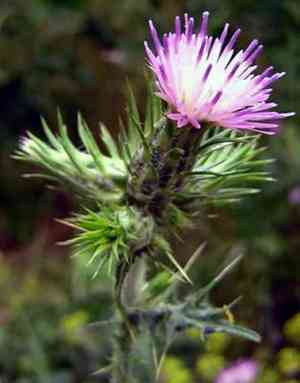
Slender thistle (Carduus tenuiflorus)
Also known as: Winged slender thistle, Seaside thistle
Outside its native habitat, the slender thistle (Carduus pycnocephalus) is regarded as an invasive species that detrimentally impacts forage pastures by competing with native and beneficial plants for essential resources, thus lowering pasture quality. It also thrives in disturbed areas, such as roadsides and parking lots. This robust thistle can reach heights of up to 2 meters and is frequently found alongside the Shore slender thistle.
In This Article
Attributes of Slender thistle
Lifespan
Annual
Plant Type
Herb
Plant Height
2 m
Spread
Not typically measured as it is a herbaceous plant
Leaf Color
Green
Flower Size
8 mm
Flower Color
Purple Pink
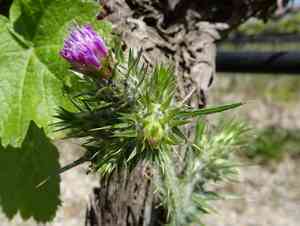
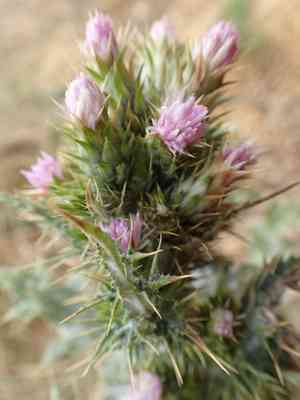
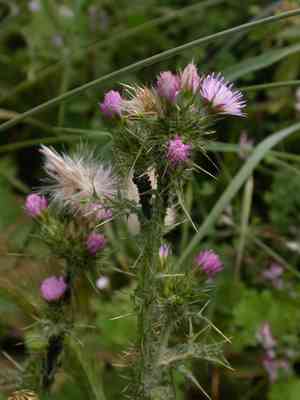
Images of Slender thistle

Quickly Identify Slender thistle
1
Carduus tenuiflorus can be identified by its slender, spiny leaves that are deeply lobed. The plant produces clusters of small, pink-purple flower heads that are surrounded by thorny bracts.
Scientific Classification of Slender thistle
Phylum
Vascular plants
Class
Dicotyledons
Order
Asterales
Family
Daisy
Genus
Plumeless thistles
Species
Slender thistle
Planting and Growing of Slender thistle
Care Difficulty
Easy
Watering Schedule
Every 3 days
Sunlight Requirements
Full sun
Sunshine Duration
4-8 hours
Ideal Temperature
60-75℉
Soil Type
Potting Mix, Peat Mix
Soil pH
6.5-7.5
Fertilizer Type
Balanced
Pruning Season
Spring, Summer
Pruning Area
Branches, Leaves
Pruning Frequency
2 times a year
Repotting Season
Spring
Pot Type
Plastic, Ceramic
 How to Water Slender thistle?
When watering Carduus tenuiflorus, ensure the soil becomes moist but is free-draining. Aim for about 500ml each session, allowing the water to reach deeper roots. Adjust based on humidity, soil, and seasonal changes.
What are the symptoms of an underwatered Slender thistle?
›
What should I do if my Slender thistle is not getting enough water?
›
What are the symptoms of an overwatered Slender thistle?
›
How to save an overwatered Slender thistle?
›
 What Are the Sunlight Requirements for Slender thistle?
This plant flourishes under conditions of full sun to partial sun. Ideal lighting will result in lush foliage, vibrant flowering, and overall vigorous and resilient growth, ensuring it reaches its maximum potential.
Preferred Sun Exposure
›
Benefit of Partial Sun
›
Achieving Ideal Sunlight
›
 What Is the Ideal Temperature Range for Slender thistle?
The ideal temperature range for growing Carduus tenuiflorus is between 60°F and 75°F. This range provides optimal conditions that encourage healthy growth and development, as it simulates the plant's native climate. Maintaining this temperature ensures that the plant can perform photosynthesis efficiently and sustain its metabolic activities without stress.
 What Soil is Best for Slender thistle?
Carduus tenuiflorus thrives in well-draining soil which allows excess water to escape quickly. This is vital to prevent waterlogging, which can lead to root rot. Well-draining soil ensures that roots remain healthy and oxygenated, promoting vigorous growth. The plant benefits from soil enriched with essential nutrients. Fertile soil supports lush foliage and robust flowering. It's important to supply organic matter or compost to boost the soil's nutrient content, enhancing plant resilience and vitality. While Carduus tenuiflorus prefers well-drained soil, it also appreciates moderate moisture levels. Consistent watering, especially in dry spells, helps maintain a balance that prevents both drought stress and waterlogging.
 How to Fertilize Slender thistle?
For Carduus tenuiflorus, it's important not to over-fertilize, as it thrives in nutrient-poor soils naturally. When applying liquid fertilizer, dilute it to half the recommended concentration and use about 200 ml per plant. This ensures the plant gets enough nutrients for growth without excess that can lead to root burn.
 How to Prune Slender thistle?
Begin by wearing protective gloves due to its spiny nature. Use sharp pruning shears to cut back the stems to a desirable height. Focus on removing any dead or damaged stems first. Trim each stem cleanly to encourage even regrowth and maintain a tidy appearance. After pruning, dispose of the cuttings properly to prevent reseeding. Water the plant thoroughly, aiding in quick recovery. Spread a light layer of organic mulch around the base to conserve moisture and minimize weed growth.
More About Pruning Techniques→
 How to Propagate Slender thistle plant?
1
Collect seeds from mature Carduus tenuiflorus plants by harvesting them when the seed heads are dry and brown. Clean the seeds by separating them from the chaff to ensure that only viable seeds are used for sowing.
2
Fill seed trays with a well-draining seed-starting mix. Sow the seeds on the surface and lightly cover them with a thin layer of soil. Water gently to moisten the soil without displacing the seeds.
3
Place the seed trays in a location with bright, indirect light. Use a humidity dome to maintain moisture levels and keep the temperature between 60-70°F (15-21°C). Check regularly to ensure the soil remains moist but not waterlogged.
 How to Repot Slender thistle plant?
1
Carduus tenuiflorus needs repotting every 2-3 years or when you notice roots circling the pot surface. Spring is ideal as the plant is in its growth phase and can adapt easily to new soil conditions.
2
Select a pot that is 2 inches larger in diameter than the current one, with ample drainage holes. This size allows the roots room to expand without overwhelming the plant, preventing root rot with better air circulation.
3
Opt for well-draining loamy soil to maintain moisture balance while providing essential nutrients. This soil mix supports root health, prevents waterlogging, and encourages robust growth in your plant.
Learn More About Slender thistle Diseases
Anthracnose
Bacterial Leaf Spot
Bacterial Soft Rot
Bacterial Wilt
Black Spot
Chemical Injury
Crown Gall
Cyst Nematode
Damping-off
Downy Mildew
Drought Stress
Fusarium Wilt
Gray Mold
Leaf Spot
Mosaic
Nutrient Deficiency
Nutrient Toxicity
Powdery Mildew
Root Rot
Root-knot Nematode
Rusts
Sooty Mold
Spider Mites
Temperature Stress
Thrips Damage
White Mold



