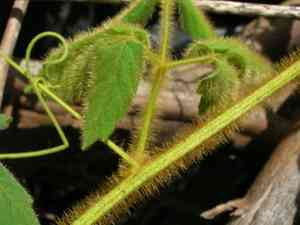
Cardiospermum (Cardiospermum) (Cardiospermum)
Also known as: Balloon Vine, Love in a Puff
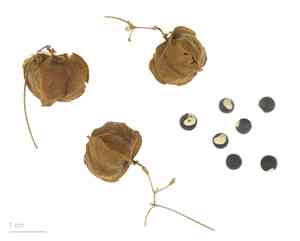
The plant you're referring to is Cardiospermum, which includes both semi-woody and herbaceous vines. These vines can be either annual or perennial, based on the species. Commonly grown as ornamental vines in herb gardens, they flourish in warm climates and propagate through seeding. After flowering in the summer, they produce distinctive balloon-shaped seed pods.
In This Article
Attributes of Cardiospermum (Cardiospermum)
Lifespan
Annual
Plant Height
Up to 3 meters
Spread
Not specifically measureable for herbaceous plants
Leaf Color
Green
Flower Size
Around 0.5 cm
Flower Color
White
Images of Cardiospermum (Cardiospermum)
Quickly Identify Cardiospermum (Cardiospermum)
1
Look for small, white flowers and distinctive inflated seed capsules that resemble balloons. The leaves are finely divided and tend to have a feathery appearance.
Scientific Classification of Cardiospermum (Cardiospermum)
Phylum
Magnoliophyta
Class
Magnoliopsida
Order
Sapindales
Family
Sapindaceae
Genus
Cardiospermum
Planting and Growing of Cardiospermum (Cardiospermum)
Care Difficulty
Moderate
Watering Schedule
Every 4 days
Sunlight Requirements
Partial sun
Sunshine Duration
10-14 hours
Ideal Temperature
65-75℉
Soil Type
Potting Mix, Peat Mix
Soil pH
6-7.5
Fertilizer Type
Balanced
Pruning Season
Spring, Summer
Pruning Area
Branches, Leaves
Pruning Frequency
2 times a year
Repotting Season
Spring
Pot Type
Plastic, Ceramic
 How to Water Cardiospermum (Cardiospermum)?
When watering Cardiospermum, aim to mimic its natural habitat conditions. Water until it begins to drain from the bottom of the pot, ensuring that the entire root system receives moisture. A general rule of thumb is about 500ml per watering session, but environmental factors such as temperature and humidity should be considered.
What are the symptoms of an underwatered Cardiospermum (Cardiospermum)?
›
What should I do if my Cardiospermum (Cardiospermum) is not getting enough water?
›
What are the symptoms of an overwatered Cardiospermum (Cardiospermum)?
›
How to save an overwatered Cardiospermum (Cardiospermum)?
›
 What Are the Sunlight Requirements for Cardiospermum (Cardiospermum)?
Cardiospermum typically thrives in partial sun conditions. Ideal lighting promotes lush growth, increases flowering, and maintains the plant's structural integrity.
What environment does Cardiospermum thrive in?
›
How to achieve optimal lighting for Cardiospermum?
›
What are the benefits of ideal lighting for Cardiospermum?
›
 What Is the Ideal Temperature Range for Cardiospermum (Cardiospermum)?
The ideal temperature range for Cardiospermum, or balloon vine, is between 65°F and 75°F. Within this range, the plant can thrive and exhibit optimal growth as it allows for sufficient warmth necessary for its metabolic processes. These temperatures are similar to its native tropical environment and help in maintaining healthy foliage and flowers.
 What Soil is Best for Cardiospermum (Cardiospermum)?
Cardiospermum thrives in well-drained soil that prevents waterlogging. Well-drained soil ensures that the roots receive sufficient oxygen and reduces the risk of root rot, promoting healthy growth. This plant flourishes in nutrient-rich soils that supply the essential nutrients it needs. Fertile soil enhances the plant's growth, flowering, and overall health, resulting in more vibrant foliage. Moderate moisture retention is vital for Cardiospermum. It ensures that the plant remains hydrated without being overly wet, maintaining a balance that supports steady growth and resilience.
 How to Fertilize Cardiospermum (Cardiospermum)?
When fertilizing Cardiospermum, it is important to apply a balanced, general-purpose fertilizer at half the recommended strength to avoid overfeeding. Approximately 10-15 ml of liquid fertilizer mixed in 1 liter of water should be sufficient during the growing season.
 How to Prune Cardiospermum (Cardiospermum)?
Excessive pruning can stress the plant, weakening its structure and exposing it to pests. Always ensure not more than a third of the plant is pruned in one session to maintain its health. After pruning, observe the plant's response for a few weeks. Look for wilting or discoloration, which might indicate shock. Adjust water and nutrient levels accordingly to support recovery.
 How to Propagate Cardiospermum (Cardiospermum) plant?
1
When propagating by seed, collect seeds from mature Cardiospermum plants a few days before planting. For cutting propagation, choose healthy stems and use sharp pruning shears to take cuttings that are about 3-6 inches long.
2
Use a well-draining soil mix or seed starting mix for sowing seeds or insert cuttings. The medium should subtly resist compaction while remaining airy to facilitate root growth.
3
Sow seeds or insert cuttings in the prepared medium. Water sparingly to keep the medium moist but not saturated to prevent rotting or fungal issues.
 How to Repot Cardiospermum (Cardiospermum) plant?
1
Repot Cardiospermum when you notice roots emerging from the pot's drainage holes or if the plant's growth has slowed down. Spring or early summer is ideal since the plant is generally in its active growth phase, which allows it to recover swiftly from the transplant shock.
2
Select a pot about one or two inches larger in diameter than the current one to allow room for growth. Ensure it has good drainage holes to prevent water accumulation, which can lead to root rot. A larger pot supports more robust root development, essential for healthy plant growth.
3
Opt for a well-draining potting mix that retains moisture without becoming waterlogged. Incorporate components like perlite or sand to improve aeration. This soil structure allows roots to breathe and avoids conditions favorable to root diseases, supporting vigorous plant growth.
Toxicity
Ingestion, ingestion or contact with plant parts
WARNING
The judgment on toxicity and danger is for reference only. We DO NOT GUARANTEE any accuracy of such judgment. Therefore, you SHALL NOT rely on such judgment. It is IMPORTANT TO SEEK PROFESSIONAL ADVICE in advance when necessary.
Learn More About Cardiospermum (Cardiospermum) Diseases
Anthracnose
Bacterial Leaf Spot
Bacterial Soft Rot
Bacterial Wilt
Black Spot
Chemical Injury
Crown Gall
Cyst Nematode
Damping-off
Downy Mildew
Drought Stress
Fusarium Wilt
Gray Mold
Leaf Curl
Leaf Spot
Mosaic
Nutrient Deficiency
Nutrient Toxicity
Powdery Mildew
Root Rot
Root-knot Nematode
Rusts
Sooty Mold
Spider Mites
Temperature Stress
Thrips Damage
White Mold

