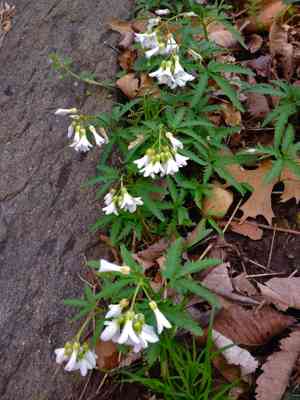
Bittercresses (Cardamine) (Cardamine)
Also known as: Bittercress
Bittercresses, part of the mustard family, are commonly found as weeds in colder months. These plants can flourish in shaded areas and offer vital nourishment to moths, butterflies, bees, and other insects.
In This Article
Attributes of Bittercresses (Cardamine)
Lifespan
Biennial, Annual, Perennial
Plant Height
10-50 cm
Spread
Not applicable
Leaf Color
Green
Flower Size
Up to 1 cm
Flower Color
White Purple
Images of Bittercresses (Cardamine)
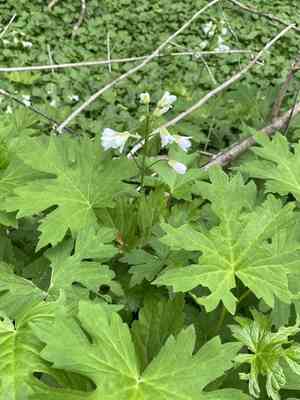
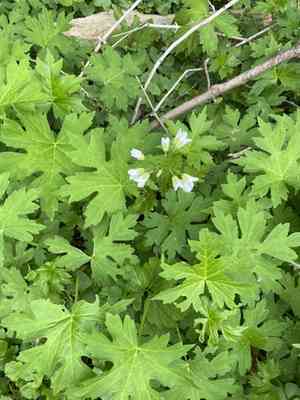
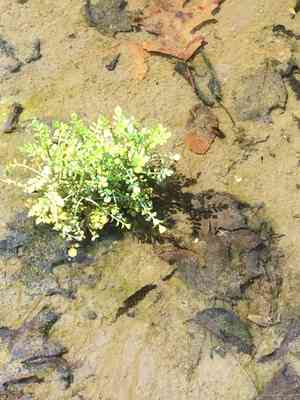
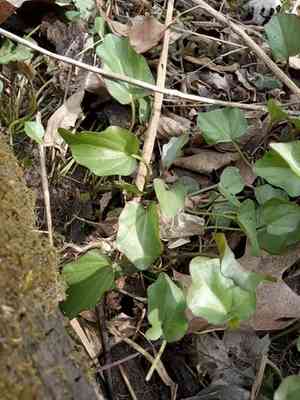
Quickly Identify Bittercresses (Cardamine)
1
Cardamine species can be identified by their pinnate leaves, usually with several pairs of leaflets, and small, four-petaled flowers typically white or pink in color. They often have slender, wiry stems and produce small seed pods called siliques.
Scientific Classification of Bittercresses (Cardamine)
Phylum
Tracheophyta
Class
Magnoliopsida
Order
Brassicales
Family
Brassicaceae
Genus
Cardamine
Planting and Growing of Bittercresses (Cardamine)
Care Difficulty
Moderate
Watering Schedule
Every 8 days
Sunlight Requirements
Partial sun
Sunshine Duration
6-10 hours
Ideal Temperature
50-70℉
Soil Type
Potting Mix, Peat Mix
Soil pH
6.5-7.5
Fertilizer Type
Balanced
Pruning Season
Spring, Summer
Pruning Area
Branches, Leaves
Pruning Frequency
2 times a year
Repotting Season
Spring
Pot Type
Plastic, Ceramic
 How to Water Bittercresses (Cardamine)?
Cardamine plants prefer their soil to be consistently moist but not waterlogged. The key is to ensure that the top inch of soil is dry before watering again, using approximately 200 ml of water each time. This ensures the roots receive enough moisture without drowning.
What are the symptoms of an underwatered Bittercresses (Cardamine)?
›
What should I do if my Bittercresses (Cardamine) is not getting enough water?
›
What are the symptoms of an overwatered Bittercresses (Cardamine)?
›
How to save an overwatered Bittercresses (Cardamine)?
›
 What Are the Sunlight Requirements for Bittercresses (Cardamine)?
Cardamine thrives in partial sun, typically receiving 3 to 6 hours of gentle sunlight. This light range supports robust growth and helps prevent stress due to overexposure or insufficient light.
Solution for Ideal Lighting
›
How to Achieve Ideal Light
›
Benefits of Ideal Lighting
›
 What Is the Ideal Temperature Range for Bittercresses (Cardamine)?
The ideal temperature range for Cardamine plants lies between 50 and 70 degrees Fahrenheit. These temperatures provide an optimal environment for their growth. In this range, the plant can effectively undergo photosynthesis, absorb nutrients, and exhibit healthy foliage. Maintaining this temperature helps in achieving lush green leaves and vibrant growth.
 What Soil is Best for Bittercresses (Cardamine)?
Cardamine thrives best in well-draining soil as it allows air to reach the roots while preventing waterlogging, which can lead to root rot. Ensuring proper drainage keeps the plant healthy and supports robust growth. Soils rich in organic matter provide essential nutrients and improve soil structure, boosting the health of Cardamine. This nutrient-rich environment supports vigorous growth and increases the plant's resilience against diseases. While well-draining, the soil should still retain some moisture since Cardamine prefers consistently moist conditions. Sufficient moisture retention helps the plant absorb necessary nutrients and maintain lush foliage.
 How to Fertilize Bittercresses (Cardamine)?
Cardamine plants can be sensitive to over-fertilization, so it is essential to keep doses moderate. For liquid fertilizers, use a diluted solution at one-quarter the recommended strength for most houseplants. Slow-release fertilizers should be applied sparingly, according to package directions, typically around 5 grams per plant.
 How to Prune Bittercresses (Cardamine)?
Begin by removing spent flowers and any dead or yellowing leaves. This encourages new blooms and keeps the plant looking its best. Cut back to the base of the flower stem to promote regrowth. Trim the outer edges to control the shape and size. Make angled cuts just above a leaf node to stimulate new growth. This helps the plant stay compact and prevent it from becoming unruly.
 How to Propagate Bittercresses (Cardamine) plant?
1
Start by preparing a well-draining growing medium mixed with compost. This provides the seeds or divisions with the nutrients they need to grow. Ensure the medium is consistently moist but not waterlogged.
2
Place the seeds on the surface of the growing medium and lightly cover them with a fine layer of soil. This helps maintain moisture and ensures that the seeds have contact with the soil for germination.
3
Gently remove the parent plant from its pot and shake off excess soil. Use a sharp knife to divide the plant into smaller sections, ensuring each section has a portion of the root system. Replant the divisions immediately in prepared pots.
 How to Repot Bittercresses (Cardamine) plant?
1
You should consider repotting Cardamine when signs of being root-bound appear, such as roots emerging from the drainage holes or stunted growth. The best time to repot is in the spring or autumn when the plant is not in its peak growing season.
2
Select a pot that is one size larger than the current one to allow for growth, ensuring it has adequate drainage holes. This prevents water from accumulating at the bottom, reducing the risk of root rot and promoting healthy root development.
3
Opt for a well-draining, loamy soil that retains moisture but allows excess water to escape. This soil composition balances air and moisture needs, providing Cardamine with the best environment for root growth and nutrient absorption.

