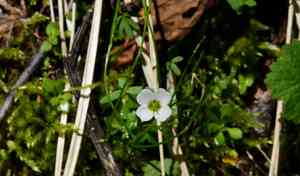
Saddle mountain bittercress (Cardamine pattersonii)
Also known as: Patterson's Bittercress
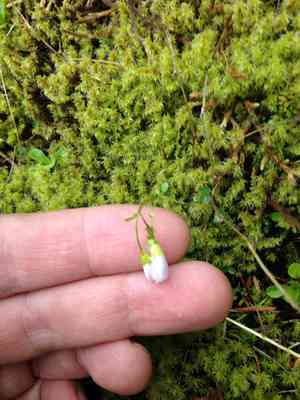
Saddle Mountain bittercress is a perennial herb that flourishes in cool, moist, and shaded environments, typically near streams or in damp woodland areas. It features delicate white or pale pink flowers with four petals, characteristic of the Brassicaceae family. Its leaves are pinnately divided, creating a feathery appearance. These adaptations help the plant optimize light absorption and attract pollinators in its natural habitat.
In This Article
Attributes of Saddle mountain bittercress
Lifespan
Perennial
Plant Type
Herb
Plant Height
20-50 cm
Spread
N/A (Herbaceous plant with no significant crown)
Leaf Color
Green
Flower Size
0.5-1 cm
Flower Color
White to pale pink
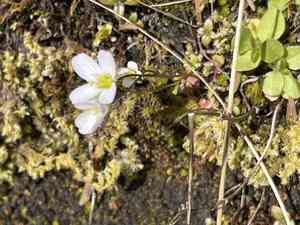
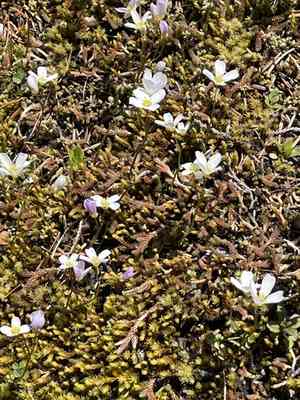
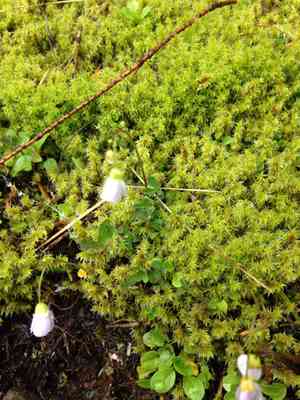
Images of Saddle mountain bittercress
Quickly Identify Saddle mountain bittercress
1
Cardamine pattersonii can be identified by its compound leaves with multiple leaflet pairs, white to pink small flowers, and slender, elongated seed pods. The stem is typically smooth and somewhat erect.
Scientific Classification of Saddle mountain bittercress
Phylum
Vascular plants
Class
Dicotyledons
Order
Brassicales
Family
Cruciferae
Genus
Bittercresses
Species
Saddle mountain bittercress
Planting and Growing of Saddle mountain bittercress
Care Difficulty
Moderate
Watering Schedule
Every 4 days
Sunlight Requirements
Partial sun
Sunshine Duration
4-8 hours
Ideal Temperature
50-75℉
Soil Type
Potting Mix, Peat Mix
Soil pH
6.5-7.5
Fertilizer Type
Balanced
Pruning Season
Spring, Summer
Pruning Area
Branches, Leaves
Pruning Frequency
2 times a year
Repotting Season
Spring
Pot Type
Plastic, Terracotta
 How to Water Saddle mountain bittercress?
For Cardamine pattersonii, a steady and even amount of water is crucial to keep it thriving. You should aim to water approximately 150 milliliters each time, ensuring the soil is sufficiently moist but not waterlogged. This amount allows the roots to gain the right balance of moisture necessary for optimal growth without causing root rot or other water-related issues.
What are the symptoms of an underwatered Saddle mountain bittercress?
›
What should I do if my Saddle mountain bittercress is not getting enough water?
›
What are the symptoms of an overwatered Saddle mountain bittercress?
›
How to save an overwatered Saddle mountain bittercress?
›
 What Are the Sunlight Requirements for Saddle mountain bittercress?
Partial sunlight is optimal, ensuring Cardamine pattersonii receives enough light to thrive but not so much that it becomes dehydrated or sunburned, fostering healthy foliage and blooms.
Why is indirect light important for Cardamine pattersonii?
›
How to ensure optimal lighting?
›
Benefits of achieving ideal light conditions?
›
 What Is the Ideal Temperature Range for Saddle mountain bittercress?
The ideal temperature range for Cardamine pattersonii is between 50 and 75 degrees Fahrenheit. This range supports optimal metabolic activities and ensures healthy growth and development. Maintaining this temperature range helps prevent stress and encourages flowering and leaf production.
 What Soil is Best for Saddle mountain bittercress?
Moisture retention is crucial for Cardamine pattersonii, as it thrives in slightly damp environments. Loamy soil offers excellent water-holding capabilities while ensuring adequate drainage, preventing root rot and ensuring sustained growth. Nutrient-rich soil is essential for robust growth. The plant benefits from soils enriched with organic matter, providing the necessary nutrients for lush foliage and vibrant blooms. The ideal soil structure should allow for air circulation while maintaining moisture. Sandy loam provides a perfect balance, preventing compacting and promoting healthy root development.
 How to Fertilize Saddle mountain bittercress?
For Cardamine pattersonii, apply liquid fertilizer at a rate of 1 teaspoon per gallon of water. This amount ensures the plant receives adequate nutrition without overwhelming its root system, allowing for healthy growth.
 How to Prune Saddle mountain bittercress?
Begin by removing any dead or diseased parts of the plant. These parts appear discolored or brittle, and removing them prevents the spread of disease and encourages new growth. Trim back old growth to promote fresh, robust growth. Make clean cuts at a slight angle just above a leaf node or bud to encourage the plant to branch out healthily. Shape the plant by evenly pruning around its perimeter. This not only improves the appearance of Cardamine pattersonii but also ensures that sunlight reaches all parts of the plant, promoting uniform growth.
More About Pruning Techniques→
 How to Propagate Saddle mountain bittercress plant?
1
Fill seed trays with potting mix, ensuring it is level and firm. Water the mix lightly to ensure it is evenly moist before sowing the seeds.
2
Sow the seeds of Cardamine pattersonii thinly on top of the moistened potting mix, cover with a fine layer of vermiculite or potting mix, and water gently.
3
In spring, divide mature Cardamine pattersonii plants by carefully separating the clumps, ensuring each section has roots attached, and replant immediately.
4
Keep the soil consistently moist but not waterlogged, and provide adequate lighting to ensure healthy growth during initial stages.
 How to Repot Saddle mountain bittercress plant?
1
Cardamine pattersonii signals its need for repotting when you notice roots poking out of the drainage holes or a noticeable slowdown in growth. Spring is the ideal time to repot, capitalizing on the plant's active growth phase. Watch for these signs, and ensure you plan the repotting process accordingly.
2
Select a pot that is one size larger than the current one and ensures good drainage. The benefits of a larger pot include ample space for growth and moisture retention. A well-draining pot prevents waterlogging, protecting the roots from rot.
3
Opt for well-drained loamy soil to provide Cardamine pattersonii with the perfect balance of moisture retention and aeration. This soil type supports healthy root development and nutrient availability, ensuring your plant continues to flourish.



