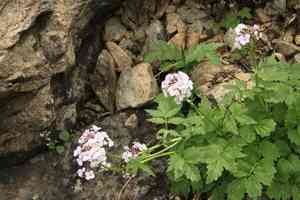
Large-leaved cuckoo flower (Cardamine macrophylla)
Also known as: Large-Leafed Bittercress, Broadleaf Bittercress
The large-leaved cuckoo flower boasts attractive pinnate leaves and charming pink blossoms, making it a delightful addition to ornamental gardens. This plant flourishes in shaded environments, similar to its natural woodland and crevice habitats. It does particularly well when planted beneath garden trees and shrubs, where it can enjoy dappled sunlight and shelter.
In This Article
Attributes of Large-leaved cuckoo flower
Lifespan
Perennial
Plant Type
Herb
Plant Height
30-60 cm
Spread
20-40 cm
Leaf Color
Dark green
Flower Size
0.5-1 cm
Flower Color
White Purple Pink
Images of Large-leaved cuckoo flower
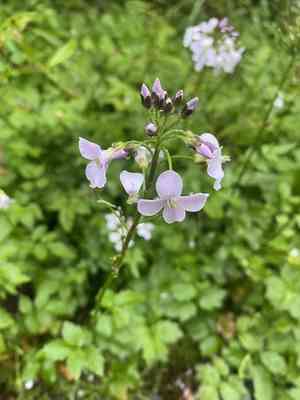
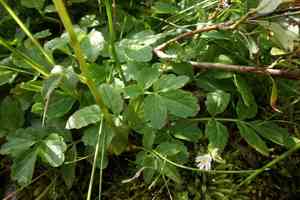

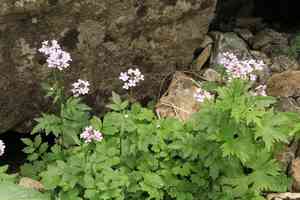
Quickly Identify Large-leaved cuckoo flower
1
Identifying Cardamine macrophylla involves looking for large, pinnate leaves with multiple leaflets, a rosette form at the base, and clusters of small white to pale pink flowers. It often grows in moist, shaded environments.
Scientific Classification of Large-leaved cuckoo flower
Phylum
Vascular plants
Class
Dicotyledons
Order
Mustards, capers, and allies
Family
Cruciferae
Genus
Bittercresses
Species
Large-leaved cuckoo flower
Planting and Growing of Large-leaved cuckoo flower
Care Difficulty
Easy
Watering Schedule
Every 4 days
Sunlight Requirements
Partial sun
Sunshine Duration
4-8 hours
Ideal Temperature
50-68℉
Soil Type
Potting Mix, Peat Mix
Soil pH
6.5-7.5
Fertilizer Type
Balanced
Pruning Season
Spring, Summer
Pruning Area
Branches, Leaves
Pruning Frequency
2 times a year
Repotting Season
Spring
Pot Type
Plastic, Ceramic
 How to Water Large-leaved cuckoo flower?
Cardamine macrophylla likes its soil to be consistently moist but not waterlogged. Water around 250ml each time, ensuring the water reaches a depth sufficient to moisten the roots without leading to stagnant water.
What are the symptoms of an underwatered Large-leaved cuckoo flower?
›
What should I do if my Large-leaved cuckoo flower is not getting enough water?
›
What are the symptoms of an overwatered Large-leaved cuckoo flower?
›
How to save an overwatered Large-leaved cuckoo flower?
›
 What Are the Sunlight Requirements for Large-leaved cuckoo flower?
Partial sun, such as a shady garden corner with access to gentle morning light, is ideal. This helps maintain healthy growth and full leaf color in Cardamine macrophylla.
How much sunlight does Cardamine macrophylla need?
›
What are the best placements for this plant?
›
What improvements occur with optimal lighting?
›
 What Is the Ideal Temperature Range for Large-leaved cuckoo flower?
The ideal temperature range for growing Cardamine macrophylla is between 50°F to 68°F. Maintaining this range allows the plant to photosynthesize efficiently and supports optimal metabolic functions, promoting healthy growth. Ensuring consistent temperature levels within this range can help prevent stress that might otherwise lead to issues such as reduced flowering or stunted growth.
 What Soil is Best for Large-leaved cuckoo flower?
Cardamine macrophylla thrives in soil that can retain adequate moisture, which is essential for its lush foliage and overall health. This ensures a constant supply of water to the roots, crucial for its growth. This plant flourishes in nutrient-rich loam that provides essential minerals. Rich soil supports vigorous growth, vibrant leaf color, and helps the plant resist diseases. While moisture retention is vital, proper drainage is equally important to prevent waterlogging which can lead to root rot. Loam and clay soils with good structure facilitate this balance effectively.
 How to Fertilize Large-leaved cuckoo flower?
For Cardamine macrophylla, the fertilizer amount should be moderate. Use about half the recommended dose of a balanced liquid fertilizer, approximately 10-15 ml per liter of water, to ensure optimal growth.
 How to Prune Large-leaved cuckoo flower?
Begin by identifying any dead, damaged, or diseased shoots on the plant. These should be your primary focus, as removing them helps prevent the spread of disease and promotes healthier growth. For maintaining an aesthetically pleasing shape, consider selectively pruning overgrown or awkwardly growing branches. This helps maintain the natural form of Cardamine macrophylla and encourages fuller, bushier growth. Ensure proper airflow by thinning out dense areas of the plant. This helps reduce the risk of fungal infections and allows sunlight to penetrate and nourish inner foliage, promoting even growth throughout the plant.
More About Pruning Techniques→
 How to Propagate Large-leaved cuckoo flower plant?
1
Start by filling a seed tray with a well-draining seed mix. Sow the Cardamine macrophylla seeds on the surface, lightly covering them with a thin layer of soil. Keep the soil consistently moist and place the tray in a warm, bright location until germination occurs after about 2-3 weeks.
2
For cutting propagation, cut a healthy stem of 3-4 inches from a mature plant using sterilized pruners. Trim the lower leaves and dip the cut end into rooting hormone. Plant the cutting into a pot filled with moist, well-draining soil, then cover it with a plastic bag to maintain humidity.
3
Divide established plants in early spring. Carefully dig up the plant, ensuring minimal root disturbance. Use a sharp knife to separate clumps into smaller sections, making sure each section has roots attached. Replant the divisions immediately into prepared ground or containers with fresh soil.
 How to Repot Large-leaved cuckoo flower plant?
1
Cardamine macrophylla signals the need for repotting when it becomes root bound, with roots visibly escaping drainage holes or circling inside the pot. Additionally, if you notice reduced growth despite proper care, this might indicate it’s time to refresh the soil and give the roots more space. Both spring and autumn are ideal seasons, as they are less stressful times for the plant.
2
Choose a pot that is 1-2 inches larger in diameter than the current one. This provides extra room for growth without overwhelming the plant with too much space, which can lead to overwatering. Ensure the pot has adequate drainage holes to avoid water retention, which is crucial for preventing root rot.
3
Choose a well-draining loam mix for repotting your Cardamine macrophylla. This ensures proper aeration and moisture balance in the soil, preventing the roots from sitting in water. The right soil mix will also provide essential nutrients, promoting healthier growth and resilience.



