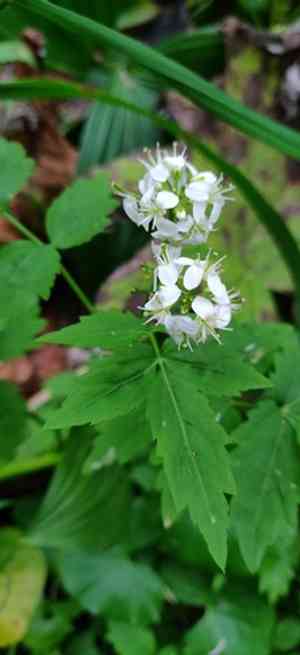
Korean bittercress (Cardamine leucantha)
Also known as: White Bittercress
Korean bittercress is a perennial plant that thrives in moist and shaded environments, such as along stream banks, near ponds, and in mountainous regions across Japan, China, and East Asia. This plant produces white flowers in mid-spring and summer, attracting butterflies. It also serves as a host plant for species like the green-veined white (Pieris napi) and grey-veined white (Pieris melete) butterflies.
In This Article
Attributes of Korean bittercress
Lifespan
Perennial
Plant Type
Herb
Plant Height
30 cm to 75 cm
Spread
20-30 cm
Leaf Color
Green
Flower Size
1-1.5 cm
Flower Color
White Purple
Images of Korean bittercress
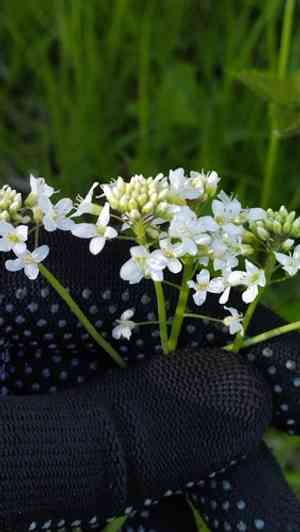
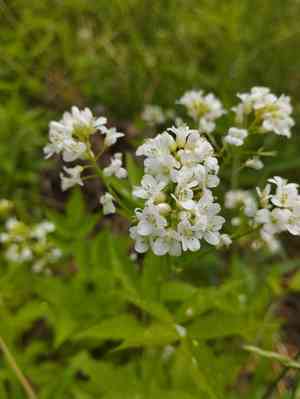
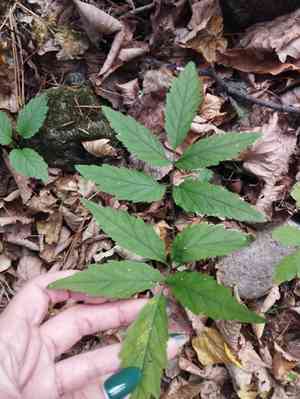
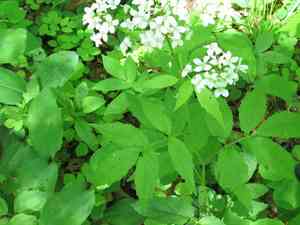
Quickly Identify Korean bittercress
1
Identify Cardamine leucantha by its pinnate leaves with several pairs of leaflets and terminal leaflet larger than the others. The white, four-petaled flowers and slender seed pods (siliques) are distinguishing characteristics.
Scientific Classification of Korean bittercress
Phylum
Vascular plants
Class
Dicotyledons
Order
Mustards, capers, and allies
Family
Cruciferae
Genus
Bittercresses
Species
Korean bittercress
Planting and Growing of Korean bittercress
Care Difficulty
Easy
Watering Schedule
Every 10 days
Sunlight Requirements
Partial sun
Sunshine Duration
6-10 hours
Ideal Temperature
60-75℉
Soil Type
Potting Mix, Peat Mix
Soil pH
6.5-7.5
Fertilizer Type
Balanced
Pruning Season
Spring, Summer
Pruning Area
Branches, Leaves
Pruning Frequency
2 times a year
Repotting Season
Spring
Pot Type
Terracotta, Plastic
 How to Water Korean bittercress?
The amount of water for Cardamine leucantha should be moderate, ensuring the soil remains moist but not waterlogged. Aim for approximately 250 milliliters per watering session, enough to deeply hydrate the soil without excess pooling, allowing water to reach the roots adequately.
What are the symptoms of an underwatered Korean bittercress?
›
What should I do if my Korean bittercress is not getting enough water?
›
What are the symptoms of an overwatered Korean bittercress?
›
How to save an overwatered Korean bittercress?
›
 What Are the Sunlight Requirements for Korean bittercress?
Partial sun is ideal, offering a balance where the plant can grow strongly with enough energy for blossoming, promoting healthy and lush foliage.
More About Sunlight Requirements Techniques→
What is the best lighting condition?
›
How to achieve the ideal lighting?
›
What are the benefits of ideal light conditions?
›
 What Is the Ideal Temperature Range for Korean bittercress?
Cardamine leucantha thrives in a temperature range of 60°F to 75°F. This range supports optimal growth, allowing the plant to maintain its natural processes with minimal stress and to maximize its photosynthesis and overall health.
 What Soil is Best for Korean bittercress?
Cardamine leucantha thrives in nutrient-rich soil. Ensuring the soil is high in organic matter benefits the plant by promoting healthy growth and robust flowering. Regularly amending with compost or well-rotted manure can achieve this nutrient-rich profile. The plant requires soil with good moisture retention capabilities. This helps to ensure that the roots remain adequately hydrated, especially in dry periods, supporting overall plant health and reducing stress. Well-draining soil is essential to prevent waterlogging, which can lead to root rot. Using soil that allows excess water to flow away helps in avoiding these detrimental conditions and keeps the roots healthy.
 How to Fertilize Korean bittercress?
Cardamine leucantha prefers a moderate amount of fertilizer. When using liquid fertilizer, apply half-strength to avoid nutrient burn. For slow-release granules, use about 28 grams per square meter. Adjust the amount based on plant size and growth rate.
 How to Prune Korean bittercress?
Begin by examining the plant and identifying any dead, overcrowded, or diseased foliage. These are the primary targets for pruning, as removing them will enhance airflow and light penetration. When pruning, make clean cuts at a slight angle just above a leaf node or bud. This technique encourages water runoff and promotes the healthy regrowth of the plant.
More About Pruning Techniques→
 How to Propagate Korean bittercress plant?
1
Begin by filling the seed tray with a well-draining seedling mix. Sow the seeds evenly and cover them lightly with soil. Keep the tray in a warm, well-lit place for germination.
2
Carefully dig up the mature plant, ensuring minimal root disturbance. Gently separate the plant into smaller sections with roots attached and replant them immediately.
3
Select a healthy stem and cut a segment of about 4-6 inches. Remove any lower leaves and dip the cut end in rooting hormone before planting it in a moist substrate.
 How to Repot Korean bittercress plant?
1
Cardamine leucantha should be repotted when you notice its roots starting to emerge from the drainage holes or the plant's growth becomes stunted. These are signs that it has outgrown its current pot and needs more space to thrive.
2
Select a pot that is at least one size larger than the current one, with appropriate drainage holes. A slightly larger pot gives roots enough room to grow and helps maintain better soil moisture balance, essential for Cardamine leucantha's health.
3
An ideal soil mix for repotting should be rich in organic matter, ensuring moisture retention yet well-drained. This type of soil helps in mimicking the natural habitat of Cardamine leucantha, encouraging robust growth and healthy foliage.



