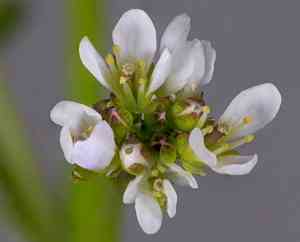
Narrowleaf Bittercress (Cardamine impatiens)
Also known as: Narrow-leaved bitter-cress
Narrowleaf Bittercress (Cardamine impatiens) typically thrives in moist, shaded areas such as forest understories, stream edges, and human-disturbed sites. This biennial herb reproduces by producing seed pods that explosively release seeds, aiding in their dispersal.
In This Article
Attributes of Narrowleaf Bittercress
Lifespan
Annual, Biennial
Plant Type
Herb
Plant Height
20 cm to 60 cm
Spread
Not typically measured; plant habit is an elongated, upright form.
Leaf Color
Green Blue
Flower Size
2 mm
Flower Color
White
Images of Narrowleaf Bittercress
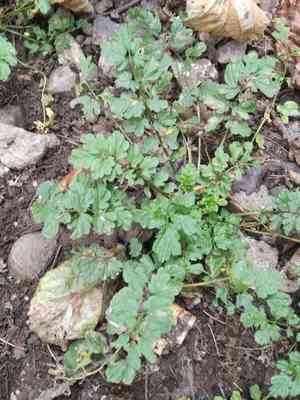
Quickly Identify Narrowleaf Bittercress
1
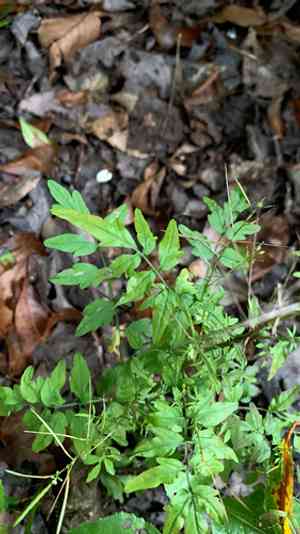
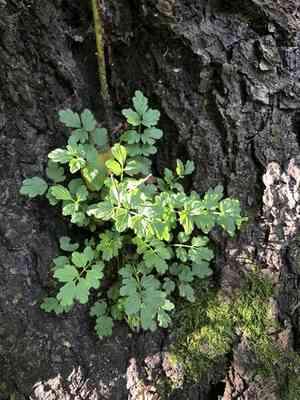
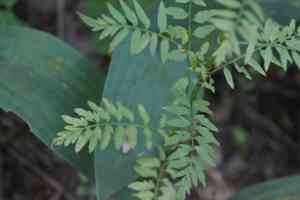
This plant can be identified by its finely divided leaves and small, white to pale pink flowers arranged in elongated clusters. The seed capsules are slender and upright.
Scientific Classification of Narrowleaf Bittercress
Phylum
Vascular plants
Class
Dicotyledons
Order
Brassicales
Family
Cruciferae
Genus
Bittercresses
Species
Narrowleaf Bittercress
Planting and Growing of Narrowleaf Bittercress
Care Difficulty
Easy
Watering Schedule
Every 2 days
Sunlight Requirements
Partial sun
Sunshine Duration
6-10 hours
Ideal Temperature
50-68℉
Soil Type
Potting Mix, Peat Mix
Soil pH
6.5-7.5
Fertilizer Type
Balanced
Pruning Season
Spring, Summer
Pruning Area
Branches, Leaves
Pruning Frequency
2 times a year
Repotting Season
Spring
Pot Type
Plastic, Terracotta
 How to Water Narrowleaf Bittercress?
Cardamine impatiens enjoys a moderate amount of water to keep the soil lightly moist. Water around 200 ml each time, enough to ensure the top inch of soil is damp but not soggy. Overwatering should be avoided as it can lead to root rot.
What are the symptoms of an underwatered Narrowleaf Bittercress?
›
What should I do if my Narrowleaf Bittercress is not getting enough water?
›
What are the symptoms of an overwatered Narrowleaf Bittercress?
›
How to save an overwatered Narrowleaf Bittercress?
›
 What Are the Sunlight Requirements for Narrowleaf Bittercress?
Partial sunlight is ideal for Cardamine impatiens, promoting healthy growth and vitality. This range balances light intake, minimizing damage and optimizing photosynthesis for vibrant foliage.
How much sunlight does Cardamine impatiens prefer?
›
What are solutions to achieve ideal lighting?
›
What are the benefits of ideal lighting for Cardamine impatiens?
›
 What Is the Ideal Temperature Range for Narrowleaf Bittercress?
For optimal growth of Cardamine impatiens, maintaining a temperature between 50°F and 68°F is ideal. This range ensures proper physiological processes, including photosynthesis and nutrient uptake, are not disrupted, promoting robust plant health.
 What Soil is Best for Narrowleaf Bittercress?
Cardamine impatiens thrives best in nutrient-rich soil, which provides essential minerals and nutrients supporting its growth and flowering. Ensuring the soil has a robust nutrient profile will lead to healthier and more vibrant plants. The plant prefers well-drained soil to prevent waterlogging, which can lead to root rot and other issues. Adequate drainage promotes healthy root development, vital for the overall health of the plant. While drainage is crucial, maintaining some soil moisture is equally important. Loamy soil balances drainage and moisture retention, ensuring that the plant remains hydrated without being waterlogged.
 How to Fertilize Narrowleaf Bittercress?
For Cardamine impatiens, use a balanced fertilizer at a concentration of 50% of what's recommended for typical houseplants. Ensure to dilute it to prevent root burn and support the plant's growth during its active growing period.
 How to Prune Narrowleaf Bittercress?
Before starting, carefully inspect your Cardamine impatiens to identify dead, damaged, or diseased stems and leaves. These should be the first targets for pruning to redirect the plant's energy towards healthy growth. Using sharp, clean pruning shears, make precise cuts at a 45-degree angle just above a leaf node or set of lateral shoots. This method encourages the plant to produce new growth and helps maintain a bushy habit. For plants that have become excessively leggy, prune back more thoroughly, cutting up to one-third of the plant's total height. This will help rejuvenate the Cardamine impatiens and encourage more compact, vigorous growth.
 How to Propagate Narrowleaf Bittercress plant?
1
Start by gathering seeds from mature Cardamine impatiens plants or purchasing them from reputable suppliers. Ensure the seeds are clean and dry before planting to avoid mold growth or seed rot during germination.
2
Sow the seeds thinly across the surface of a filled seed tray. Press them gently into the potting mix without covering them entirely; this ensures enough light reaches the seeds, which is crucial for their germination.
3
After sowing, water the seeds lightly using a fine mist to avoid displacing them. Keep the tray in a warm, well-lit area, continually checking for adequate moisture. Avoid letting the soil dry out completely during the germination period.
 How to Repot Narrowleaf Bittercress plant?
1
Cardamine impatiens needs repotting when its roots outgrow the current pot, typically visible through drainage holes or when the soil dries out very quickly after watering. An annual check is advisable to determine if these signs are present, ensuring the plant has sufficient room to grow.
2
Choose a pot that is 1-2 inches larger in diameter than the current one. It is important for the pot to have drainage holes, which help prevent waterlogging and root rot. The new pot should provide stability and enough space for the root system to expand comfortably.
3
Opt for a well-draining potting mix, ideally containing perlite or sand to enhance aeration. This soil selection prevents compaction and facilitates proper water drainage, crucial for the health of Cardamine impatiens. Additionally, a nutrient-rich mix supports healthy plant development.


