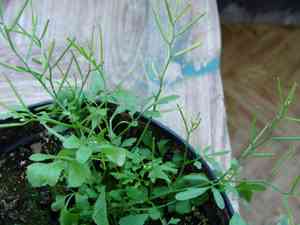
Hairy bittercress (Cardamine hirsuta)
Also known as: Bittercress, Land Cress, Flick weed, Shotweed, Pepperweed
Hairy bittercress, a globally distributed weed, is often encountered in disturbed areas like roadsides and wastelands. This edible plant, known for its bitter taste, disperses its seeds through a rapid movement mechanism. When the seed pods mature, they explosively release seeds, which can travel a considerable distance from the original plant.
In This Article
Attributes of Hairy bittercress
Lifespan
Annual, Biennial
Plant Type
Herb
Plant Height
7 cm to 30 cm
Spread
40 cm
Leaf Color
Green
Flower Size
5 mm
Flower Color
White
Images of Hairy bittercress
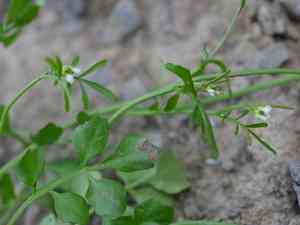
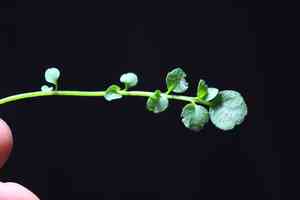
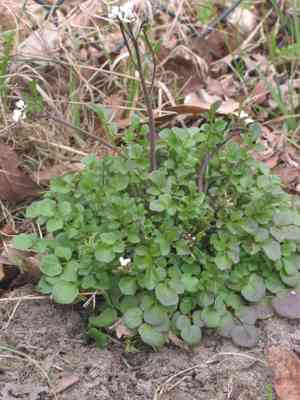
Quickly Identify Hairy bittercress
1
Rosette of small, hairy leaves with compound arrangement.
2
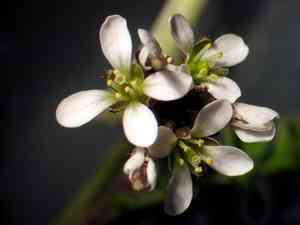
White, four-petaled flowers on slender stems up to 12 inches (30 cm).
3
Elongated purplish-green siliques burst open, propelling seeds.
4
Reniform leaves with lobed, toothed margins, less than 1 inch (2.5 cm).
5
Stems 3-10 inches (7.5-25 cm) tall, erect, branching, variable hairiness.
Scientific Classification of Hairy bittercress
Phylum
Vascular plants
Class
Dicotyledons
Order
Brassicales
Family
Cruciferae
Genus
Bittercresses
Species
Hairy bittercress
Planting and Growing of Hairy bittercress
Care Difficulty
Easy
Watering Schedule
Every 8 days
Sunlight Requirements
Partial sun
Sunshine Duration
4-10 hours
Ideal Temperature
60-75℉
Soil Type
Potting Mix, Peat Mix
Soil pH
6.5-7.5
Fertilizer Type
Balanced
Pruning Season
Spring, Summer
Pruning Area
Branches, Leaves
Pruning Frequency
2 times a year
Repotting Season
Spring
Pot Type
Ceramic, Plastic
 How to Water Hairy bittercress?
For Cardamine hirsuta, water thoroughly until the soil is evenly moist but not soggy. The soil should feel damp to the touch, about an inch deep. This ensures the roots receive the right amount of moisture without becoming waterlogged.
What are the symptoms of an underwatered Hairy bittercress?
›
What should I do if my Hairy bittercress is not getting enough water?
›
What are the symptoms of an overwatered Hairy bittercress?
›
How to save an overwatered Hairy bittercress?
›
 What Are the Sunlight Requirements for Hairy bittercress?
Cardamine hirsuta benefits from partial sun to full shade. These conditions provide balanced light and temperature, encouraging healthy growth and minimal stress.
What is the best lighting condition for Cardamine hirsuta?
›
How can I achieve ideal lighting for Cardamine hirsuta?
›
What are the benefits of ideal lighting conditions for Cardamine hirsuta?
›
 What Is the Ideal Temperature Range for Hairy bittercress?
Cardamine hirsuta thrives best in temperatures ranging from 60°F to 75°F. This range ensures optimal enzymatic activity and energy efficiency during photosynthesis, promoting healthy growth and robust flowering.
 What Soil is Best for Hairy bittercress?
Cardamine hirsuta thrives in well-drained soil, which prevents water from pooling around its roots. This condition helps in reducing the risk of root rot and other fungal diseases, allowing the plant to grow robustly. The plant prefers soil with moderate nutrient content, which is sufficient to support its growth cycle. Excessive nutrients can lead to excessive foliage growth at the expense of flowering, whereas insufficient nutrients can stunt growth. Cardamine hirsuta benefits from soil that retains some moisture yet drains excess water. This balance ensures the plant stays hydrated during dry spells while avoiding oversaturation during wetter conditions.
 How to Fertilize Hairy bittercress?
Cardamine hirsuta requires a balanced approach to fertilization. Use a diluted liquid fertilizer with a concentration of one-fourth of the recommended strength to avoid nutrient burn. For granular fertilizers, apply a thin layer, roughly 10 grams per square meter, ensuring it gets mixed well with the soil to facilitate even nutrient distribution.
 How to Prune Hairy bittercress?
Before pruning, examine your Cardamine hirsuta to identify any dead or diseased parts. Remove these first to enhance the plant's health and prevent any infections from spreading. Focusing on shaping the plant will promote a bushier growth habit. Cut back the long, overgrown stems to encourage new growth and maintain the desired form of the plant. After pruning, provide the plant with good care to promote recovery. This includes adequate watering, proper sunlight exposure, and nutrient-rich soil to stimulate healthy growth.
 How to Propagate Hairy bittercress plant?
1
Begin with preparing a finely textured, moist, and sterile potting mix to create an optimal environment for seed germination and seedling health, ensuring all components are well-mixed.
2
Evenly distribute the seeds on the soil surface without burying them too deeply. Lightly cover them with a thin layer of soil, as they require light to germinate efficiently.
3
Water the seeds gently with a spray bottle to maintain moisture without disturbing the seeds, which is essential for consistent moisture levels until germination occurs.
 How to Repot Hairy bittercress plant?
1
Repotting Cardamine hirsuta is ideally set in motion when you notice roots emerging from the drainage holes or the soil draining too quickly, indicating limited space. Spring is the prime time as the plant enters its growth phase, offering it the best chance to establish comfortably in its new abode.
2
Selecting an appropriate pot for Cardamine hirsuta involves ensuring it is slightly larger than the current one, providing enough space for growth without overwhelming the plant. Opt for a pot with good drainage capabilities to prevent water logging and support root health, crucial for its proper growth.
3
The soil mix should be rich in nutrients but light enough to ensure excellent drainage while supporting healthy root development. A high-quality, well-draining potting mix prevents root rot and aids the plant in absorbing necessary nutrients efficiently, fostering robust growth.



