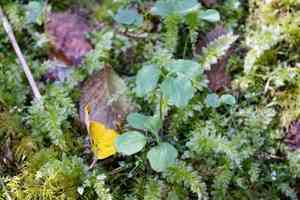
Seaside bittercress (Cardamine angulata)
Also known as: Bittercress
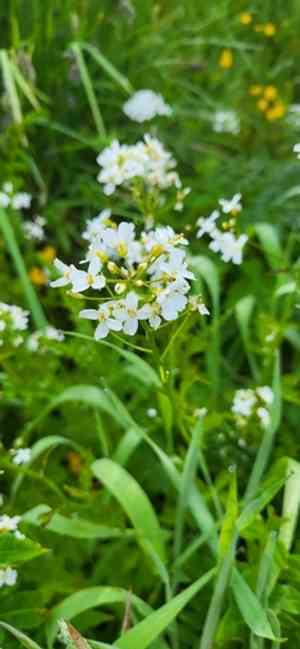
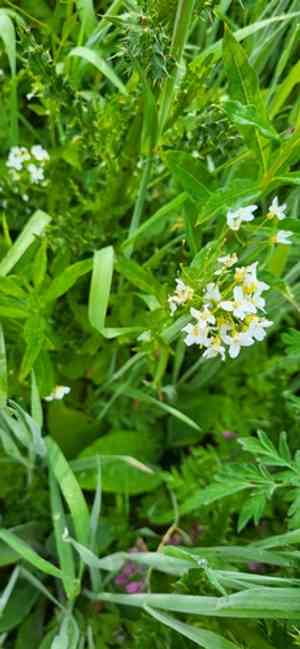
Seaside bittercress (Cardamine angulata) is notable for its small white or pale pink flowers that cluster above finely divided, pinnate leaves. It usually grows to a modest height of 10-30 cm and has a delicate appearance. This plant flourishes in moist, well-drained soils and is commonly found in coastal regions, wetlands, and along riverbanks. It prefers partial to full shade and is well-suited to cool, temperate climates, often carpeting forest floors and thriving in high-moisture environments.
In This Article
Attributes of Seaside bittercress
Lifespan
Perennial
Plant Type
Herb
Plant Height
30 cm to 61 cm
Spread
N/A
Leaf Color
Green
Flower Size
1-1.5 cm
Flower Color
White
Images of Seaside bittercress
Quickly Identify Seaside bittercress
1
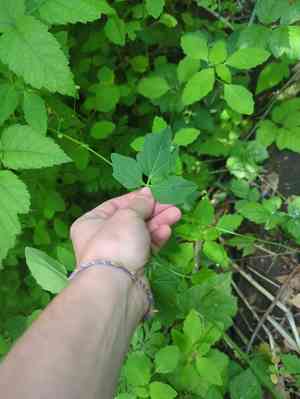
Look for its pinnately compound leaves with 5-9 leaflets and its small, white, four-petaled flowers. This plant often has an angular stem, which is a distinctive feature.
Scientific Classification of Seaside bittercress
Phylum
Vascular plants
Class
Dicotyledons
Order
Brassicales
Family
Cruciferae
Genus
Bittercresses
Species
Seaside bittercress
Planting and Growing of Seaside bittercress
Care Difficulty
Easy
Watering Schedule
Every 3 days
Sunlight Requirements
Partial sun
Sunshine Duration
4-8 hours
Ideal Temperature
60-75℉
Soil Type
Potting Mix, Peat Mix
Soil pH
6-7.5
Fertilizer Type
Balanced
Pruning Season
Spring, Summer
Pruning Area
Branches, Leaves
Pruning Frequency
2 times a year
Repotting Season
Spring
Pot Type
Plastic, Terracotta
 How to Water Seaside bittercress?
Cardamine angulata prefers consistently moist but not waterlogged soil. Watering should saturate the soil without leaving it soggy, ensuring that moisture penetrates deeply into the root zone. This helps maintain optimal hydration levels for the plant.
What are the symptoms of an underwatered Seaside bittercress?
›
What should I do if my Seaside bittercress is not getting enough water?
›
What are the symptoms of an overwatered Seaside bittercress?
›
How to save an overwatered Seaside bittercress?
›
 What Are the Sunlight Requirements for Seaside bittercress?
Cardamine angulata prefers partial sun, receiving dappled sunlight or up to 6 hours of indirect light. Sufficient lighting facilitates healthy growth, vibrant leaf coloration, and robust development, enhancing the plant's resilience to environmental stress.
What is the ideal amount of sunlight for Cardamine angulata?
›
How can I achieve the ideal lighting conditions for my Cardamine angulata?
›
What benefits does Cardamine angulata gain from optimal lighting?
›
 What Is the Ideal Temperature Range for Seaside bittercress?
The ideal temperature range for Cardamine angulata is between 60°F and 75°F. This range supports optimal physiological processes in the plant, fostering healthy growth and robust flowering.
 What Soil is Best for Seaside bittercress?
Cardamine angulata thrives in well-drained soil because it prevents waterlogging, which can lead to root rot. This condition is beneficial for the plant as it ensures the roots receive adequate oxygen and nutrients. A moderate amount of sand in the soil helps improve drainage and aeration. For the plant, this means better root development and access to nutrients, promoting healthier growth. This plant prefers soil enriched with organic matter as it provides essential nutrients and improves soil structure. Organic-rich soil supports vigorous growth and enhances flowering in Cardamine angulata.
 How to Fertilize Seaside bittercress?
For Cardamine angulata, the fertilizer amount should be moderate. With liquid fertilizers, use a diluted solution to prevent root burn. A quarter of the manufacturer's recommended dosage is usually sufficient, safeguarding the roots and ensuring optimal growth.
 How to Prune Seaside bittercress?
Prune Cardamine angulata primarily in the early spring and occasionally in the summer. This timing allows the plant to recover quickly and direct its energy towards healthy growth rather than maintaining damaged parts. Trim excess growth to maintain a uniform shape. This not only keeps the plant aesthetically pleasing but also helps manage its spreading nature, ensuring it doesn’t overshadow neighboring plants. After pruning, apply a balanced fertilizer to assist recovery. Proper nutrition supports robust regrowth and enhances the overall health of Cardamine angulata, making it more resistant to pests and diseases.
More About Pruning Techniques→
 How to Propagate Seaside bittercress plant?
1
Collect seeds from mature Cardamine angulata plants and dry them thoroughly before planting. Ensure seeds are free from any plant debris to prevent mold growth, which can inhibit germination.
2
Identify healthy, disease-free stems and cut them at an angle to increase surface area for rooting. Dip the base of the cutting in rooting hormone powder to encourage faster rooting before planting.
3
Select a mature plant and gently dig around the root to expose it. Carefully divide the root clump into smaller sections, ensuring each section has a viable shoot and root system before replanting.
 How to Repot Seaside bittercress plant?
1
Repot Cardamine angulata when the roots start to emerge from drainage holes, the plant becomes root-bound, or there is minimal growth despite proper care. These are signals that it's craving more space.
2
Select a pot that's one size larger than the current one, with adequate drainage holes. The added room will support healthier root expansion while preventing water logging, reducing root rot risks.
3
Opt for a loamy, well-draining soil mix rich in organic matter. This type of soil retains necessary moisture while allowing excess water to drain, preventing root suffocation and promoting healthy growth.
Learn More About Seaside bittercress Diseases
Anthracnose
Bacterial Leaf Spot
Bacterial Soft Rot
Clubroot
Cyst Nematode
Damping-off
Downy Mildew
Fusarium Wilt
Gray Mold
Leaf Spot
Mosaic
Nutrient Deficiency
Nutrient Toxicity
Powdery Mildew
Root Rot
Root-knot Nematode
Rusts
Sooty Mold
White Mold
Chemical Injury
Drought Stress
Temperature Stress
Spider Mites
Thrips Damage



