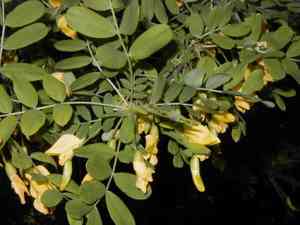
Siberian peashrub (Caragana arborescens)
Also known as: Caragana, Yellow acacia
The Siberian Peashrub (Caragana arborescens) is often utilized for hedgerows. It produces yellow, tubular flowers and has multiple pairs of leaflets. Although it is commonly used in landscape projects for its ornamental value, it can turn invasive without proper care. Its yellow blooms are attractive to butterflies.
Attributes of Siberian peashrub
Images of Siberian peashrub
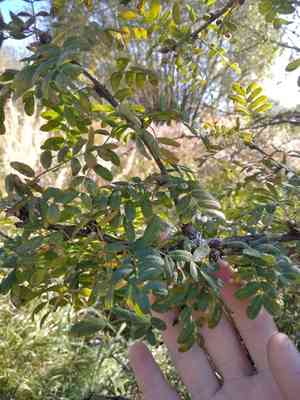
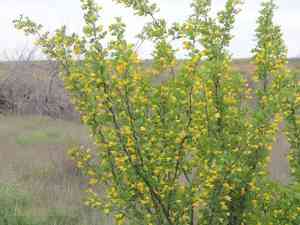
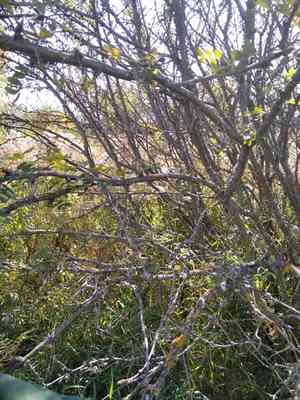
Quickly Identify Siberian peashrub
Scientific Classification of Siberian peashrub
Planting and Growing of Siberian peashrub
 How to Water Siberian peashrub?
 What Are the Sunlight Requirements for Siberian peashrub?
 What Is the Ideal Temperature Range for Siberian peashrub?
 What Soil is Best for Siberian peashrub?
 How to Fertilize Siberian peashrub?
 How to Prune Siberian peashrub?
 How to Propagate Siberian peashrub plant?
 How to Repot Siberian peashrub plant?
Toxicity of Siberian peashrub
Is Siberian peashrub toxic to humans?
The Siberian peashrub is a plant that possesses potential toxicity and can pose harm to humans upon ingestion. Typically, the effects are mild in nature. Consuming the seeds of this plant may lead to symptoms such as vomiting, diarrhea, and nausea. Certain foragers might consume the seeds, considering them a wild edible, without realizing their potentially hazardous attributes.



