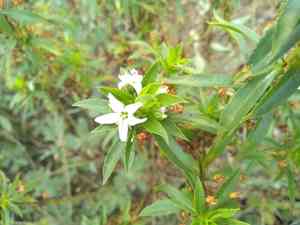
Capraria mexicana (Capraria mexicana)
Also known as: Mexican Tea, Goatweed
Capraria mexicana, a hardy shrub indigenous to Mexico, is well-suited to arid environments. It excels in dry conditions primarily due to its deep root system, enabling it to tap into water sources far below the surface. The plant features small, narrow leaves that minimize water loss, and it can efficiently manage limited water supplies. Blooming with numerous small, white tubular flowers, it attracts pollinators, which are crucial for its reproductive success. Preferring sunny areas, Capraria mexicana's robust nature and heat tolerance underscore its adaptability to harsh climates.
In This Article
Attributes of Capraria mexicana
Lifespan
Perennial
Plant Type
Herb, Shrub
Plant Height
1-2 meters
Spread
1-1.5 meters
Leaf Color
Green
Flower Size
1-2 cm
Flower Color
White or pale yellow
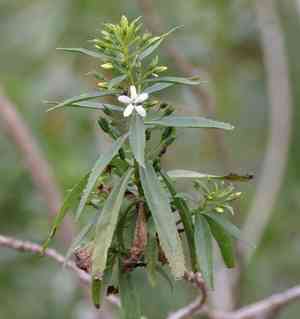
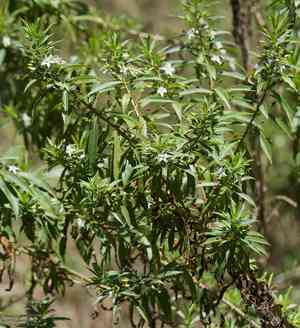
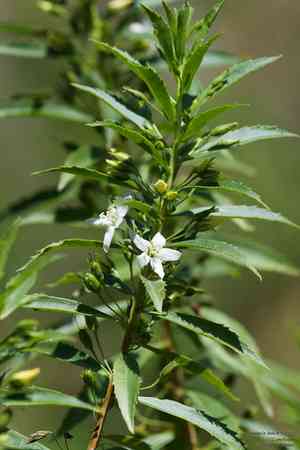
Images of Capraria mexicana
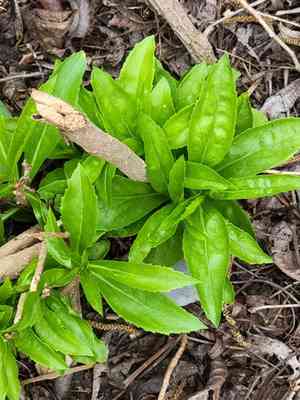
Quickly Identify Capraria mexicana
1
Identify Capraria mexicana by its lanceolate leaves with serrated edges, its white or pale yellow tubular flowers, and its tendency to grow in dense, bushy clumps. The plant typically reaches a height of 1 to 2 meters.
Scientific Classification of Capraria mexicana
Phylum
Vascular plants
Class
Dicotyledons
Order
Lamiales
Family
Figwort
Genus
Capraria
Species
Capraria mexicana
Planting and Growing of Capraria mexicana
Care Difficulty
Easy
Watering Schedule
Every 2 days
Sunlight Requirements
Full sun
Sunshine Duration
8-12 hours
Ideal Temperature
68-77℉
Soil Type
Potting Mix, Peat Mix
Soil pH
6.5-7.5
Fertilizer Type
Balanced
Pruning Season
Spring, Summer
Pruning Area
Branches, Leaves
Pruning Frequency
2 times a year
Repotting Season
Spring
Pot Type
Ceramic, Plastic
 How to Water Capraria mexicana?
The Capraria mexicana requires consistent but moderate watering to thrive. Each watering session should involve approximately 200 milliliters of water. The goal is to thoroughly moisten the soil without creating standing water, which might lead to root rot. It is best to let the top inch of soil dry out between watering sessions.
What are the symptoms of an underwatered Capraria mexicana?
›
What should I do if my Capraria mexicana is not getting enough water?
›
What are the symptoms of an overwatered Capraria mexicana?
›
How to save an overwatered Capraria mexicana?
›
 What Are the Sunlight Requirements for Capraria mexicana?
Capraria mexicana thrives with partial to full sun exposure, benefiting from robust growth, increased flowering, and pest resistance.
What is the ideal lighting condition for Capraria mexicana?
›
How can one achieve these lighting conditions?
›
What benefits do ideal lighting conditions offer?
›
 What Is the Ideal Temperature Range for Capraria mexicana?
The ideal temperature for Capraria mexicana ranges between 68°F and 77°F. This range optimally supports its growth, ensuring the plant can photosynthesize effectively and maintain cellular function. Temperatures within this range mimic the natural habitat conditions to which the plant has adapted.
 What Soil is Best for Capraria mexicana?
Capraria mexicana thrives best in well-draining soil, which prevents water from pooling at the roots. This type of soil reduces the risk of root rot, allowing the plant to absorb nutrients effectively. Rich, fertile soil is crucial for Capraria mexicana. This ensures the plant gets sufficient nutrients to promote robust growth and vibrant flowering, supporting its overall health. While well-draining, the soil should retain moderate moisture. This balance helps sustain the plant during dry spells, ensuring a consistent supply of hydration.
 How to Fertilize Capraria mexicana?
Capraria mexicana, commonly known as the Mexican false heather, benefits from a balanced approach to fertilization. Maintaining proper growth involves using a well-diluted liquid fertilizer, about half the strength recommended for general use, every two weeks during the growing season. For slow-release fertilizers, applying approximately one tablespoon per plant can suffice, ensuring the nutrients are absorbed gradually over time without overwhelming the plant's root system.
 How to Prune Capraria mexicana?
Ensure you have all tools at hand - including gloves, shears, and a sanitizing solution - before beginning to keep the process smooth and efficient. Start by removing any diseased wood, then focus on shaping the plant. Cut at a 45-degree angle just above a bud to encourage new growth in the desired direction. Post-pruning care involves watering the plant thoroughly and inspecting for any potential pests that may harm recovery. This helps the plant regain strength quickly.
More About Pruning Techniques→
 How to Propagate Capraria mexicana plant?
1
Before planting, soak Capraria mexicana seeds in warm water for 24 hours. This helps to soften the seed coat, promoting quicker and more uniform germination when planted.
2
For cutting propagation, select healthy stems that are 10-15 cm long. Strip the lower leaves and dip the cut end into rooting hormone powder before planting in a growing medium.
3
Plant seeds or cuttings in a well-draining potting mix, ensuring they are covered to the correct depth. Place in a warm, bright location but out of direct sunlight to encourage plant establishment.
 How to Repot Capraria mexicana plant?
1
Capraria mexicana should be repotted when you notice roots growing out of the drainage holes, when the plant appears top-heavy, or if the soil is drying out very quickly. These signals usually indicate that the plant has outgrown its current pot and requires more space to thrive.
2
Choose a pot that is one size larger than the current one, ensuring it has good drainage holes. Using a slightly larger pot gives your plant room to grow while reducing the risk of overwatering. Terracotta pots can be beneficial as they allow moisture to evaporate and prevent waterlogging.
3
Opt for a well-draining soil mix rich in organic matter. This type of soil enhances aeration and supports healthy root development. A mix containing peat, perlite, and a bit of sand is excellent, as it mimics the plant's natural environment and provides adequate drainage.
Learn More About Capraria mexicana Diseases
Anthracnose
Bacterial Leaf Spot
Bacterial Soft Rot
Bacterial Wilt
Crown Gall
Cyst Nematode
Damping-off
Downy Mildew
Drought Stress
Fusarium Wilt
Gray Mold
Leaf Spot
Mosaic
Nutrient Deficiency
Nutrient Toxicity
Powdery Mildew
Root Rot
Root-knot Nematode
Rusts
Sooty Mold
Spider Mites
Temperature Stress
Thrips Damage
White Mold
Chemical Injury



