
False croton (Caperonia) (Caperonia)
Also known as: False croton, Caperbush
Caperonia is a genus of flowering plants belonging to the family Euphorbiaceae. They are mostly found in tropical and subtropical regions and are known for their distinctive foliage and small flowers.
In This Article
Attributes of False croton (Caperonia)
Lifespan
Perennial
Plant Height
0.5 to 2 meters
Spread
0.5 to 1 meter
Leaf Color
Green
Flower Size
0.5 to 1 cm
Flower Color
White, Cream
Images of False croton (Caperonia)
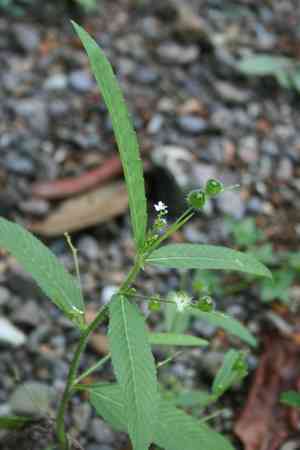
Quickly Identify False croton (Caperonia)
1
Caperonia can be identified by its alternate leaves, often with stipules, and its small, typically white or cream-colored flowers. The leaves are often hairy, and the plants can exude a milky sap when cut.
Scientific Classification of False croton (Caperonia)
Phylum
Tracheophyta
Class
Magnoliopsida
Order
Malpighiales
Family
Euphorbiaceae
Genus
Caperonia
Planting and Growing of False croton (Caperonia)
Care Difficulty
Moderate
Watering Schedule
Every 2 days
Sunlight Requirements
Full sun
Sunshine Duration
6-8 hours
Ideal Temperature
75-85℉
Soil Type
Potting Mix, Peat Mix
Soil pH
6.5-7.5
Fertilizer Type
Balanced
Pruning Season
Spring, Summer
Pruning Area
Branches, Leaves
Pruning Frequency
Once a year
Repotting Season
Spring
Pot Type
Plastic, Ceramic
 How to Water False croton (Caperonia)?
The watering amount for Caperonia should be around 250 milliliters per session. This ensures that the soil is evenly moist but not soggy. The plant thrives when the top inch of soil is allowed to dry out slightly between watering sessions.
What are the symptoms of an underwatered False croton (Caperonia)?
›
What should I do if my False croton (Caperonia) is not getting enough water?
›
What are the symptoms of an overwatered False croton (Caperonia)?
›
How to save an overwatered False croton (Caperonia)?
›
 What Are the Sunlight Requirements for False croton (Caperonia)?
Caperonia's ideal range includes partial to full sun, promoting vigorous growth and vibrant leaf color. Proper light ensures sustained health and flowering potential.
What is the ideal amount of sunlight for Caperonia?
›
How can I ensure Caperonia gets its ideal lighting conditions?
›
What benefits does Caperonia gain from optimal lighting?
›
 What Is the Ideal Temperature Range for False croton (Caperonia)?
The ideal temperature range for growing Caperonia plants is between 75°F and 85°F. This range ensures that the plant can photosynthesize efficiently and maintain its cellular functions. Keeping the temperature within this range helps in achieving optimal growth and development.
 What Soil is Best for False croton (Caperonia)?
Caperonia thrives best in well-draining soils that prevent water logging. This type of soil allows excess water to percolate through, preventing root rot and promoting healthy growth. The plant prefers soils of moderate fertility, which provide essential nutrients without overwhelming the root system. This helps in fostering balanced growth and ensures robust health of the plant. Maintaining a slightly acidic to neutral pH range ensures optimal nutrient availability for Caperonia. This pH level suits the plant's requirements, avoiding nutrient lockup and promoting vigorous development.
 How to Fertilize False croton (Caperonia)?
For Caperonia, a moderate amount of fertilizer is ideal. When using liquid fertilizers, about 1/4 teaspoon per gallon of water is sufficient. When it comes to slow-release fertilizers, apply around 3 tablespoons evenly distributed around the base of the plant to ensure it gets adequate nutrients without the risk of over-fertilization.
 How to Prune False croton (Caperonia)?
Begin by examining your Caperonia for any dead, damaged, or diseased branches. These should be the first to go, using sharp pruning shears to make clean cuts. Removing these branches helps prevent the spread of disease and promotes the overall health of the plant. Prune back overgrown branches to maintain a tidy, compact shape. This not only improves the plant's aesthetic appeal but also allows for better air circulation and sunlight penetration, both of which are crucial for healthy growth. Trim the tips of branches to encourage new shoots, which can result in more vibrant foliage and more abundant flowering. This type of pruning is known as 'heading' and is beneficial during the growing seasons.
 How to Propagate False croton (Caperonia) plant?
1
Soak the seeds in warm water for 24 hours to soften the seed coat and improve germination rates. This step is crucial for plants with tough seed coats, such as Caperonia.
2
Choose healthy, non-flowering stems for cuttings. Cut just below a node using sharp pruning shears, as the node is the primary source of roots when planting.
3
Use a well-draining potting mix enriched with organic matter. The mix should provide the necessary nutrients and drainage required for successful seedling or cutting development.
 How to Repot False croton (Caperonia) plant?
1
Observe when the roots start protruding from the drainage holes or if the plant's growth seems stunted, indicating the need for a larger pot. Another sign is if water drains too quickly after watering, meaning the roots have occupied most of the soil space.
2
Select a pot that is one size larger than the current one, ensuring it has adequate drainage holes to prevent water stagnation. A slightly larger pot provides room for root expansion and prevents potential root rot by facilitating proper drainage.
3
Opt for a well-draining potting mix that allows air circulation to the roots. This type of soil prevents waterlogging and promotes healthy root development, effectively supporting the plant's overall growth.
Toxicity
Ingestion of plant parts, Skin contact
WARNING
The judgment on toxicity and danger is for reference only. We DO NOT GUARANTEE any accuracy of such judgment. Therefore, you SHALL NOT rely on such judgment. It is IMPORTANT TO SEEK PROFESSIONAL ADVICE in advance when necessary.
Learn More About False croton (Caperonia) Diseases
Anthracnose
Bacterial Leaf Spot
Bacterial Soft Rot
Bacterial Wilt
Damping-off
Downy Mildew
Drought Stress
Fusarium Wilt
Gray Mold
Leaf Spot
Mosaic
Nutrient Deficiency
Nutrient Toxicity
Powdery Mildew
Root Rot
Root-knot Nematode
Rusts
Sooty Mold
Spider Mites
Temperature Stress
Thrips Damage
White Mold

