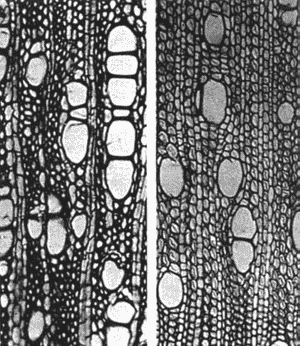
Hemp (Cannabis) (Cannabis)
Also known as: Marijuana, Hemp, Ganja
Hemp plants are versatile crops grown for various commercial purposes. Their fibers are used in making textiles, ropes, and paper. Hemp seeds yield oil that's incorporated into health foods and dietary supplements. Additionally, the plant is utilized in producing biodegradable plastics, construction materials like hempcrete, and personal care items such as skincare products. Each species of hemp can be distinguished by the vein patterns on the leaves' undersides.
In This Article
Attributes of Hemp (Cannabis)
Lifespan
Annual
Plant Height
1.5 to 4 meters
Spread
Varies widely; up to several meters in width depending on cultivation method
Leaf Color
Dark green
Flower Size
Male flowers are small, female flowers can cluster into larger buds
Flower Color
Green with white or yellow pistils
Images of Hemp (Cannabis)
Quickly Identify Hemp (Cannabis)
1
Cannabis plants typically have a distinctive serrated leaf pattern with five to seven leaflets radiating from a central point. The plant has a unique pungent aroma, especially when the flowers are mature.
Scientific Classification of Hemp (Cannabis)
Phylum
Magnoliophyta
Class
Magnoliopsida
Order
Rosales
Family
Cannabaceae
Genus
Cannabis
Planting and Growing of Hemp (Cannabis)
Care Difficulty
Moderate
Watering Schedule
Every 4 days
Sunlight Requirements
Full sun
Sunshine Duration
6-12 hours
Ideal Temperature
70-85℉
Soil Type
Potting Mix, Peat Mix
Soil pH
6-7.5
Fertilizer Type
Balanced
Pruning Season
Spring, Summer
Pruning Area
Branches, Leaves
Pruning Frequency
2 times a year
Repotting Season
Spring
Pot Type
Plastic, Ceramic
 How to Water Hemp (Cannabis)?
Cannabis plants thrive with careful watering. It's crucial to ensure the soil is thoroughly saturated while not becoming waterlogged. Each watering should involve approximately 500 milliliters, ensuring that water reaches the root zone without oversaturating the topsoil.
What are the symptoms of an underwatered Hemp (Cannabis)?
›
What should I do if my Hemp (Cannabis) is not getting enough water?
›
What are the symptoms of an overwatered Hemp (Cannabis)?
›
How to save an overwatered Hemp (Cannabis)?
›
 What Are the Sunlight Requirements for Hemp (Cannabis)?
Cannabis thrives best in conditions of full sun or partial sun, ideally receiving 10 to 12 hours of sunlight daily. This optimal light exposure facilitates robust plant health and maximizes yield and potency.
What is the best location for growing Cannabis outdoors?
›
How can I provide ideal lighting for indoor Cannabis cultivation?
›
What are the benefits of ensuring Cannabis receives its ideal light conditions?
›
 What Is the Ideal Temperature Range for Hemp (Cannabis)?
The ideal temperature range for cultivating Cannabis is between 70°F and 85°F. Within this range, the plant can carry out photosynthesis efficiently, leading to optimal growth and development. This temperature range helps maintain adequate metabolic rates necessary for healthy plant processes.
 What Soil is Best for Hemp (Cannabis)?
Cannabis requires soil that drains well to prevent waterlogging, which can lead to root rot. Well-aerated soil allows roots to breathe, promoting healthier growth and robust plant vigor. It's vital to enhance soil drainage through the inclusion of perlite or sand. A nutrient-rich soil is essential for cannabis, providing the necessary nutrients for rapid growth and high-yield. This includes a balanced mix of nitrogen, phosphorus, and potassium, which can be naturally found in organic matter or through the use of quality fertilizers. A light and fluffy soil texture is ideal for cannabis, as it encourages root expansion and efficient nutrient uptake. The airy nature of such soil supports healthy root systems, leading to improved plant structure and yield.
 How to Fertilize Hemp (Cannabis)?
Cannabis plants thrive on balanced nutrition. During the vegetative stage, they require higher levels of nitrogen, whereas during the flowering stage, they demand more phosphorus and potassium. Use a nutrient mix of total nitrogen 150-200 ppm, phosphorus 50-80 ppm, and potassium 150-200 ppm during the vegetative stage, and slightly reduce the nitrogen while increasing phosphorus to 100-150 ppm in the flowering phase.
 How to Prune Hemp (Cannabis)?
Ensure your Cannabis plant is healthy and robust before starting. Use sterilized pruning shears to cut off the top of the main stem just above a node where two new branches will form. This technique encourages bushier growth and increases harvest yield by redirecting energy to secondary branches. Start by removing the lower third of the plant's growth, especially underdeveloped branches and leaves that receive little light. This focuses the plant's energy on the main colas, improving light penetration and air circulation, which is crucial for preventing mold and maximizing bud quality.
 How to Propagate Hemp (Cannabis) plant?
1
Start with high-quality cannabis seeds. Place them about 1/4 inch deep in a seed tray filled with a seed-starting mix. Keep the soil moist and maintain a temperature of 70-75°F (21-24°C) for optimal germination.
2
Select a healthy parent plant and cut a 4-6 inch segment just below the node. Remove lower leaves and dip the cut end in a rooting hormone to encourage root development.
3
Carefully extract a small piece of plant tissue and sterilize it before placing it into a nutrient-rich agar medium. This method requires sterile conditions and precise control of environmental factors.
 How to Repot Hemp (Cannabis) plant?
1
Cannabis needs repotting when roots are visible through drainage holes or form a dense circling mass at the pot's base, a sure sign it's time to upgrade its quarters for better growth.
2
Opt for a pot that's about 2-4 inches larger in diameter than the current one. This size prevents root-bound stress while avoiding excessive soil, reducing dampness risks.
3
Choose a loamy, well-drained mix with perlite or coco coir. This provides drainage and root aeration, essential for preventing root rot and ensuring robust plant health.
Toxicity
Ingestion, Inhalation
WARNING
The judgment on toxicity and danger is for reference only. We DO NOT GUARANTEE any accuracy of such judgment. Therefore, you SHALL NOT rely on such judgment. It is IMPORTANT TO SEEK PROFESSIONAL ADVICE in advance when necessary.
Learn More About Hemp (Cannabis) Diseases
Anthracnose
Bacterial Leaf Spot
Bacterial Soft Rot
Bacterial Wilt
Chemical Injury
Crown Gall
Cyst Nematode
Damping-off
Downy Mildew
Drought Stress
Fusarium Wilt
Gray Mold
Leaf Curl
Leaf Spot
Mosaic
Nutrient Deficiency
Nutrient Toxicity
Powdery Mildew
Root Rot
Root-knot Nematode
Rusts
Sooty Mold
Spider Mites
Temperature Stress
Thrips Damage
White Mold

