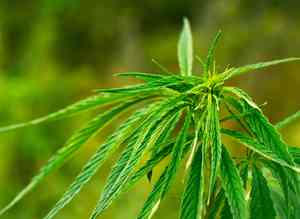
Marijuana (Cannabis sativa)
Also known as: Hemp, Marijuana
Cannabis sativa, commonly known as marijuana, has been cultivated for centuries for a range of applications. Historically, it has been grown for:
1. **Medicinal Applications**: Valued in traditional medicine for its pain-relieving and anti-inflammatory properties.
2. **Recreational Consumption**: Used for its psychoactive effects to alter mood and perception.
3. **Industrial Uses**: Hemp fibers from the plant have been employed in the production of textiles, ropes, and paper.
4. **Nutritional Purposes**: Hemp seeds, rich in protein and essential fatty acids, serve as a nutritious food source.
5. **Spiritual and Religious Practices**: Incorporated into various rituals and religious ceremonies.
Both male and female plants exist, with females being particularly noted for their oil production. These varied uses underscore the plant's significant role in different cultures and industries over time.
Attributes of Marijuana
Images of Marijuana
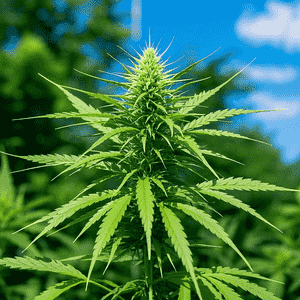
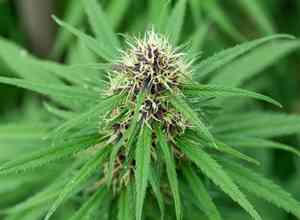
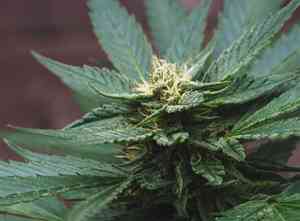
Quickly Identify Marijuana
Scientific Classification of Marijuana
Planting and Growing of Marijuana
 How to Water Marijuana?
 What Are the Sunlight Requirements for Marijuana?
 What Is the Ideal Temperature Range for Marijuana?
 What Soil is Best for Marijuana?
 How to Fertilize Marijuana?
 How to Prune Marijuana?
 How to Propagate Marijuana plant?
 How to Repot Marijuana plant?
Toxicity of Marijuana
Is Marijuana toxic to humans?
The act of smoking or consuming marijuana can induce intoxication, fatigue, diminished cognitive abilities, and hindered performance in complex tasks like driving. Elevated doses may provoke feelings of paranoia, episodes of panic, depressive moods, confusion, nausea, and hallucinations. If children unintentionally ingest this plant or products derived from it, it can result in severe toxicity that necessitates hospitalization and significant medical intervention. Poisoning symptoms in children are likely to manifest as fatigue, impaired balance and coordination, alterations in speech, and an increased heart rate. Accidental ingestion of marijuana products is most prevalent in households where these substances are present.
Is Marijuana toxic to cat?
The THC found in marijuana (Cannabis sativa) poses moderate to severe toxicity risks for cats, regardless of whether it is inhaled or consumed. Signs of intoxication may include glassy eyes, enlarged pupils, unsteadiness while walking, excessive drooling, and vomiting. Although deaths are rare, instances of comas and seizures can occur, necessitating veterinary intervention in serious situations.
Is Marijuana toxic to dog?
If you think your dog has consumed marijuana, it is wise to reach out to your veterinarian; significant ingestion can pose a serious risk to their health. The impact of this plant is heightened and typically more harmful to dogs due to their greater number of cannabinoid receptors. Signs of intoxication include enlarged pupils, excessive drooling, vomiting, and heightened activity levels. Additionally, your dog might appear unsteady and lack coordination, potentially leading to urinary incontinence. In cases of substantial ingestion, tremors, seizures, and even coma may occur.



