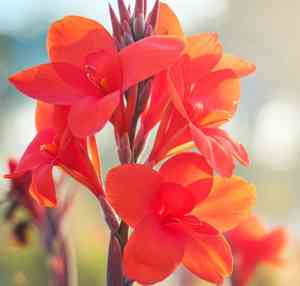
Canna × hybrida (Canna × hybrida)
Also known as: Canna Lily, Indian shot
Canna × hybrida, commonly known as the Canna Lily, is a hybrid species that belongs to the genus Canna. These plants are known for their large, attractive flowers and lush foliage. They are popular in gardens for their vibrant colors, ranging from red, orange, yellow, to pink. Cannas are commonly grown for ornamental purposes and thrive in tropical and subtropical climates.
In This Article
Attributes of Canna × hybrida
Lifespan
Perennial
Plant Height
2.5 to 8 feet
Spread
N/A
Leaf Color
Green to bronze
Flower Size
3-5 inch
Flower Color
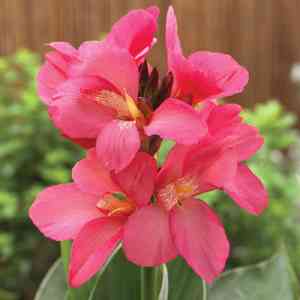
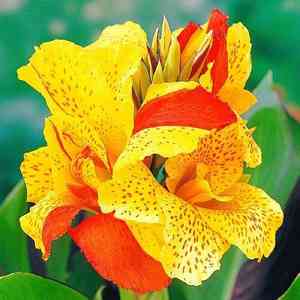
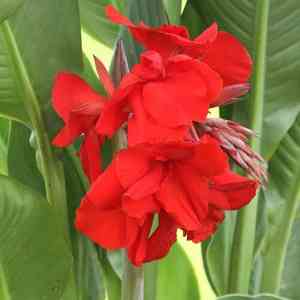
Red, orange, pink or yellow
Images of Canna × hybrida
Quickly Identify Canna × hybrida
1
Canna × hybrida can be identified by its tall stance, broad leaves and colorful blooms which can range from yellow to red.
Scientific Classification of Canna × hybrida
Phylum
Magnoliophyta
Class
Liliopsida
Order
Zingiberales
Family
Cannaceae
Genus
Canna
Species
Canna × hybrida
Planting and Growing of Canna × hybrida
Care Difficulty
Moderate
Watering Schedule
Every 4 days
Sunlight Requirements
Full sun
Sunshine Duration
6-10 hours
Ideal Temperature
68-86℉
Soil Type
Potting Mix, Peat Mix
Soil pH
6.5-7.5
Fertilizer Type
Balanced
Pruning Season
Spring, Summer
Pruning Area
Branches, Leaves
Pruning Frequency
2 times a year
Repotting Season
Spring
Pot Type
Plastic, Terracotta
 How to Water Canna × hybrida?
Canna × hybrida requires consistent moisture for optimal growth, with approximately 500 ml of water per session. Ensure the soil remains damp but not soggy. Watering should mimic gentle rainfall, sufficient to moisten the root zone without causing waterlogging.
What are the symptoms of an underwatered Canna × hybrida?
›
What should I do if my Canna × hybrida is not getting enough water?
›
What are the symptoms of an overwatered Canna × hybrida?
›
How to save an overwatered Canna × hybrida?
›
 What Are the Sunlight Requirements for Canna × hybrida?
Canna × hybrida thrives in full to partial sun, ideally receiving 6-8 hours of sunlight daily. Adequate light promotes healthy growth, vibrant flowers, and helps prevent common plant diseases.
How much sun does Canna × hybrida need?
›
What solutions are available to ensure ideal lighting?
›
What are the benefits of ideal lighting conditions?
›
 What Is the Ideal Temperature Range for Canna × hybrida?
The ideal temperature range for growing Canna × hybrida is between 68°F and 86°F. These temperatures provide the optimal conditions for vigorous growth and flowering, as the plants thrive in warm environments. Maintaining these temperatures can help ensure that the plant develops healthy foliage and blooms effectively.
 What Soil is Best for Canna × hybrida?
Canna × hybrida thrives in soil that is rich in organic matter. This helps retain moisture and provides essential nutrients necessary for vigorous growth and vibrant flowering. The plant requires well-draining soil to prevent waterlogging, which can lead to root rot. A balanced drainage system ensures healthy root development and robust plant health. While Canna × hybrida enjoys moist conditions, it requires soil that retains moderate moisture without becoming waterlogged, creating a conducive environment for continuous growth.
 How to Fertilize Canna × hybrida?
Canna × hybrida, known for its lush foliage and vibrant flowers, thrives with a balanced fertilization approach. Typically, using a balanced 10-10-10 NPK liquid fertilizer, apply about 1/2 teaspoon per gallon of water. For slow-release granular fertilizers, follow the package instructions, typically 1 pound per 100 square feet.
 How to Prune Canna × hybrida?
Begin by sterilizing your pruning shears to prevent the spread of diseases. Inspect the plant for any withered or discolored leaves and cut them back to the base. Remove spent flowers just below the flower head to encourage new blooms. By pruning regularly, you maintain the plant’s aesthetics and prolong its blooming period. To stimulate vigorous growth in Canna × hybrida, thin out overcrowded areas to ensure air circulation and sunlight penetration. This also reduces the risk of fungal diseases. By cutting old canes at ground level, you make room for new shoots which are more likely to flower profusely.
 How to Propagate Canna × hybrida plant?
1
Choose a healthy, well-established Canna plant from which to take divisions. Ensure the plant has abundant rhizomes and no signs of disease or pests to increase the chances of successful propagation.
2
Using a spade, carefully dig around the root zone of the selected plant. Lift the plant, taking care to avoid damaging the rhizomes, as they are the key to successful propagation.
3
Separate the rhizomes using a clean sharp knife or spade. Each division should contain at least one growth point and several roots to ensure the new plant has enough resources to establish itself.
 How to Repot Canna × hybrida plant?
1
Canna × hybrida should be repotted when you notice signs like roots growing through the drainage holes or the soil drying out very quickly after watering. These indicate that the plant has outgrown its current pot.
2
Select a pot that is one to two inches larger in diameter than the current one. This allows room for growth without overwhelming the plant with too much soil, which can retain excess water and lead to root rot.
3
Use a well-draining potting mix with organic matter. A good mix ensures that the plant's roots have space to breathe, promoting healthy growth and preventing issues like waterlogging.

