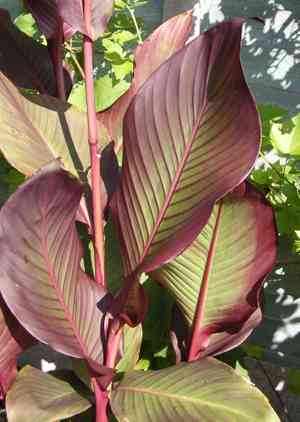
Canna lily (Canna × generalis)
Also known as: Canna Lily, Indian Shot, Arrowroot
The garden canna lily is a perennial plant known for its vibrant, large flowers. Typically found near lakes and roadsides, it serves as a larval host for the Brazilian skipper and attracts various pollinators. The common name "canna lily" is derived from the Greek word "Kanna," meaning "reed-like," referring to its reed-like stems.
In This Article
Attributes of Canna lily
Lifespan
Perennial
Plant Type
Herb
Plant Height
1 m to 1.5 m
Spread
30 cm to 45 cm
Leaf Color
Green Yellow Copper Variegated Brown
Flower Size
8 cm to 15 cm
Flower Color
Red Orange White Yellow Pink
Images of Canna lily
Quickly Identify Canna lily
1
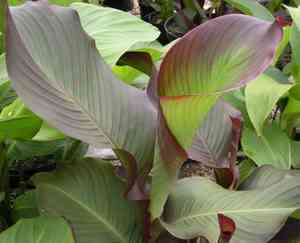
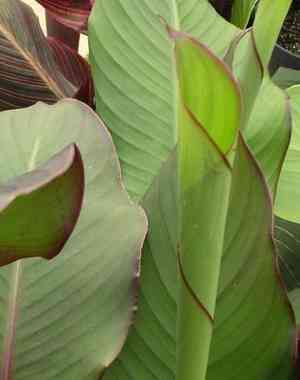
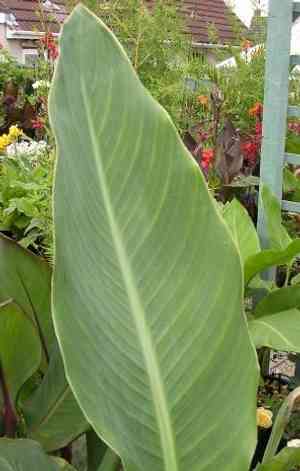
To identify Canna × generalis, look for its broad, lush, green to purple leaves and vibrant flowers that typically bloom in warm climates. The flowers come in shades of red, orange, yellow, or pink. This plant usually grows from rhizomes, making it easy to spot in clusters.
Scientific Classification of Canna lily
Phylum
Vascular plants
Class
Monocotyledons
Order
Gingers, bananas, and allies
Family
Canna
Genus
Canna lilies
Species
Canna lily
Planting and Growing of Canna lily
Care Difficulty
Easy
Watering Schedule
Every 4 days
Sunlight Requirements
Full sun
Sunshine Duration
6-10 hours
Ideal Temperature
68-86℉
Soil Type
Potting Mix, Peat Mix
Soil pH
6.5-7.5
Fertilizer Type
Balanced
Pruning Season
Spring, Summer
Pruning Area
Branches, Leaves
Pruning Frequency
2 times a year
Repotting Season
Spring
Pot Type
Plastic, Ceramic
 How to Water Canna lily?
Canna × generalis requires a liberal amount of water, roughly 1000 ml per watering session. The rule of thumb is to maintain the soil consistently moist but not waterlogged. This ensures that the plant receives ample moisture without drowning its roots. Water until you see a slight runoff from the bottom of the pot, indicating that the entire root zone is hydrated.
More About Watering Techniques→
What are the symptoms of an underwatered Canna lily?
›
What should I do if my Canna lily is not getting enough water?
›
What are the symptoms of an overwatered Canna lily?
›
How to save an overwatered Canna lily?
›
 What Are the Sunlight Requirements for Canna lily?
Canna × generalis flourishes under full sun, adapting well in sunny gardens. This condition promotes lush growth and vivid flowering, enhancing your garden's visual appeal.
More About Sunlight Requirements Techniques→
How much light is ideal for Canna × generalis?
›
What are the benefits of ideal lighting for Canna × generalis?
›
How can you ensure Canna × generalis gets ideal lighting?
›
 What Is the Ideal Temperature Range for Canna lily?
The ideal temperature range for Canna × generalis lies between 68°F and 86°F. These temperatures mimic the subtropical and tropical climates where the plant naturally thrives. Maintaining this temperature range helps ensure optimal growth and blooming.
 What Soil is Best for Canna lily?
Canna × generalis thrives in soil that drains well, preventing water from stagnating around the roots. Proper drainage is essential because it helps to avert root rot, a common issue in overly moist soils. The plant’s roots receive the right amount of oxygen when water drains efficiently, leading to healthier growth and more vibrant blooms. Cannas prefer a soil rich in organic matter which provides essential nutrients. Incorporating compost or well-rotted manure can enhance soil fertility, ensuring a steady supply of nutrients for robust growth. Nutrient-rich soil supports the vigorous foliage and large flowers characteristic of cannas. While well-draining, the soil should also retain enough moisture to keep the roots moist. Sandy loam with organic matter is ideal as it balances drainage and moisture retention. Consistent moisture supports the lush growth, preventing leaf wilting and promoting continuous blooming throughout the growing season.
More About Soil→
 How to Fertilize Canna lily?
Canna × generalis benefits from balanced feeding. When using liquid fertilizers, apply at a rate of one tablespoon per gallon of water, ensuring even distribution across the planting area. For slow-release granules, use about a quarter cup for each plant, worked into the top few inches of soil. Adjust based on plant size and growth conditions.
More About Fertilizing Techniques→
 How to Prune Canna lily?
Begin by identifying dead, brown, or damaged leaves. Cut these leaves off at the base where they meet the stalk. This keeps the plant tidy and prevents decay. After flowering, trim the stalks down to a couple of inches above the ground. This encourages new blooms and helps prevent the plant from becoming leggy. Throughout the growing season, consistently remove spent flowers to encourage more blooms. Also, check for and remove any signs of pest infestation.
More About Pruning Techniques→
 How to Propagate Canna lily plant?
1
Gather seeds from mature canna pods once they have dried and turned brown. Clean and dry the seeds thoroughly before planting to reduce the risk of fungal infections. Soaking seeds in warm water for 24 hours can improve germination rates.
2
In early spring, dig around the canna clump using a garden shovel to expose the rhizomes. Gently separate the rhizomes with at least one growing point, and remove any damaged or diseased parts. Plant the divisions immediately to encourage root establishment.
3
Prepare a site with rich, well-drained soil, and full sun exposure. Plant seeds or rhizomes about 5 cm deep, spacing them adequately to allow for growth. Water the soil thoroughly after planting to settle the seeds or rhizomes.
 How to Repot Canna lily plant?
1
Re-potting Canna × generalis should be done when you see roots protruding from the drainage holes, or when the plant's growth seems stunted. Observe for signs of the plant outgrowing its pot, such as a dense tangle of roots.
2
Choose a pot that is 2-3 inches wider in diameter than the current one. This gives the roots ample room to spread, promoting robust growth. Ensure the pot has drainage holes to prevent water accumulation.
3
Opt for a rich, well-draining mix that includes organic matter such as compost. This provides essential nutrients and ensures adequate water retention without waterlogging the roots.
Learn More About Canna lily Diseases
Anthracnose
Bacterial Leaf Spot
Bacterial Soft Rot
Bacterial Wilt
Chemical Injury
Crown Gall
Cyst Nematode
Damping-off
Drought Stress
Fusarium Wilt
Gray Mold
Leaf Spot
Mosaic
Nutrient Deficiency
Nutrient Toxicity
Powdery Mildew
Root Rot
Root-knot Nematode
Rusts
Sooty Mold
Spider Mites
Temperature Stress
Thrips Damage
White Mold



