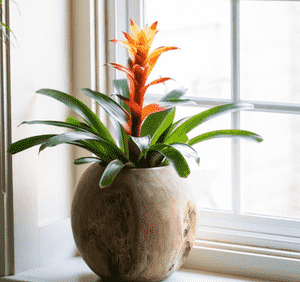
Canistropsis billbergioides (Canistropsis billbergioides)
Also known as:
Canistropsis billbergioides, a type of blossom-bearing plant, belongs to the Canistropsis genus. It is a species exclusively found in Brazil, whereby two variations could be identified.
In This Article
Attributes of Canistropsis billbergioides
Plant Height
20-30 cm
Spread
Leaf Color
Green
Flower Size
5-6 cm
Flower Color
Orange-Red
Images of Canistropsis billbergioides
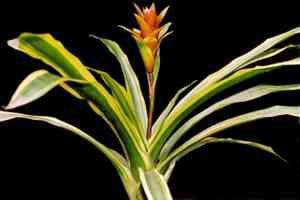
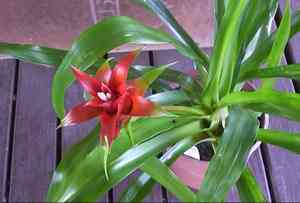
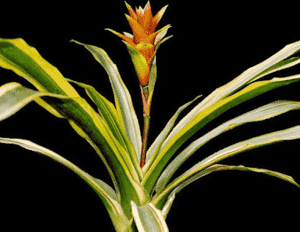
Quickly Identify Canistropsis billbergioides
1
Canistropsis billbergioides can be identified by its bright, colorful bracts and rosette-forming habit. The leaves are usually thin, long, and strap-like, with serrated edges. The inflorescences are composed of vibrant yellow or orange flowers surrounded by colorful bracts, typically appearing in spring or summer.
Scientific Classification of Canistropsis billbergioides
Phylum
Tracheophyta
Class
Liliopsida
Order
Poales
Family
Bromeliaceae
Genus
Canistropsis
Species
C. billbergioides
Planting and Growing of Canistropsis billbergioides
Care Difficulty
Moderate
Watering Schedule
Every 4 days
Sunlight Requirements
Partial sun
Sunshine Duration
6-10 hours
Ideal Temperature
65-78℉
Soil Type
Potting Mix, Peat Mix
Soil pH
6-7.5
Fertilizer Type
Balanced
Pruning Season
Spring, Summer
Pruning Area
Branches, Leaves
Pruning Frequency
2 times a year
Repotting Season
Spring
Pot Type
Ceramic, Plastic
 How to Water Canistropsis billbergioides?
For Canistropsis billbergioides, it's crucial to ensure the soil is moist but not waterlogged. Aim for around 250 ml at a time, enough to moisten the soil evenly without letting water pool at the base, mimicking its native humid climates.
What are the symptoms of an underwatered Canistropsis billbergioides?
›
What should I do if my Canistropsis billbergioides is not getting enough water?
›
What are the symptoms of an overwatered Canistropsis billbergioides?
›
How to save an overwatered Canistropsis billbergioides?
›
 What Are the Sunlight Requirements for Canistropsis billbergioides?
Partial sun exposure ranging from 4 to 6 hours ensures Canistropsis billbergioides maintains healthy growth. This level of light is essential for the plant's balanced foliage color, robust structure, and the ability to support flower production.
What is the ideal lighting for Canistropsis billbergioides?
›
How to achieve the ideal lighting conditions indoors?
›
What benefits does Canistropsis billbergioides obtain from ideal lighting?
›
 What Is the Ideal Temperature Range for Canistropsis billbergioides?
Canistropsis billbergioides thrives best in environments where the temperature remains steadily between 65 and 78 degrees Fahrenheit. This range is ideal for supporting its metabolic activities, photosynthesis, and overall health, providing conditions that closely mimic its natural tropical habitat.
 What Soil is Best for Canistropsis billbergioides?
Canistropsis billbergioides thrives in well-drained soil to prevent root rot, ensuring the plant's roots receive adequate oxygen and nutrients. This is crucial for its health and vibrant growth. The plant prefers soil with moderate fertility, which supports its growth without overwhelming it with excessive nutrients. This balance fosters strong roots and lush foliage. A soil with an aerated texture allows air circulation to the roots, which is vital for the plant’s metabolism and overall growth. This ensures the plant remains healthy and vibrant.
 How to Fertilize Canistropsis billbergioides?
Canistropsis billbergioides does well with a balanced, water-soluble fertilizer applied at half strength. Typically, use about 1/4 teaspoon (around 1 gram) per gallon (approximately 3.8 liters) of water. This amount ensures the plant receives enough nutrients without risking fertilizer burn.
 How to Prune Canistropsis billbergioides?
Begin by examining your Canistropsis billbergioides closely. Look for any signs of wilting, discolored, or damaged leaves which need to be trimmed away to enhance the plant's appearance and health. When pruning, ensure you make cuts close to the base of the leaves or stems you are removing. Doing so helps preserve the plant's natural shape and encourages new growth from the base. After pruning, make sure to dispose of the pruned material appropriately. This reduces the risk of pest infestations or diseases spreading back to your plant from the discarded parts.
 How to Propagate Canistropsis billbergioides plant?
1
Ensure that the Canistropsis billbergioides is healthy before starting propagation. Check for diseases or pests, and water the plant adequately a day before division.
2
Gently remove the plant from its pot and identify natural offsets. Use a sharp knife to separate them from the mother plant, ensuring each has roots.
3
If using seeds, plant them in seed starter trays filled with a suitable potting mix. Keep them moist but not waterlogged, and maintain a warm environment.
 How to Repot Canistropsis billbergioides plant?
1
Canistropsis billbergioides should be repotted when you notice its roots filling the current pot, the pot becomes top-heavy, or when water drainage is sluggish, indicating compacted soil. Ideally, repotting in spring or summer allows plants to adjust and grow optimally during their active season.
2
Choose a pot slightly larger than the current one to give space for root expansion. Use a pot with ample drainage holes to prevent water logging. This decreases the risk of root rot by allowing excess water to escape, keeping the roots healthy.
3
A well-draining soil mix designed for bromeliads is crucial for repotting Canistropsis billbergioides. This type of soil retains moisture needed by the plant while simultaneously allowing water to drain. It mimics the plant's natural epiphytic conditions by preventing root rot.

