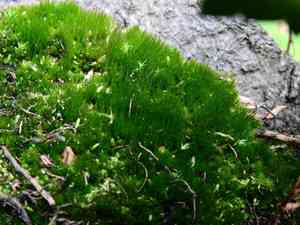
Heath star moss (Campylopus introflexus)
Also known as: Heath star moss
Heath star moss (Campylopus introflexus) is a type of moss that proliferated due to the movement of tanks during World War II. This moss alters soil ecology by increasing humus content. It thrives on acidic, nutrient-poor soils and can spread across dry to humid open areas.
In This Article
Attributes of Heath star moss
Lifespan
Perennial
Plant Type
Moss
Plant Height
Up to 10 cm
Spread
Varies; forms dense carpets
Leaf Color
Green to yellow-green, sometimes turning brownish
Flower Size
N/A (mosses do not have flowers)
Flower Color
N/A (mosses do not have flowers)
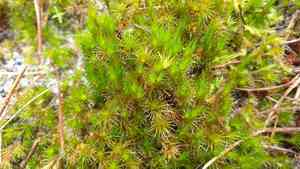
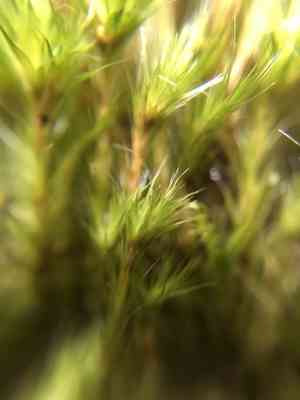
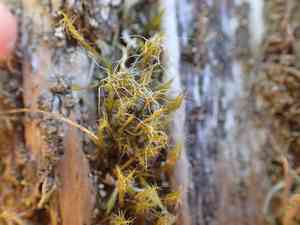
Images of Heath star moss
Quickly Identify Heath star moss
1
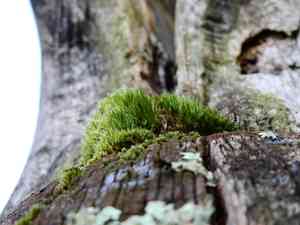
Campylopus introflexus can be identified by its curved and overlapping leaves, which are characteristically reflexed at the tips. The reddish stem and dense, tufted growth habit are also distinctive. Its spore capsules are cylindrical with a long seta.
Scientific Classification of Heath star moss
Phylum
Mosses
Class
True mosses
Order
Dicranales
Family
Dicranaceae
Genus
Campylopus moss
Species
Heath star moss
Planting and Growing of Heath star moss
Care Difficulty
Easy
Watering Schedule
Every 2 days
Sunlight Requirements
Partial sun
Sunshine Duration
6-10 hours
Ideal Temperature
50-68℉
Soil Type
Potting Mix, Peat Mix
Soil pH
4-6.5
Fertilizer Type
Balanced
Pruning Season
Spring, Summer
Pruning Area
Branches, Leaves
Pruning Frequency
2 times a year
Repotting Season
Spring
Pot Type
Plastic, Ceramic
 How to Water Heath star moss?
For Campylopus introflexus, watering should be sufficient to moisten the substrate but not so much that it becomes waterlogged. Aim to water with about 150 ml, allowing it to soak into the growing medium and ensuring even distribution. This quantity typically allows moisture to reach the roots without lingering excessively, which can promote rot.
What are the symptoms of an underwatered Heath star moss?
›
What should I do if my Heath star moss is not getting enough water?
›
What are the symptoms of an overwatered Heath star moss?
›
How to save an overwatered Heath star moss?
›
 What Are the Sunlight Requirements for Heath star moss?
Campylopus introflexus benefits from partial sun to full shade environments. Optimal light ensures healthy growth and reduces disease susceptibility by allowing efficient energy utilization and pigment retention.
What type of lighting does Campylopus introflexus prefer?
›
How can I achieve ideal lighting conditions?
›
What benefits does ideal light bring?
›
 What Is the Ideal Temperature Range for Heath star moss?
For optimal growth, Campylopus introflexus thrives in a temperature range between 50°F and 68°F. This range simulates the natural conditions where the plant is commonly found, ensuring robust growth and vitality. Maintaining these conditions often requires monitoring temperature closely, particularly in artificial settings such as greenhouses or indoor cultivation.
 What Soil is Best for Heath star moss?
Campylopus introflexus thrives in environments where the soil retains adequate moisture. This ensures optimal hydration and mimics its natural habitat, providing the plant with the necessary moisture to support its photosynthesis and growth cycles. The plant benefits from nutrient-rich soil, which is essential for sustaining its growth and maintaining its vibrant green color. Adequate nutrients in the soil enhance photosynthetic efficiency and nutrient uptake, making it an important factor for plant vitality. Good drainage prevents waterlogging, which can lead to root rot. Ensuring the soil drains well protects the plant’s root system and provides a stable foundation for growth and nutrient acquisition.
 How to Fertilize Heath star moss?
Campylopus introflexus, a unique moss species, thrives in nutrient-poor environments, hence it requires only a minimal amount of fertilizer. For liquid fertilizers, use a half-strength solution to avoid overloading this delicate moss. When using slow-release fertilizers, just a small pinch per application is sufficient, gently mixing it into the substrate to ensure an even distribution.
 How to Prune Heath star moss?
Start by locating any brown, dead, or weak sections of the moss. These are the areas you should focus on during pruning to promote healthier growth. Carefully trim around the edges to give the moss a neat shape. Be gentle and cautious to avoid cutting too deeply into the dense mats, which can affect its growth.
 How to Propagate Heath star moss plant?
1
Select a healthy parent Campylopus introflexus plant and water it thoroughly a few hours before propagation. This ensures that the plant is well-hydrated, making it easier to separate and reducing stress during the division process.
2
Carefully dig around the plant's base to expose the root system. Gently lift the plant from the soil and use a sharp knife or scissors to divide the root structure into separate sections, each containing sufficient roots and foliage.
3
Replant each divided section into a prepared soil bed, ensuring that the roots are fully covered with soil. Water thoroughly to settle the soil around the roots, and position the plants in appropriate lighting conditions for optimal growth.
 How to Repot Heath star moss plant?
1
Campylopus introflexus requires repotting when you notice signs like roots emerging from drainage holes or soil drying out too quickly. These indicators suggest the plant has outgrown its current pot, and providing a more spacious environment is essential for its continued health.
2
Select a pot that is slightly larger than the current one, ideally 1-2 inches in diameter larger. Ensure it has adequate drainage holes. A proper pot size provides enough room for growth and prevents waterlogging, safeguarding the moss from root rot.
3
Opt for acidic, well-draining soil to mimic the plant’s natural habitat. This choice ensures proper moisture balance and prevents root suffocation, promoting healthy growth and a vibrant appearance for your Campylopus introflexus.

