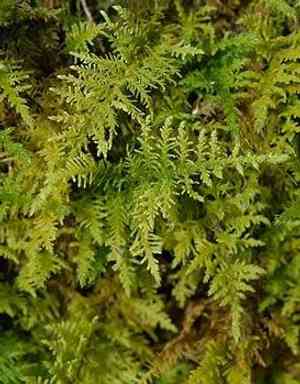
Goldenleaf campylium moss (Campylium chrysophyllum)
Also known as: Golden feathermoss, Campylium moss
Goldenleaf campylium moss flourishes in moist, shaded areas, displaying a golden-green color and a feathery look. It commonly covers the forest floor or tree bases, creating dense carpets or delicate tufts. This moss is recognized by its fine, branching stems and wide, slightly curved leaves, resembling tiny woodland ferns. Its presence often signals a rich, damp habitat that supports diverse moss species.
In This Article
Attributes of Goldenleaf campylium moss
Lifespan
Perennial
Plant Type
Moss
Plant Height
2-5 cm
Spread
N/A
Leaf Color
Yellow-green
Flower Size
N/A
Flower Color
N/A
Images of Goldenleaf campylium moss
Quickly Identify Goldenleaf campylium moss
1
To identify Campylium chrysophyllum, look for its yellow-green, feathery strands that form dense mats. The leaves are curved and somewhat wavy, and it usually grows in moist, shaded areas.
Scientific Classification of Goldenleaf campylium moss
Phylum
Mosses
Class
True mosses
Order
Hypnales
Family
Amblystegiaceae
Genus
Campylium moss
Species
Goldenleaf campylium moss
Planting and Growing of Goldenleaf campylium moss
Care Difficulty
Easy
Watering Schedule
Every 2 days
Sunlight Requirements
Partial sun
Sunshine Duration
6-10 hours
Ideal Temperature
60-75℉
Soil Type
Potting Mix, Peat Mix
Soil pH
6-7.5
Fertilizer Type
Balanced
Pruning Season
Spring, Summer
Pruning Area
Branches, Leaves
Pruning Frequency
2 times a year
Repotting Season
Spring
Pot Type
Plastic, Ceramic
 How to Water Goldenleaf campylium moss?
The watering amount for Campylium chrysophyllum should be approximately 200 ml per session. The key principle is to ensure the soil is moist but not soggy. Watering should aim to reach the roots, making sure the water penetrates the soil. It's wise to stop when water begins to drain from the pot, indicating saturation.
What are the symptoms of an underwatered Goldenleaf campylium moss?
›
What should I do if my Goldenleaf campylium moss is not getting enough water?
›
What are the symptoms of an overwatered Goldenleaf campylium moss?
›
How to save an overwatered Goldenleaf campylium moss?
›
 What Are the Sunlight Requirements for Goldenleaf campylium moss?
Partial sunlight ensures that Campylium chrysophyllum receives a balanced light exposure for photosynthesis, promoting healthy growth and vibrant foliage while preventing light-induced stress.
What type of sunlight is ideal for Campylium chrysophyllum?
›
How can you achieve the ideal lighting conditions?
›
What are the benefits of providing ideal lighting for Campylium chrysophyllum?
›
 What Is the Ideal Temperature Range for Goldenleaf campylium moss?
The ideal temperature range for Campylium chrysophyllum is between 60°F and 75°F. Within this range, the plant can effectively carry out photosynthesis, thrive, and exhibit optimal growth. When temperatures remain stable within this zone, it encourages robust root and leaf development, making the plant more resistant to diseases and environmental stresses.
 What Soil is Best for Goldenleaf campylium moss?
For optimal growth, Campylium chrysophyllum thrives in soils that retain moisture well without becoming waterlogged. The availability of water helps the plant maintain its lush green appearance and supports photosynthesis, which is crucial for its energy production. This plant benefits from soils rich in organic matter, which provide essential nutrients necessary for its growth. Nutrient-rich soils can lead to more vigorous growth, increased resilience to pests and diseases, and better overall plant health. Although Campylium chrysophyllum enjoys moisture, well-drained soils are important to prevent root rot. Soils that balance water retention with adequate drainage help in maintaining a healthy root system, which is critical for nutrient uptake.
 How to Fertilize Goldenleaf campylium moss?
For Campylium chrysophyllum, it's important to provide a balanced nutrient supply without overwhelming the plant. Ideally, use a quarter-strength liquid fertilizer, approximately 1/4 of the recommended dose for general houseplants, which allows the plant to access nutrients without the risk of nutrient burn.
 How to Prune Goldenleaf campylium moss?
Examine your plant thoroughly to locate any dead or discolored stems and leaves. These should be the first to go, as they draw unnecessary resources and could harbor pests or diseases. Decide on the shape you desire for your plant. Using sharp shears, trim back overgrown parts while keeping in mind the natural growth pattern, providing for movement and space between branches for aesthetics and health. Prune just above the leaf nodes of healthy branches to stimulate new growth. This technique can lead to a bushier and more dense appearance, enhancing the overall look of your Campylium chrysophyllum.
 How to Propagate Goldenleaf campylium moss plant?
1
Water the plant a day before division to ensure it's well-hydrated. Trim away any dead leaves to make the division process easier and focus energy on the new divisions.
2
Use the sharp knife to carefully cut through the root ball, ensuring each new section has a portion of the roots for successful growth. Handle gently to avoid damage.
3
Replant each divided section into its own pot with fresh potting soil. Ensure the roots are properly covered and water the plants immediately to assist with settlement.
 How to Repot Goldenleaf campylium moss plant?
1
Campylium chrysophyllum should be repotted when the roots start circling the pot, indicating limited space. Also, a decline in plant health, such as yellowing leaves, or reduced growth can signal a need for repotting. Best to do this task in Spring or Summer when the plant is naturally in a growth phase.
2
Select a pot that is 1-2 inches larger in diameter than the current one. Ensure it has adequate drainage holes. The added space promotes healthy root expansion, preventing root-bound stress, and the drainage holes prevent waterlogging, which could lead to root rot.
3
Choose well-draining soil with a mixture of peat, compost, and sand. This combination aids in moisture retention while ensuring the water excess can flow out, avoiding the common pitfall of root rot. Good aeration promotes healthy microbiota and plant roots development.

