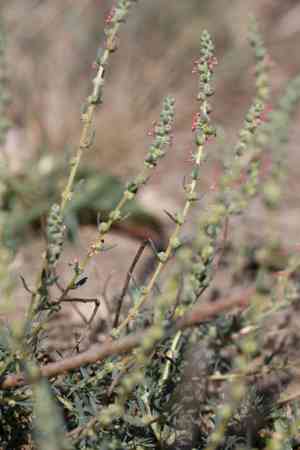
Camphorosma (Camphorosma) (Camphorosma)
Also known as: None known
Camphorosma is a genus of flowering plants in the family Amaranthaceae. These are stiff, woody plants often found in arid environments, and they play a role in stabilizing soil and supporting certain wildlife species.
In This Article
Attributes of Camphorosma (Camphorosma)
Lifespan
Perennial
Plant Height
10-50 cm
Spread
10-50 cm
Leaf Color
Green
Flower Size
0.2-0.5 cm
Flower Color
Greenish
Images of Camphorosma (Camphorosma)
Quickly Identify Camphorosma (Camphorosma)
1
Camphorosma can be identified by its stiff, woody stems and small, scale-like leaves. The plants often form dense mats or small shrubs and are commonly found in saline or arid conditions.
Scientific Classification of Camphorosma (Camphorosma)
Phylum
Tracheophyta
Class
Magnoliopsida
Order
Caryophyllales
Family
Amaranthaceae
Genus
Camphorosma
Planting and Growing of Camphorosma (Camphorosma)
Care Difficulty
Moderate
Watering Schedule
Every day
Sunlight Requirements
Full sun
Sunshine Duration
6-10 hours
Ideal Temperature
60-75℉
Soil Type
Potting Mix, Peat Mix
Soil pH
6.5-7.5
Fertilizer Type
Balanced
Pruning Season
Spring, Summer
Pruning Area
Branches, Leaves
Pruning Frequency
2 times a year
Repotting Season
Spring
Pot Type
Plastic, Ceramic
 How to Water Camphorosma (Camphorosma)?
Camphorosma plants thrive on minimal water, so the guiding principle is to only supply about 200 ml each time. The root zone should be moistened but not saturated. Ensure the soil remains well-drained, mimicking their native arid habitat.
What are the symptoms of an underwatered Camphorosma (Camphorosma)?
›
What should I do if my Camphorosma (Camphorosma) is not getting enough water?
›
What are the symptoms of an overwatered Camphorosma (Camphorosma)?
›
How to save an overwatered Camphorosma (Camphorosma)?
›
 What Are the Sunlight Requirements for Camphorosma (Camphorosma)?
Camphorosma prefers full sun for optimal health. This exposure promotes robust growth, vibrant color, and resilience against diseases and pests, ensuring maximum ecological and ornamental benefits.
What is the perfect light condition?
›
How to achieve ideal lighting for Camphorosma?
›
What are the benefits of ideal lighting for Camphorosma?
›
 What Is the Ideal Temperature Range for Camphorosma (Camphorosma)?
Camphorosma thrives best in temperatures ranging from 60°F to 75°F. This range allows for optimal growth and metabolic processes. Lower or higher temperatures might stress the plant, leading to suboptimal growth and development.
 What Soil is Best for Camphorosma (Camphorosma)?
Camphorosma thrives in well-drained soils, as it is susceptible to root rot in waterlogged conditions. Ensuring proper drainage helps maintain healthy roots and supports overall plant vitality. Camphorosma benefits from loamy soils enriched with organic matter, providing it with essential nutrients. This soil type supports robust growth and enhances the plant's natural defenses against pests and diseases. The plant's preferred soils are those that can accommodate full sun exposure, empowering Camphorosma to photosynthesize efficiently. This contributes to healthier foliage and more vibrant growth.
 How to Fertilize Camphorosma (Camphorosma)?
Camphorosma plants typically require a balanced and moderate amount of fertilizer. Each session should involve applying a 10-10-10 NPK fertilizer at a rate of 0.5 pounds per 100 square feet. Careful measurement ensures the plant gets the nutrients it needs without risking over-fertilization.
 How to Prune Camphorosma (Camphorosma)?
Begin with a thorough inspection of the Camphorosma plant. Look for dead, damaged, or crossed branches that could hinder healthy growth. Identifying areas needing attention can streamline the pruning process. Utilizing sharp pruning shears, carefully trim away any unwanted branches or stems. Focus on dead wood or parts that detract from the plant's natural shape. Cut at a downward angle just above a leaf bud or branch node. To maintain the desired shape, trim back about one-third of the older growth. This technique encourages new, robust growth while keeping the plant tidy and aesthetically pleasing. Immediately dispose of or compost the cuttings to prevent any potential disease from affecting the healthy portions of your plant. This also tidies the plant's environment and enhances its appearance.
 How to Propagate Camphorosma (Camphorosma) plant?
1
Gather seeds from mature Camphorosma plants during late spring when seeds are fully developed. Ensure seeds are dry and free from pests before storage or sowing.
2
Select healthy stems from mature plants, cutting just below a node. Trim leaves to reduce moisture loss and place cuttings in water or potting mix to encourage root growth.
3
Identify mature Camphorosma plants with clear root division possibilities. Gently separate root clumps and replant them in prepared soil, ensuring each division has roots attached.
 How to Repot Camphorosma (Camphorosma) plant?
1
Camphorosma plants show they need repotting when they become root-bound, which means the roots start to spiral at the pot's bottom. Additionally, if you notice stunted growth or water sits on the soil surface too long, it’s time to consider repotting.
2
Selecting the right pot is crucial. Choose one that is 1-2 inches larger in diameter than the current pot. This allows space for root growth without overwhelming the plant, helping to balance moisture retention and drainage, which is essential for Camphorosma.
3
Pick a well-draining sandy soil mix. This type of soil mimics the plant's natural environment, prevents waterlogging, and provides good aeration, which helps keep the roots healthy and reduces the risk of root rot.
Learn More About Camphorosma (Camphorosma) Diseases
Anthracnose
Bacterial Leaf Spot
Bacterial Wilt
Chemical Injury
Crown Gall
Cyst Nematode
Damping-off
Downy Mildew
Drought Stress
Fusarium Wilt
Gray Mold
Leaf Curl
Leaf Spot
Mosaic
Nutrient Deficiency
Nutrient Toxicity
Powdery Mildew
Root Rot
Root-knot Nematode
Rusts
Sooty Mold
Spider Mites
Temperature Stress
Thrips Damage
White Mold

