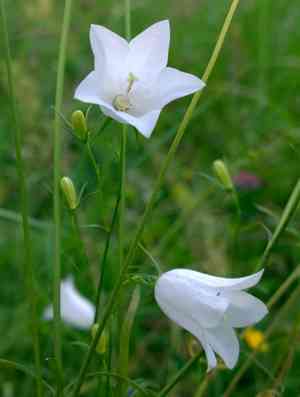
Bluebell bellflower (Campanula rotundifolia)
Also known as: Harebell, Blawort, Heathbells, Lady's thimble, Witch's thimbles, Fairies' thimbles
The Bluebell bellflower, scientifically known as Campanula rotundifolia, is commonly referred to as the Harebell. This charming purple flower is steeped in folklore, where it was often linked to witches who transformed into hares. Crossing paths with these enchanted hares was believed to bring misfortune.
In This Article
Attributes of Bluebell bellflower
Lifespan
Perennial
Plant Type
Herb
Plant Height
10 cm to 51 cm
Spread
50 cm
Leaf Color
Green
Flower Size
2.5 cm
Flower Color
Blue White Purple
Images of Bluebell bellflower
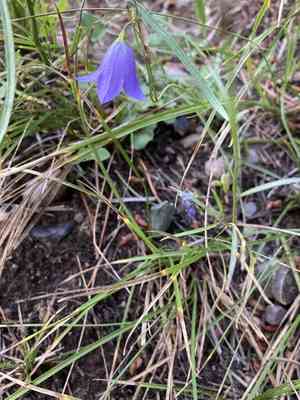
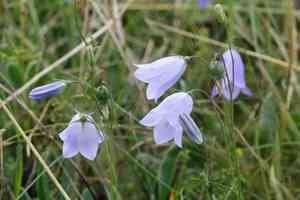
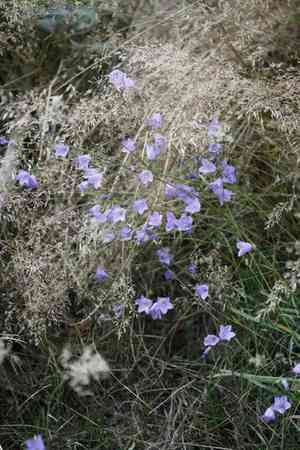
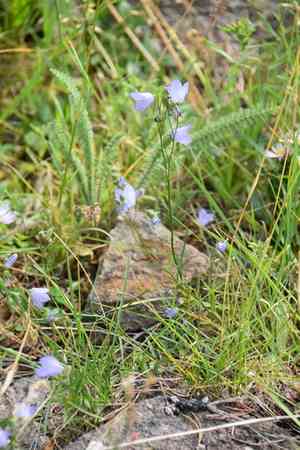
Quickly Identify Bluebell bellflower
1
Look for slender, wiry stems and small, bell-shaped blue to violet flowers that hang downward. The basal leaves are round to heart-shaped, while stem leaves are linear and sparse.
Scientific Classification of Bluebell bellflower
Phylum
Vascular plants
Class
Dicotyledons
Order
Asterales
Family
Bellflower
Genus
Bellflowers
Species
Bluebell bellflower
Planting and Growing of Bluebell bellflower
Care Difficulty
Easy
Watering Schedule
Every 4 days
Sunlight Requirements
Partial sun
Sunshine Duration
6-8 hours
Ideal Temperature
60-75℉
Soil Type
Potting Mix, Peat Mix
Soil pH
5.5-7.5
Fertilizer Type
Balanced
Pruning Season
Spring, Summer
Pruning Area
Branches, Leaves
Pruning Frequency
2 times a year
Repotting Season
Spring
Pot Type
Plastic, Ceramic
 How to Water Bluebell bellflower?
When it comes to watering Campanula rotundifolia, aim for about 250 ml each time. Ensure the soil is moist but not soggy, allowing the water to reach the root zone but with good drainage. Monitor the top inch of the soil; water when it feels dry to the touch without allowing it to completely dry out.
What are the symptoms of an underwatered Bluebell bellflower?
›
What should I do if my Bluebell bellflower is not getting enough water?
›
What are the symptoms of an overwatered Bluebell bellflower?
›
How to save an overwatered Bluebell bellflower?
›
 What Are the Sunlight Requirements for Bluebell bellflower?
Partial sun allows Campanula rotundifolia to grow healthy and vibrant. Ideal light ensures stable flowering and overall vitality, enforcing its striking blooms.
More About Sunlight Requirements Techniques→
What is the best location for Campanula rotundifolia?
›
How do I ensure Campanula rotundifolia receives enough sunlight?
›
What benefits does ideal lighting provide to the plant?
›
 What Is the Ideal Temperature Range for Bluebell bellflower?
What is the ideal temperature range for Campanula rotundifolia? Ideally, the temperature for growing Campanula rotundifolia should range between 60°F and 75°F. This provides the optimal conditions for its growth and flower production. Maintaining temperatures within this range ensures healthy development and longevity of the plant.
 What Soil is Best for Bluebell bellflower?
Campanula rotundifolia thrives in well-draining soil which prevents waterlogging. This is essential for the plant's root health, enabling proper oxygen transfer and minimizing the risk of root rot. A soil rich in organic matter supports the healthy growth of Campanula rotundifolia. It provides essential nutrients that aid in the plant's vigorous blooming and robust foliage. This plant requires soil that maintains a moderate level of moisture, avoiding extremes of dryness or saturation. It ensures consistent hydration, which is key for sustained plant vitality and resilience.
More About Soil→
 How to Fertilize Bluebell bellflower?
For Campanula rotundifolia, a balanced 10-10-10 NPK liquid fertilizer should be diluted to half strength. Use about 1 tablespoon per gallon of water per feeding. This ensures the nutrients are available without overwhelming the plant.
More About Fertilizing Techniques→
 How to Prune Bluebell bellflower?
Be careful not to remove more than one-third of the plant at once. Over pruning can shock the plant, potentially reducing its vigor and blooming capacity for the season. While pruning is beneficial, avoid heavy pruning late in the season. This can encourage tender new growth that may not survive the winter freeze in colder climates. After pruning, clean and disinfect your tools with alcohol or a bleach solution. This is crucial in preventing the spread of fungal infections or pests to other plants.
More About Pruning Techniques→
 How to Propagate Bluebell bellflower plant?
1
Collect seeds from the mature flowers and allow them to dry. Fill seed trays with a well-draining soil mix. Sow the seeds on the surface and lightly cover them with soil. Water gently and maintain the moist environment until germination occurs.
2
Cut 4-6 inch healthy stems from the mature plant, just below a node. Remove the lower leaves and dip the cut end in rooting hormone. Place the cutting in a pot filled with a mix of perlite and peat moss, and keep it in a warm, humid environment.
3
Dig up the mature plant carefully and shake off excess soil. Use a sharp tool to divide the plant into smaller sections, ensuring each section has roots attached. Replant immediately at the same depth to allow recovery and new growth.
 How to Repot Bluebell bellflower plant?
1
It's crucial to repot Campanula rotundifolia when you notice roots growing through the drainage holes or if the plant looks crowded in its current pot. These signals indicate that the plant has outgrown its container and needs more room to thrive, typically every 2 to 3 years.
2
Select a pot that is one size larger than the current one to allow for growth, ensuring it has drainage holes to prevent waterlogging. An appropriately sized, well-draining pot encourages healthy root growth and helps avoid conditions that promote root rot, fostering overall plant vitality.
3
Opt for a well-draining potting mix, such as one that contains peat, perlite, or sand. This blend maintains soil aeration and prevents water retention that can lead to root rot. The right soil supports a healthy and resilient plant, promoting optimal growth conditions.
Learn More About Bluebell bellflower Diseases
Anthracnose
Bacterial Leaf Spot
Bacterial Soft Rot
Bacterial Wilt
Chemical Injury
Crown Gall
Cyst Nematode
Damping-off
Downy Mildew
Drought Stress
Fusarium Wilt
Gray Mold
Leaf Curl
Leaf Spot
Mosaic
Nutrient Deficiency
Nutrient Toxicity
Powdery Mildew
Root Rot
Root-knot Nematode
Rusts
Sooty Mold
Spider Mites
Temperature Stress
Thrips Damage
White Mold



